






Oxygen Sensor Technical Guide
A practical wholesale sourcing checklist for oxygen sensor application data, specifications, samples, validation, traceability, packaging and supplier review.

Quick answer
Wholesale oxygen sensor sourcing should begin with application and product evidence, not a long SKU list or low unit price. Define target markets, OE references, vehicle/engine/emissions coverage and bank/sensor positions. Then review specifications, samples, validation, traceability, packaging, warranty handling, change control, capacity and commercial terms. Approve only the scope supported by verified data.
Define the commercial scope before requesting prices
State the sales region, channel, target vehicle population, forecast by part number, launch timing and packaging model. A supplier cannot responsibly quote fitment support from “Toyota O2 sensors” or “universal oxygen sensors” alone. Provide OE references and controlled application data, and identify whether you need catalog development or only production against an approved list.
Wholesale RFQ data checklist
| Area | Required input or evidence |
|---|---|
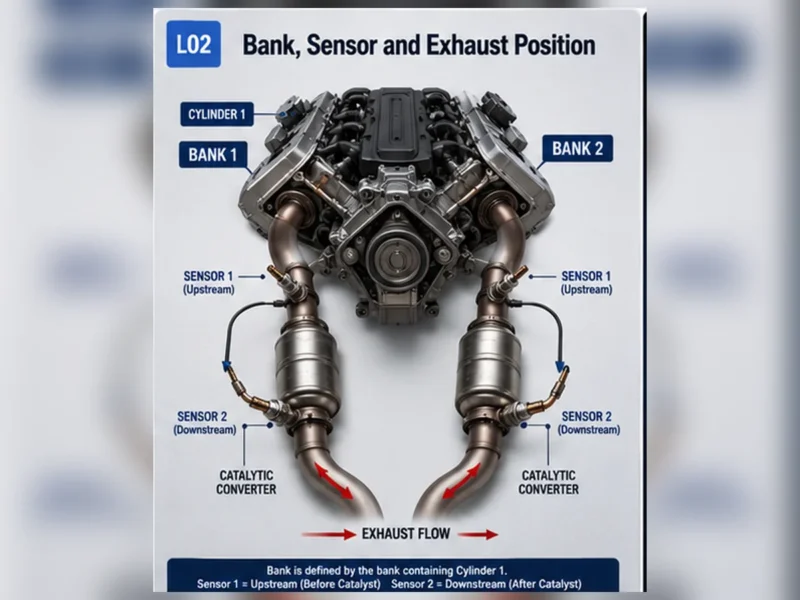
| Application | OE reference, YMME/engine, region/emissions package, bank and sensor position |
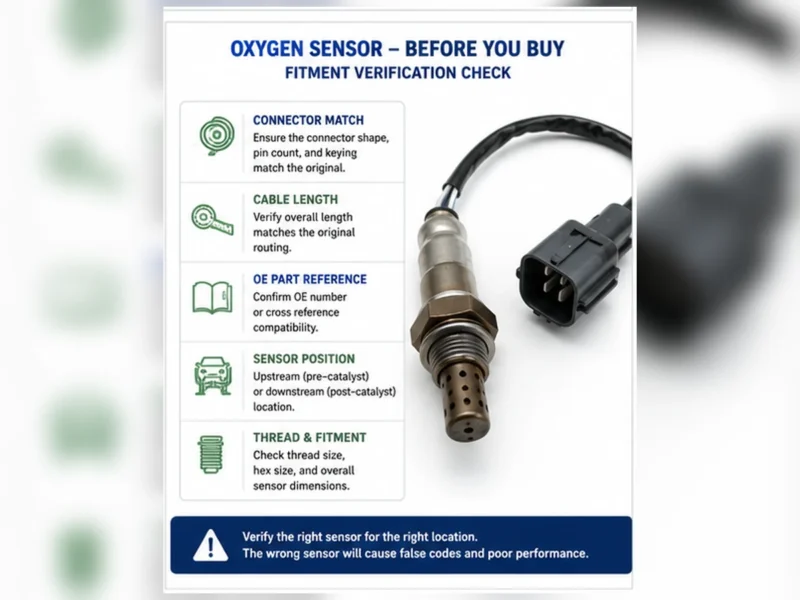
| Product | Technology, electrical requirements, thread, shield, connector, pins, cable and clips |
| Quality | Specification, validation reports, inspection plan, traceability and change control |
| Samples | Part-number list, quantity, approval tests and acceptance criteria |
| Packaging | Label fields, barcode, language, brand ownership, carton and protection requirements |
| Commercial | Forecast, order quantity, Incoterm, destination, target timing and warranty process |
Use samples to test the supply system
Do not approve a sample because it threads into one exhaust bung. Check connector engagement, cable routing, physical clearance, application identity and the defined electrical/response tests. Confirm that the sample label and lot records can be linked to the report. Pilot orders should also test packaging, barcode accuracy and claim handling.
Supplier evaluation questions
- Who owns and updates the OE and application cross-reference?
- Which characteristics are tested on every part and which are sampled?
- How are sensing-element, heater, connector and cable changes controlled?
- Can a shipment be traced to date, line, material and test records?
- How are catalog errors, field returns and corrective actions handled?
- Which claims rely on third-party certificates or customer authorization?
Compare landed risk, not unit price alone
Include tooling or artwork, samples, validation, labeling, freight, duties, inventory carrying cost, catalog maintenance, returns and potential misfit claims. A cheaper part number can be more expensive when application data or change control is weak. Use a scored approval matrix rather than allowing price to override mandatory evidence.
Submitting a sourcing review to Sunhyings
Sunhyings can review the data you submit for feasibility. Provide the OE/part list, application market, annual forecast, sample and validation requirements, packaging files, approval documents and target schedule. This page does not claim availability, approved fitment, MOQ, lead time or certification for any unverified sensor part number; those points require project-specific confirmation.
Define market and catalog scope before price
State sales countries, channels, target vehicle population, launch timing, forecast by part number and whether the supplier must develop application data. “Toyota O2 sensors” or “universal sensors” is not a quotable technical scope. Separate approved part numbers from candidates requiring research.
| Scope field | Required detail | Commercial effect |
|---|---|---|
| Market | Country/region and emissions configurations | Changes application and labeling |
| Channel | Retail, workshop, marketplace or private label | Changes data/support needs |
| Part list | OE references and exact positions | Allows line-by-line quotation |
| Forecast | Volume by part and period | Supports capacity and packaging planning |
| Approval | Samples, tests, documents and timing | Defines launch gate |
Govern application data as a commercial asset
Require source, revision, update owner and conflict process for OE cross-references and YMME/engine/market/position data. Define how supersessions, VIN breakpoints and emissions variants are handled. Catalog errors can create returns even when the physical part conforms.
Data delivery format
Specify fields, identifiers, language, units, update cadence and whether the distributor or supplier owns final publication. Preserve source data and approval history instead of accepting screenshots or an unversioned list.
Catalog correction process
Define intake, investigation, temporary containment, correction, notification and stock review. A wrong-fit claim should capture vehicle, engine, market, exact position, OE reference and photos.
Create one controlled record per sellable part
| Record section | Required content | Why it matters |
|---|---|---|
| Identity | Supplier part, revision and OE candidates | Prevents number ambiguity |
| Application | YMME/engine/market/bank/position | Controls fitment claims |
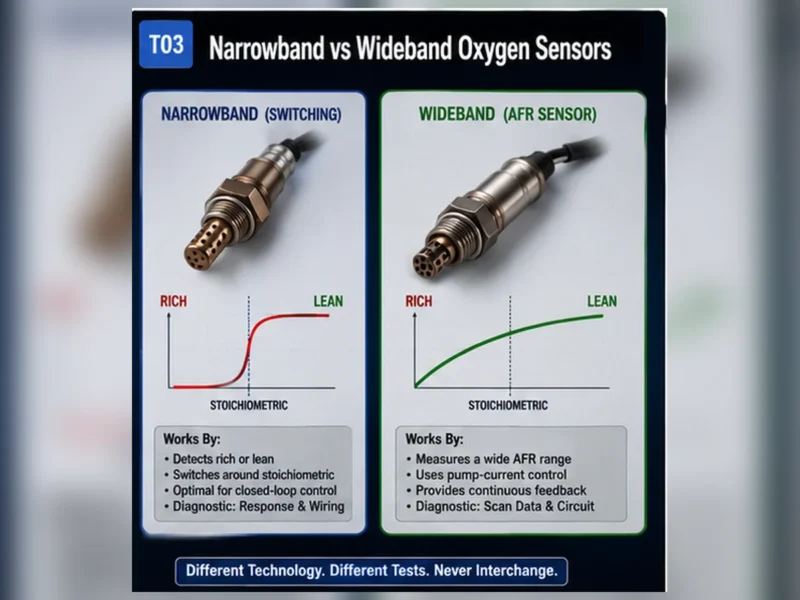
| Technology | Narrowband, wideband/A/F or specified design | Controls circuit compatibility |
| Interface | Thread, shield, connector, pins, lead and clips | Controls installation fit |
| Quality | Specification, validation and production controls | Supports approval and claims |
| Packaging | Label, barcode, language and protection | Supports warehouse/customer accuracy |
Use samples to test product, data and process
Define sample identity
List part number, revision, lot/date, quantity and application position. A mixed box of unlabeled sensors cannot support approval.
Define acceptance criteria before testing
Specify dimensional, connector, cable, electrical/response, packaging and data checks. Vehicle work needs exact engine/emissions/position and a safe manufacturer-aligned method.
Link samples to future production
Confirm which materials, element, heater, connector, cable, process and site will remain the same. Define change notification and revalidation before approval.
| Sample check | Pass evidence | Failure action |
|---|---|---|
| Label/trace | Part, lot and record linkage | Hold approval |
| Fitment identity | Controlled OE/application/position | Resolve data conflict |
| Interface | Drawing and measured connector/lead details | Correct product or drawing |
| Function | Defined method and results | Investigate design/sample |
| Packaging | Approved label/barcode/protection | Correct artwork/process |
Packaging and labeling prevent technical returns
Define brand ownership, part and OE-reference rules, barcode symbology/data, lot/date, quantity, country/language requirements, instructions and protective packaging. Never print an unverified fitment or certification logo. Scan labels in the distributor’s actual receiving and picking workflow.
Trace shipments through claims and recalls
Require lot or date codes linked to product revision, production and inspection records. The distributor should preserve supplier lot through relabeling where possible. Test forward and backward traceability and define response timing for containment.
| Claim evidence | Purpose | Do not accept alone |
|---|---|---|
| Order/package/lot | Identifies supplied product | Loose sensor without identity |
| Vehicle/engine/market/position | Tests catalog claim | Model name only |
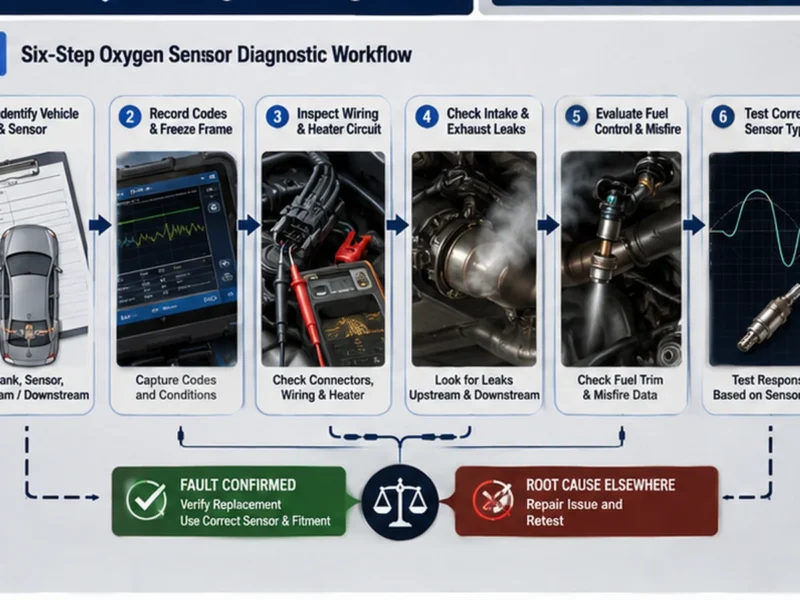
| Codes and diagnosis | Separates product from system fault | Code number as proof |
| Connector/routing photos | Checks interface and installation | Cropped product photo only |
| Supplier analysis | Supports disposition/corrective action | “Pass” without method |
Compare landed risk, not unit price
Include samples, validation, catalog maintenance, artwork, freight, duties, inventory carrying cost, warranty handling, wrong-fit returns and potential repeat repairs. Use mandatory fitment and evidence gates before scoring price, payment, lead time or warranty. This page does not state Sunhyings MOQ, capacity, lead time or stock.
Put change notification into the purchase agreement
Define notification for sensing element, heater, housing, connector, cable, critical materials/processes, site, tests, packaging and application data. State which changes need documents, samples or revalidation and how much notice is required. An approved initial sample cannot control unannounced changes.
Composite scenario: a catalog expansion creates returns
Composite distributor scenario: a supplier expands coverage using connector similarity without documenting engine and position. Returns rise for one emissions variant. The distributor suspends the affected rows, reconciles OE/application evidence and adds revision approval. This is a composite process example, not a Sunhyings customer case.
Final wholesale RFQ checklist
- Sales market, channel and launch timing
- Part/OE list with YMME/engine/emissions/position
- Product specifications and drawings
- Sample plan, validation methods and approval criteria
- Production controls, traceability and change notification
- Packaging, labels, barcodes and language files
- Forecast, order quantity, Incoterm, destination and requested timing
- Warranty, claim evidence and corrective-action expectations
Sunhyings can review submitted project data for sourcing feasibility. Availability, fitment, MOQ, lead time, certification and approval remain unconfirmed until project-specific evidence is reviewed.
Use a controlled launch instead of releasing every SKU at once
Prioritize part numbers with complete application evidence, clear demand and approved samples. Keep uncertain coverage in a blocked status. During pilot orders, measure receiving-label accuracy, picking errors, wrong-fit claims, no-fault-found returns, packaging damage and supplier response time. These are process signals, not invented sales-performance claims.
Inventory and supersession control
Define how old and new revisions are separated, when superseded stock can ship and which catalog/label changes must occur together. A supplier part-number change can require barcode, marketplace and warehouse updates even when the physical application remains approved.
Warranty reserve and claim workflow
Agree who authorizes returns, which evidence is mandatory, how freight and diagnostic costs are handled and when corrective action is required. Keep service targets contractual and project-specific; do not publish unconfirmed warranty or turnaround promises.
Maintain a supplier scorecard tied to evidence
| Area | Measured input | Escalation example |
|---|---|---|
| Data quality | Approved rows, conflicts and correction closure | Suspend affected applications |
| Product conformity | Defined inspection/test nonconformance | Contain lot and investigate |
| Delivery | Confirmed order versus receipt | Capacity/recovery review |
| Claims | Evidence-backed categories and closure | Corrective action or approval review |
| Changes | Notifications against agreement | Revalidation or supply hold |
Define formulas and data ownership before using a scorecard. Do not record missing data as zero defects or perfect delivery. When reliable information is unavailable, mark it DATA NOT AVAILABLE and keep the corresponding decision open.
Prepare a fitment or sourcing request
Send the OE number, year/make/model, engine or VIN details, market and emissions package, exact bank/sensor position, connector and old-part photos, quantity and any packaging or approval requirements. Sunhyings will review the supplied data for capability and sourcing feasibility; fitment is not confirmed until application evidence is matched.
Frequently asked questions
What should an oxygen sensor wholesale RFQ include?
Include OE and application data, exact position, product specification, validation needs, quantities, packaging, destination and approval timing.
How should a distributor verify fitment?
Use controlled OE cross-references and YMME/engine/region/position data, then confirm samples and catalog revisions.
Is a long application list enough?
No. The source, revision, conflict process and link to physical/electrical specifications must be controlled.
What should be traceable by lot?
At minimum, link the shipment to production date or batch, product revision, critical materials/processes, inspection and packaging records.
Does this page confirm Sunhyings inventory or MOQ?
No. Availability, MOQ, lead time, fitment and approval evidence must be confirmed for the submitted project.