








الدليل الفني لحساس الأكسجين
تستخدم معظم المركبات الحديثة عدة حساسات أكسجين، لكن العدد الدقيق يعتمد على عدد مجموعات الأسطوانات، تخطيط نظام العادم، المحولات الحفازة، سنة الطراز وتكوين الانبعاثات.

إجابة سريعة
تحتوي السيارة الحديثة عادةً على اثنين أو أربعة مستشعرات أكسجين، لكن لا يوجد عدد ينطبق على كل مركبة. غالبًا ما يحتوي المحرك ذو البنك الواحد على مستشعر واحد على الأقل قبل المحفز وآخر بعده. أما المحرك V ذو البنكين المراقبين فغالبًا ما يحتوي على مستشعر علوي وسفلي لكل بنك. يمكن للمحفزات الإضافية وأنظمة العادم المنقسمة ومتغيرات الانبعاثات تغيير العدد.
تخطيطات شائعة، دون افتراض توافق دقيق
| تخطيط عام | عدد شائع | سبب التحقق |
|---|---|---|
| بنك واحد، محفز واحد مراقب | غالبًا 2 | بعض الأنظمة القديمة أو الخاصة تستخدم ترتيبًا مختلفًا. |
| بنكان، مسار محفز واحد لكل بنك | غالبًا 4 | يمكن للمحفزات المشتركة أو الإضافية تغيير العدد. |
| تطبيق أقدم قبل OBD-II | قد يستخدم تخطيطًا واحدًا أو آخر | تختلف قواعد سنة الطراز والسوق. |
| نظام عادم معقد متعدد المحفزات | يمكن أن يتجاوز 4 | مطلوب رسومات الخدمة وكتالوجات قائمة على رقم الشاصي. |
عدد أسطوانات المحرك وحده غير كافٍ. يمكن أن تحتوي السيارة ذات الأربع أسطوانات على أكثر من مستشعرين، ولا تحتوي السيارة V6 أو V8 تلقائيًا على أربعة مستشعرات بالضبط. يحدد مسار العادم واستراتيجية المراقبة المواضع المثبتة.
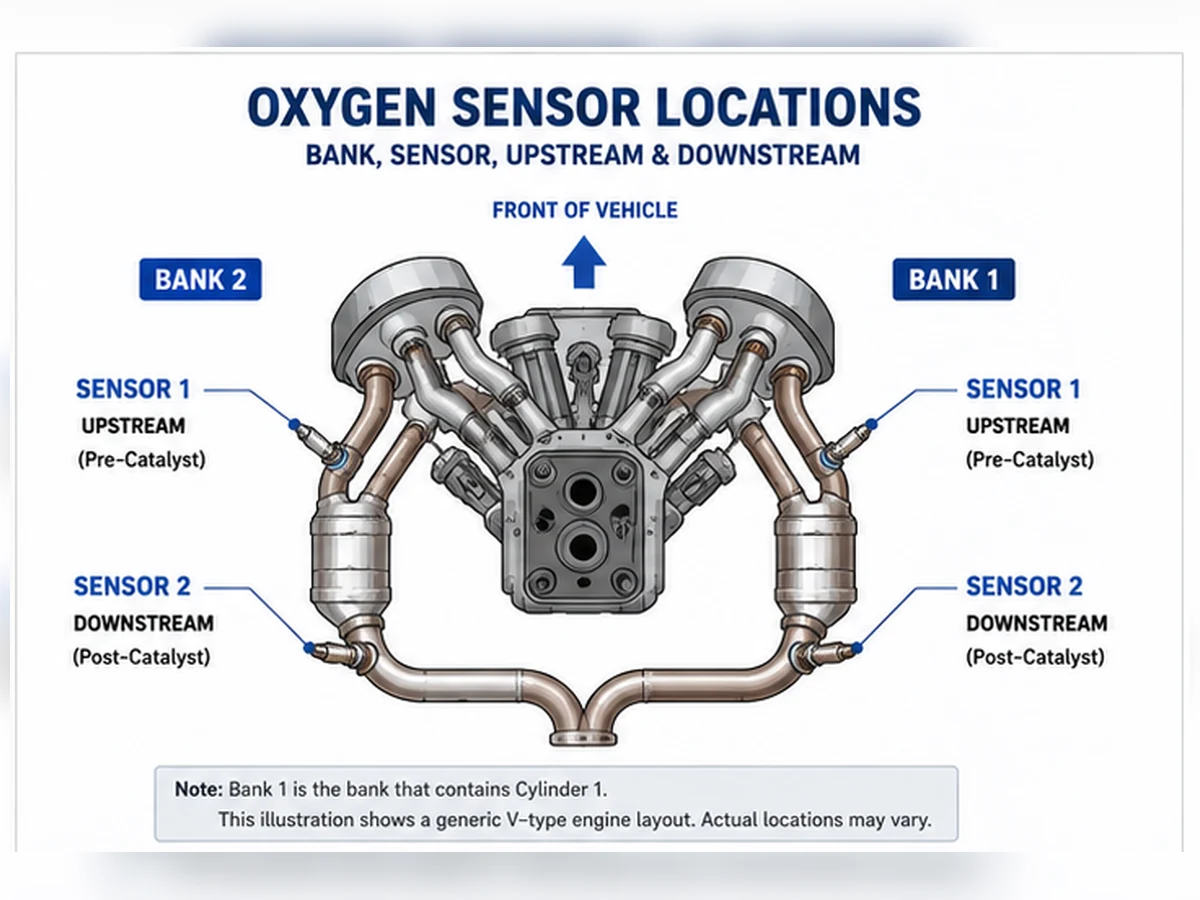
البنك 1، البنك 2، الحساس 1 والحساس 2
البنك 1 هو الجانب الذي يحتوي على الأسطوانة 1؛ البنك 2 هو البنك الآخر في المحركات ذات البنكين. المستشعر 1 يكون عادة قبل المحفز والمستشعر 2 بعده لذلك البنك. اختصارات جانب السائق وجانب الراكب غير موثوقة لأن اتجاه المحرك يختلف.
ثلاث طرق موثوقة للعثور على العدد الدقيق
- استخدم رقم VIN ومعلومات المحرك في معلومات الخدمة الحالية من الشركة المصنعة.
- راجع ملصق الانبعاثات ودليل التطبيقات الذي يميز بين السوق وحزمة الانبعاثات.
- افحص نظام العادم بالكامل فقط عندما تكون المركبة باردة ومرفوعة بأمان، وتتبع كل موصل وموضع مستشعر.
لماذا لا يكشف رمز واحد عن العدد الإجمالي
رمز مثل البنك 1 المستشعر 2 يحدد دائرة مراقبة واحدة، وليس كل مستشعر مثبت في المركبة. قد تعرض أدوات المسح أيضًا معرفات بيانات غير مدعومة. تأكد من مخطط المحرك والعادم قبل الاستنتاج بأن الموضع المعروض موجود فعليًا.
هل يجب استبدال جميع الحساسات معًا؟
ليس تلقائيًا. شخّص العطل المحدد، وافحص دوائر الطاقة أو الأرض المشتركة، واعتبر العمر وسهولة الوصول كعوامل تخطيط فقط. استبدال المستشعرات العاملة يضيف تكلفة وقد يسبب مشاكل في الموصل أو الخيط أو التوجيه دون إصلاح السبب الجذري.
عد مواقع مراقبة العادم، وليس الأسطوانات
عدد المستشعرات يتبع هيكل العادم والمحفز. عدد الأسطوانات يمكن أن يشير إلى ما إذا كان المحرك يحتوي على بنك واحد أو اثنين، لكنه لا يظهر ما إذا كانت البنوك تندمج قبل المحفز، أو ما إذا كان لكل بنك محفزات منفصلة، أو ما إذا كانت محفزات إضافية مراقبة مثبتة. ابدأ بمخطط العادم، وليس بقاعدة مثل “أربع أسطوانات يساوي مستشعرين”.”
| سؤال حول الهيكل | لماذا يتغير العدد | مصدر الإثبات |
|---|---|---|
| كم عدد مجموعات المحرك؟ | قد تحتاج كل مجموعة إلى موضع تغذية راجعة علوية | ترقيم أسطوانات المحرك/بيانات الخدمة |
| أين تتحد مسارات العادم؟ | المسارات المشتركة يمكن أن تغير ترتيب الحساس والمحول الحفاز | مخطط العادم |
| كم عدد المحفزات المراقبة؟ | قد يحتوي كل مسار مراقب على استشعار في اتجاه المصب | معلومات الانبعاثات/الخدمة |
| هل هناك اختلافات إقليمية؟ | قد تختلف الحزم الفيدرالية أو كاليفورنيا أو غيرها | ملصق الانبعاثات ودليل يعتمد على رقم الشاصي |
تخطيطات ذات بنك واحد
موضع واحد في اتجاه المنبع وموضع واحد في اتجاه المصب
المحرك أحادي البنك مع محفز واحد مراقب يحتوي عادةً على حساسين: الحساس 1 قبل المحفز والحساس 2 بعده. هذا نمط شائع، وليس عددًا عالميًا. قد تختلف الأنظمة القديمة، أو المحفزات القريبة بالإضافة إلى المحفزات السفلية، أو التكوينات الخاصة بالسوق.
مراحل محفز إضافية
يمكن أن يحتوي المحرك على أكثر من مرحلة محفز أو مواقع استشعار إضافية. يتطلب التصنيف “حساس 3” أو التسمية الخاصة بالشركة المصنعة الرسم البياني الدقيق. لا تفترض أن كل حساس بعد المحفز الأول قابل للتبديل.
تخطيطات ذات بنكين
مسارات محفز منفصلة
المحرك على شكل V مع حساس واحد قبل المحفز وآخر بعده لكل بنك عادة ما يحتوي على أربعة حساسات. البنك 1 هو الجانب الذي يحتوي على الأسطوانة 1، وليس جانب السائق أو الراكب العام. يجب مطابقة كل دائرة مع موصلها الفعلي.
مسارات عادم مدمجة أو معقدة
يمكن أن تتحد البنوك، أو يمكن مشاركة المحفزات أو مراقبة محفزات إضافية. نتيجة لذلك، قد لا يحتوي محرك V6 أو V8 على أربعة حساسات بالضبط. يتحكم سنة الطراز والمحرك وتكوين الانبعاثات في الإجابة.
| نمط عام | مواقع محتملة | لا تفترض |
|---|---|---|
| بنك واحد / محفز واحد | B1S1 و B1S2 | كل محرك خطي يحتوي على اثنين فقط |
| ضفتان / محفزات منفصلة | B1S1، B1S2، B2S1، B2S2 | كل محرك V يحتوي على أربعة بالضبط |
| مراحل حفاز متعددة | مواضع إضافية يحددها المصنع | تسمية المستشعر 3 متطابقة عبر العلامات التجارية |
| نظام قديم/خاص بالسوق | مواقع أقل أو مختلفة | ينطبق تخطيط OBD الحديث بأثر رجعي |
استخدم بيانات VIN والبناء بشكل صحيح
يساعد رقم VIN في تحديد المركبة والمحرك والتكوين عند فك تشفيره بواسطة بيانات الشركة المصنعة أو الكتالوج الحالي. إنه ليس إجابة قائمة بذاتها لعدد أجهزة الاستشعار. قد يفصل تاريخ الإنتاج أو نقطة تغيير VIN بين أنواع العادم. سجل سوق البيع وملصق الانبعاثات لأن الكتالوج قد يعيد ترتيبًا إقليميًا خاطئًا.
لماذا يمكن أن تضلل قوائم الرموز وأدوات المسح
إشارة تسمية Bank 1 Sensor 2 تثبت أن نظام التحكم يراقب تلك الدائرة المسماة؛ لا يسرد كل جهاز استشعار مثبت. قد تعرض أدوات المسح العامة معرفات PID غير مدعومة أو تسميات لمواقع لا تستخدمها المركبة. تأكد من نشاط البيانات ووثائق الخدمة قبل تحويل القائمة إلى عدد مادي.
| دليل | مفيد لـ | قيد |
|---|---|---|
| وصف رمز التشخيص (DTC) | تحديد مسار دائرة/مراقبة واحدة | لا يحصي جميع أجهزة الاستشعار |
| قائمة معرفات PID من أداة المسح | عرض بيانات التشغيل المدعومة | القائمة العامة قد تتضمن تسميات غير مدعومة |
| كتالوج القطع | إيجاد المرشحين حسب التطبيق | قد يعرض بدائل أو إصدارات أحدث، وليس الكمية |
| مخطط نظام العادم الخدمي | تحديد كل موضع فيزيائي | يجب أن يتطابق مع المحرك والسوق والتصنيع |
الفحص الفعلي دون خلق خطر على السلامة
افحص فقط عندما يكون العادم باردًا والمركبة مدعومة بمعدات معتمدة. تتبع كل جسم حساس إلى موصله ولاحظ ما إذا كان قبل أو بعد المحفز. يمكن لأغطية الحرارة والصواني السفلية والمحفزات القريبة إخفاء المواضع. لا تزحف تحت مركبة مدعومة فقط برافعة، ولا تسحب الأسلاك ولا تخلط بين حساسات درجة حرارة العادم وحساسات الأكسجين.
العدد غير كافٍ لطلب القطع
حتى عندما تحتوي المركبة على أربعة حساسات، قد لا تكون الأجزاء الأربعة متطابقة. يمكن للمواضع العلوية استخدام تصاميم عريضة النطاق/نسبة الهواء إلى الوقود بينما تستخدم المواضع السفلية تصاميم ضيقة النطاق؛ قد تختلف أسلاك أو موصلات البنك 1 والبنك 2. تحقق من المرجع الأصلي والموضع الدقيق والتقنية والموصل والكابل لكل بديل.
سيناريو مركب: نتيجة الكتالوج تُعتبر كمية خطأ
سيناريو الأجزاء المركبة: يعرض الكتالوج ثلاثة خيارات لأرقام القطع لنموذج واحد. يفترض المشتري أن المركبة تحتوي على ثلاثة حساسات. يُظهر مخطط الخدمة أربعة مواضع فيزيائية، مع استخدام رقم قطعة واحد في موضعين وأرقام مختلفة للمواضع الأخرى. يوضح هذا المثال المركب سبب كون عدد نتائج الكتالوج والكمية المركبة سؤالين منفصلين.
إنشاء جرد للمواقع
| حقل التسجيل | مثال على التنسيق | الغرض |
|---|---|---|
| الموضع | البنك 1 الحساس 1 | يفصل الدوائر الفيزيائية |
| علاقة المحفز | قبل المحفز | يؤكد الدور في المنبع/المصب |
| رقم OE | قيمة الكتالوج المقروءة أو المؤكدة | اختيار جزء المراسي |
| موصل/سلك | صورة، دبابيس، طول ومشابك | يمنع عدم تطابق الواجهة |
| حالة التشخيص | مختبر / غير مختبر | يتجنب استبدال جميع الحساسات بالعدد فقط |
استبدل فقط الموضع المدعوم بالتشخيص ما لم يبرر إجراء المركبة أو خطة إصلاح موثقة المزيد من العمل. يمكن أن يساعد العمر والوصول المشترك في التخطيط، لكنهما لا يثبتان فشل كل حساس.
التحقق من المخزون بعد الإصلاح
عند استبدال حساس، قم بتحديث مخزون الموضع برقم القطعة المثبتة، ورمز الدفعة أو التاريخ، وصور الموصل/التوجيه، ونتيجة التشخيص. تأكد من أن كل موصل محتفظ به مقفل وأن كل كابل يظل بعيدًا عن الأجزاء الساخنة أو المتحركة. العمل بالقرب من حساس واحد قد يزعج مجموعة الأسلاك المجاورة، خاصةً عندما تشترك موصلات البنك في مشابك أو درع حراري.
استخدم بيانات المسح لتأكيد الموضع الفعلي الذي تم إصلاحه، وليس لإعادة إحصاء النظام من البداية. راقب الدائرة المسماة تحت ظروف صالحة وأكمل إجراء المراقبة المناسب. إذا ظهر رمز خطأ لموضع مختلف لاحقًا، فقم بتشخيصه بشكل مستقل بدلاً من استنتاج أنه كان يجب استبدال جميع الحساسات معًا.
الكمية لطلبات الموزعين
الكمية المثبتة لكل مركبة وكمية الشراء هما حقلان مختلفان. يجب أن يأخذ توقع الموزع في الاعتبار عدد التطبيقات، والطلب حسب الموضع، والمرتجعات، والتغليف، وليس ضرب حساس عام واحد في العدد. اعتمد تغطية كل رقم قطعة وموضعه قبل بناء مجموعة أو عرض مزدوج.
يجب أن تسرد أوصاف المجموعة كل موضع ورقم قطعة مضمنين، وتذكر المحرك والسوق ونطاق الانبعاثات. “مجموعة كاملة من أربعة حساسات” غير آمنة عندما لم يتم تأكيد العدد أو قابلية التبادل. حساس ناقص أو زائد في المجموعة هو مشكلة في التحكم في الكتالوج، وليس حلاً بديلاً للتركيب.
لا يوجد عدد حساسات عالمي حسب عدد الأسطوانات
يمكن أن يحتوي محرك رباعي الأسطوانات على حساسين في ترتيب محفز واحد بسيط، ولكن مراحل المحفز الإضافية أو أنظمة الانبعاثات الخاصة بالسوق يمكن أن تغير العدد. يمكن أن يحتوي المحرك V على حساسات منبع ومصب منفصلة لكل بنك، ولكن العادم المدمج أو بنية المراقبة المختلفة يمكن أن تغير هذا النمط. عدد الأسطوانات هو دليل توجيهي، وليس كمية شراء.
| وصف المركبة | افتراض شائع | لماذا لا يزال التحقق مطلوبًا |
|---|---|---|
| أربع أسطوانات في خط مستقيم | واحد في المنبع وواحد في المصب | قد يحتوي على محفز قريب بالإضافة إلى محفز تحت الأرضية أو حساس إضافي |
| V6/V8 مع مجموعتين من الأسطوانات | أربعة حساسات | يمكن أن تتحد مسارات العادم؛ تختلف مراحل المحفز والمتغيرات حسب السوق |
| محرك مزود بشاحن توربيني | مستشعران بالقرب من التوربو/المحفز | تختلف التعبئة والتغليف والتغذية الراجعة عريضة النطاق وتخطيط المعالجة اللاحقة |
| مركبة هجينة | نفس العدد كما في المحرك غير الهجين | قد تختلف عائلة المحرك والمعايرة ونظام العادم |
| نفس الموديل/السنة | عدد واحد لجميع الفئات | قد يختلف المحرك ونظام الدفع وسوق الانبعاثات ونقطة التوقف في التصنيع |
طريقة من ست خطوات لتحديد العدد الفعلي
- تحديد المركبة بدقة. تسجيل رقم الشاصي (VIN)، السنة، الصانع، الموديل، المحرك وسوق البيع/الانبعاثات.
- ابحث عن تخطيط مجموعة المحرك. حدد ما إذا كانت هناك مجموعة واحدة أو مجموعات متعددة وحدد موقع الأسطوانة 1.
- تتبع كل مسار عادم. حدد مجمعات التوزيع ونقاط الدمج ومراحل المحفز ومسارات المخرج.
- حدد موقع كل مستشعر. استخدم مخطط موقع المكونات وقائمة موصلات الأسلاك، وليس الرؤية وحدها.
- طابق بيانات المسح/الكتالوج. طابق تسميات المجموعة/المستشعر وسجلات المعدات الأصلية/التطبيق مع المواقع الفعلية.
- احسب المواضع الموثقة فقط. سجل التقنية وهوية القطعة لكل منها؛ لا تفترض أن SKU واحد يناسب الجميع.
| المصدر | ما يؤكده | قيد |
|---|---|---|
| رسم تخطيطي لمكونات خدمة OEM | المواضع الفعلية وعلاقات العادم | يجب أن يتطابق مع المحرك/السوق بدقة |
| رسم تخطيطي للأسلاك | دوائر الحساسات والموصلات والإمدادات المشتركة | قد يتطلب عرض موقع منفصل |
| كتالوج القطع | تعيينات المركبات الأصلية/التطبيقات المحتملة | قد يحتوي على استبدالات أو تعارضات في البيانات |
| ملصق VIN/التصنيع/الانبعاثات | تكوين المركبة | لا يحدد بمفرده تخطيط العادم |
| الفحص الفعلي | الفتحات والحساسات والمسارات والإصلاحات السابقة المثبتة | قد يكون النظام المثبت قد تم تعديله أو إصلاحه بشكل غير صحيح |
| مسح البيانات/قائمة رموز الأعطال التشخيصية | قنوات البنك/الحساس المعترف بها من قبل وحدة التحكم | قد لا يزال الحساس بدون رمز موجودًا؛ تحتاج الملصقات إلى تعيين فعلي |
عد الحساسات حسب مسار العادم المراقب
| تخطيط عام | الأدوار المحتملة للحساس | تنبيه العد |
|---|---|---|
| بنك واحد، محفز واحد | الحساس 1 قبل المحفز والحساس 2 بعد المحفز | تأكيد عدم وجود مرحلة لاحقة إضافية |
| مجموعتان، محفزان | B1S1/B1S2 و B2S1/B2S2 | لا تقم بتعيين جوانب دون ترقيم الأسطوانات |
| مجموعتان تندمجان قبل محفز واحد | قبل المجموعة خاص بالإضافة إلى بعد مشترك | عدد المجموعات لا يساوي عدد المحفزات اللاحقة |
| محفزات قريبة من المحرك وتحت الهيكل | حساس قبل/بين/بعد المراحل | قد يظهر حساس 3 أو تسمية خاصة بالشركة المصنعة |
| عادم مزدوج بعد مسار المحرك المشترك | تعتمد المراقبة على بنية المحفز | عدد العوادم لا يحدد عدد الحساسات |
| عادم معدل | قد يختلف العدد المركب عن النظام المصمم | استعادة التكوين القانوني؛ لا تقم بتطبيع الحذف/الفواصل |
أسماء البنك والحساس هي معرفات وليست صيغة عد
البنك 1 يحتوي على الأسطوانة 1. المستشعر 1 يكون عادة قبل المحفز المراقب؛ المستشعر 2 يكون عادة بعده. قد تُسمى المستشعرات الإضافية بالمستشعر 3 أو بمصطلحات خاصة بالشركة المصنعة. قائمة تحتوي على B1S1 و B1S2 لا تثبت وجود بنك 2، والمحرك على شكل V لا يثبت أن كلا البنكين يستخدمان مستشعرات منفصلة بعد المحفز.
| المُعرِّف | المعنى النموذجي | السؤال ما زال مفتوحًا |
|---|---|---|
| B1S1 | حساس ما قبل المحفز على الأسطوانة 1 البنك | التقنية والموصل والمسار الفيزيائي الدقيق |
| B1S2 | حساس ما بعد المحفز على مسار البنك 1 | أي مرحلة محفز وهوية الجزء |
| B2S1 | حساس ما قبل المحفز على البنك المقابل | الجانب الفيزيائي وقابلية التبادل مع B1S1 |
| B2S2 | حساس ما بعد المحفز في المسار البنك 2 | ما إذا كان العادم يبقى منفصلاً حسب البنك |
| الحساس 3 | موضع إضافي سفلي/وسيط | التصميم الدقيق للشركة المصنعة والدور |
أكثر من حساس لا يعني أكثر من قطعة متطابقة واحدة
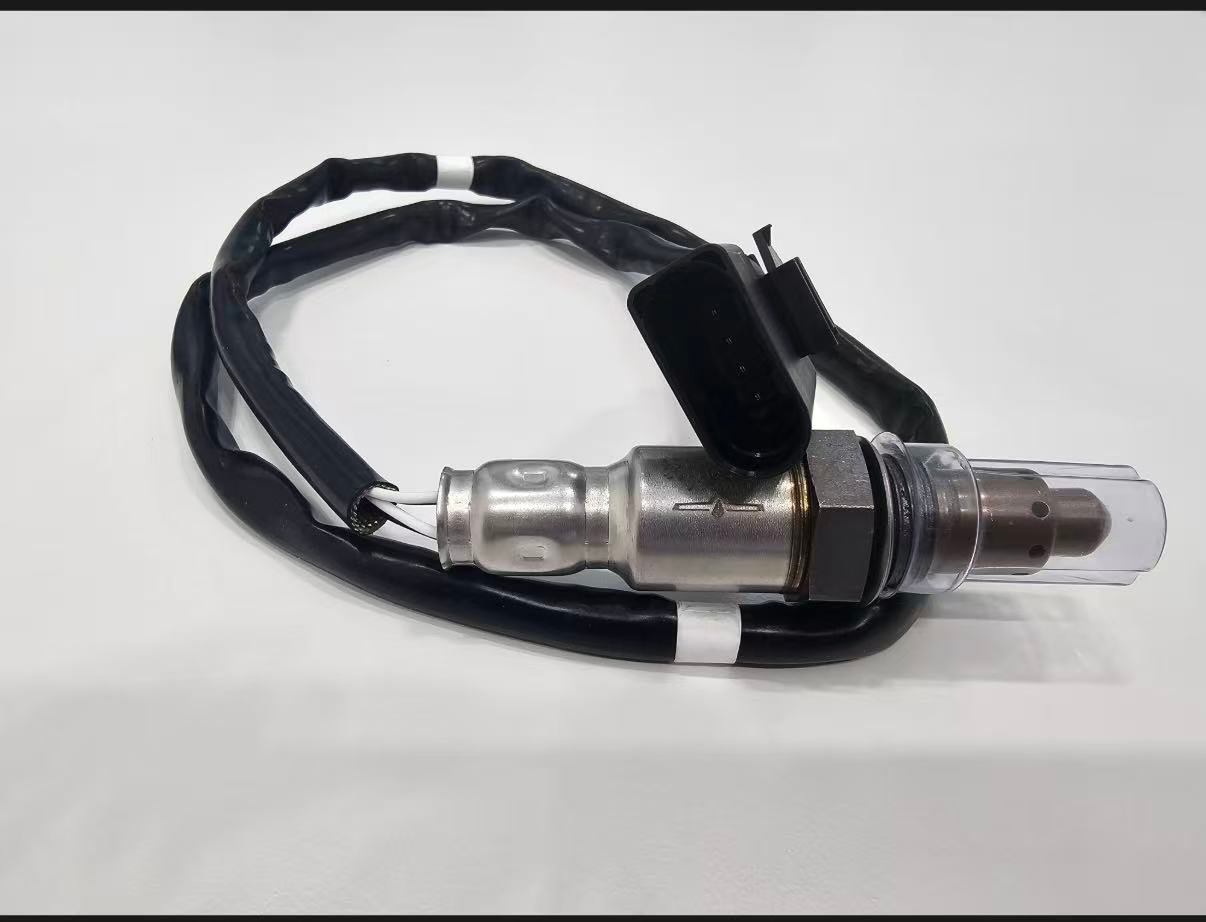
قد تستخدم المواضع العلوية تقنية عريضة النطاق/نسبة الهواء إلى الوقود بينما تستخدم المواضع السفلية تقنية ضيقة النطاق. يمكن أن تختلف أجزاء البنك 1 والبنك 2 في طول السلك أو ترميز الموصل أو المشابك حتى عندما تكون استراتيجية الاستشعار متشابهة. لذلك، قد تتطلب مركبة ذات أربعة حساسات عدة أرقام قطع. تحقق من كل موضع على حدة.
| المقارنة | دليل مطلوب للتبادل |
|---|---|
| تقنية/كهربائية | نفس استراتيجية الاستشعار المحددة، والسخان، والدائرة |
| موضع التطبيق | الكتالوج الحالي يوافق صراحة على كلا الوضعين |
| موصل/دبابيس | التشفير، والأطراف، وتخصيص الدبابيس متطابقة |
| سلك/مسار | الطول، والعزل، والمشابك، ومخفف الشد يناسب كلا المسارين |
| الخيط/الدرع | الهندسة الميكانيكية وهندسة التعرض مطابقة للمواصفات |
| التحقق | تغطية الأدلة على مستوى القطعة للمواضع المطبقة المزعومة |
لماذا يهم العدد أثناء التشخيص
رمز تسمية البنك 2 الحساس 1 مفيد فقط إذا تم تعيين التخطيط الفعلي والموصل بشكل صحيح. يمكن أن تؤثر مصادر الطاقة المشتركة للسخان على حساسات متعددة. الموصلات المتقاطعة بعد الإصلاح يمكن أن تجعل بيانات الفحص تبدو وكأنها تنتمي إلى البنك الخطأ. عدّ وتعيين النظام الكامل يمنع الفني من اختبار أول حساس مرئي.
| نمط التشخيص | سؤال العد/التعيين | الفحص التالي |
|---|---|---|
| رمزا سخان | هل تشارك الحساسات في الطاقة أو المصهر أو الأرضي/التحكم؟ | اختبار الدائرة المشتركة المحملة |
| استجابة البنك المقابل | هل الوصلات متقاطعة أم أن التسميات غير مطابقة؟ | مطابقة الأسلاك/المواقع |
| P0420/P0430 | أي أجهزة استشعار تراقب مسار المحفز المحدد؟ | تشخيص كامل للمحرك/العادم/المحفز |
| معلمة فحص واحدة مفقودة | هل جهاز الاستشعار/القناة مدعوم ومفعّل؟ | بيانات الخدمة وقدرة الأداة |
| إرجاع متكرر لقطعة خاطئة | هل تم استخدام الكمية بدلاً من هوية الموضع؟ | تدقيق صفوف التطبيق وحقول الطلب |
حالة مركبة: محرك ثنائي البنك يحتوي على ثلاثة حساسات
سيناريو تشخيصي مركب: يتوقع فني أربعة حساسات لأن المحرك يحتوي على مصرفين. يُظهر مخطط العادم الدقيق حساسين خاصين بكل مصرف في المنبع وحساس واحد في المصب بعد التقاء العادم. تم تغيير الترتيب من B2S2 المُخمَّن إلى الموضع المؤكد المشترك بعد المحفز.
هذا نمط مركب عام، وليس قاعدة عالمية لثلاثة حساسات وليس حالة عميل لشركة Sunhyings.
حالة القطع المركبة: كتالوج مستوى الموديل يفتقد حساسًا إضافيًا
سيناريو الأجزاء المركبة: يبحث بحث حسب الطراز/السنة عن حساسين، لكن تكوين انبعاثات المركبة يستخدم حساسًا إضافيًا في مرحلة المحفز. تكشف بيانات VIN/البناء وبيانات الخدمة عن الموضع الإضافي وموصلًا مختلفًا. يقوم الفريق بتقسيم صف التطبيق بدلاً من شحن “طقم” من حساسين.”
توضح الحالة أن البحث حسب الطراز/السنة وعدد الأسطوانات لا يمكنه التحكم في الكمية. إنها مركبة ولا تحتوي على ادعاء مؤكد بالطراز/الموديل.
سجل الشراء عند الحاجة لأكثر من حساس واحد
| الموضع | سجل بشكل منفصل |
|---|---|
| تطبيق المركبة | VIN/YMME، المحرك، السوق/الانبعاثات ونقطة توقف التصنيع |
| الموقع | البنك، رقم الحساس والموضع النسبي للكاتاليزر |
| هوية القطعة | مرشح مورد، جزء المورد والمراجعة |
| التقنية | ضيق النطاق، تيتانيا أو عريض النطاق/أ/إف بالإضافة إلى المتطلبات الكهربائية |
| الواجهة | موصل، دبابيس، سلك، مشابك، خيط ودرع |
| السبب | دليل تشخيصي لاستبدال هذا الموضع |
لا تستبدل كل حساس لمجرد وجود كود واحد أو فشل حساس واحد. شخّص واعتمد كل موضع. يمكن لشركة Sunhyings مراجعة قائمة قطع موضعًا بموضع لجدوى التوريد؛ التركيب الدقيق والتوفر والشروط التجارية تتطلب تأكيدًا.
لا تقلل العدد أبدًا بتعطيل النظام
الحساس المفقود أو المحاكي أو الفاصل أو الحذف أو المراقب المثبط برمجيًا لا يثبت العدد التصميمي الصحيح. استخدم معلومات الخدمة لاستعادة التكوين القانوني. “الاستخدام خارج الطرق” ليس إعفاءً عامًا، وتعليمات التجاوز خارج نطاق التشخيص المسؤول والمشتريات.
قائمة الفحص المادي لتأكيد العدد
افحص فقط عندما يكون العادم باردًا والمركبة مدعومة عند نقاط معتمدة عند الحاجة للوصول أسفل الهيكل. استخدم إضاءة وكاميرا أو مرآة بدلاً من وضع اليدين بالقرب من سطح ساخن غير مؤكد. احسب أجسام الحساسات والفتحات الملحومة، ثم تتبع كل سلك إلى موصله حتى لا يُساء تحديد فتحة غير مستخدمة أو حساس حرارة أو جهاز عادم آخر.
| نقطة الفحص | ما يجب التقاطه | لماذا |
|---|---|---|
| مخارج مجمع التوزيع | كل مسار/خط ومستشعر ما قبل المحفز | يحدد العدد في المنبع |
| مراحل المحفز | علاقة المدخل/المخرج والمستشعر | يفصل المستشعر 2 عن المواضع الإضافية |
| نقاط الدمج/التقسيم | حيث يصبح العادم الخاص بالمسار مشتركًا | يشرح عدد المنافذ المشتركة النهائية |
| الموصلات والمشابك | وجهة الرصاص وهوية الفرع | يؤكد التطابق الفيزيائي-الكهربائي |
| السدادات غير المستخدمة/التعديلات | الأغطية، اللحامات، الفواصل أو الأجهزة المفقودة | قد يشير إلى تغيير سابق في نظام العادم |
| الملصقات/علامات الأجزاء | رقم قابل للقراءة مع سياق الموضع | يدعم هوية جزء منفصلة |
لا تفترض أن كل جهاز عادم ملولب هو حساس أكسجين. يمكن أن تكون حساسات درجة حرارة العادم وأكسيد النيتروجين ذات وظائف ودوائر مختلفة. تحقق من هوية المكون من معلومات الخدمة وبيانات الموصلات والأسلاك.
لماذا تحتاج “مجموعات الحساسات الكاملة” إلى دليل موضع بموضع
يمكن أن تكون عدة مُعلن عنها لمركبة ملائمة فقط عندما تسرد كل جزء مشمول، والموضع الدقيق، وتغطية التطبيق المتحكم بها. الكمية اثنان أو أربعة ليست مواصفة فنية. حساس واحد غير صحيح في عدة يمكن أن يسبب موصلًا قسريًا، أو مسار سلك خاطئ، أو استبدالًا غير ضروري حتى لو كانت الأجزاء الأخرى مناسبة.
| حقل العدة | المحتوى المطلوب | حالة الرفض أو الاحتفاظ |
|---|---|---|
| التطبيق | YMME، المحرك، السوق/الانبعاثات ونقطة الفصل | الطراز/السنة فقط |
| خريطة الموضع | كل علاقة بين البنك/الحساس والمحفز | “مجموعة أمامية وخلفية” دون تفاصيل البنك |
| قائمة القطع | رمز SKU/مراجعة فريد لكل موضع | حساسات غير مصنفة |
| التقنية | بيانات نطاق ضيق/واسع/تيتانيا خاصة بالقطعة | جميع الحساسات تُعامل كنوع واحد |
| الواجهة | الموصل والسلك والمشابك والخيط والدرع حسب الموضع | يُتوقع من المثبت التكيف |
| سبب الاستبدال | أساس التشخيص لكل موضع تم تغييره | استبدال الكل لمجرد وجود كود واحد |
حدد عدد الحساسات المطلوب استبدالها، وليس فقط عدد الموجود منها
قد تحتوي المركبة على عدة حساسات بينما الأدلة تدعم استبدال واحد فقط. استبدل الحساسات الإضافية فقط عندما تبرر حالتها الخاصة أو استراتيجية الوصول إليها أو توصية خدمة موثقة ذلك. لا تدّعِ أن جميع الحساسات لها نفس العمر الافتراضي أو يجب تغييرها كمجموعة. عندما يؤثر الوصول المشترك على العمل، اذكر المفاضلة دون تحويل الراحة إلى تشخيص.
| القرار | دليل | الحدود |
|---|---|---|
| استبدال حساس واحد محدد | فشل خاص بالموقع وملاءمة دقيقة | تحقق من الدوائر المشتركة/الأسباب الجذرية الأخرى |
| استبدال حساسات متعددة | أعطال مستقلة أو نطاق إصلاح مدعوم | لا توجد قاعدة عالمية للاستبدال الثنائي |
| إصلاح مجموعة الأسلاك/الإمداد المشترك | عطل الدائرة المشتركة يؤثر على عدة حساسات | الحساسات الجديدة لا يمكنها إصلاح طاقة/تحكم المركبة |
| تصحيح حالة المحرك/العادم | الحساسات تُبلغ عن حالة مشتركة حقيقية | لا تستبدل الحساسات المستجيبة |
| متابعة التشخيص | تتعارض الأدلة المتعلقة بالعدد/الموضع أو الاختبار | لا تطلب لاختبار الفرضية |
التحكم في الأسطول والموزع للمركبات ذات المواضع المتعددة
خزّن صفًا واحدًا لكل تكوين مركبة وموضع حساس وقطعة معتمدة. حافظ على تاريخ المصدر والمراجعة والاستبدال. بنية كتالوج تخزّن فقط المركبة والكمية لا يمكنها تمييز بنك أو سلك أو تقنية خاطئة ولا يمكنها تفسير أي صف تسبب في إرجاع.
| حقل بيانات | الغرض |
|---|---|
| مفتاح المركبة/التكوين | يفصل بين المحرك وسوق الانبعاثات ونقطة الفصل |
| مفتاح الموضع | يحدد البنك/الحساس ومرحلة المحفز |
| القطعة المعتمدة/المراجعة | يمنع الاستبدال على مستوى العائلة |
| المصدر/المراجعة | يدعم عمليات التدقيق والتصحيحات |
| الواجهة/التقنية | يتحقق من الاتساق الفيزيائي والكهربائي |
| الحالة | معتمد، محظور، مستبدل أو قيد المراجعة |
عندما يؤدي تصحيح التطبيق إلى تغيير العدد، راجع المحتوى المنشور والطلبات المفتوحة والملصقات والمجموعات والمخزون معًا. إصلاح قائمة الويب فقط يترك أخطاء المستودع وخدمة العملاء نشطة.
تحليل الإرجاع عند خطأ العدد أو المجموعة المطالب بها
- الحفاظ على الترتيب ومراجعة الكتالوج والملصقات والجزء والدفعة/التاريخ.
- التقاط بيانات VIN/YMME الدقيقة وتكوين المحرك والانبعاثات.
- تقديم صور لتخطيط نظام العادم ومسار الموصلات.
- تحديد المواضع التي تم تركيبها أو تعارضت أو لم تكن موجودة.
- فصل الأسباب المتعلقة بالكتالوج والتعبئة والالتقاط والمنتج وتعديلات المركبة.
- حظر الصفوف المتأثرة حتى يتم حل تعارض الأدلة.
لا ينبغي للموزع إغلاق الحالة بالاسترداد فقط. صحح بيانات المصدر وراجع ما إذا كان العملاء أو المخزون الآخرون متأثرين. لا ينبغي للمشتري تعديل مجموعة الأسلاك أو تركيب فاصل لاستيعاب مجموعة غير صحيحة لأن ذلك يدمر الأدلة وقد يضر بالامتثال للانبعاثات.
عند اختلاف المصادر حول عدد الحساسات
ضع التطبيق في حالة محظورة وحدد التكوين الدقيق الذي يغطيه كل مصدر. تحقق من بيانات VIN/البناء ورمز المحرك وملصق الانبعاثات وتخطيط المحول الحفاز ومراجعة مستندات الخدمة وسجل النظام المثبت. يمكن أن يكشف العد الفعلي عما هو موجود، لكنه قد يعكس عادمًا معدلاً أو غير صحيح سابقًا؛ يظل التكوين القانوني المصمم هو الهدف.
| تعارض | أدلة الحل |
|---|---|
| الكتالوج يذكر اثنين بينما مخطط الخدمة يظهر ثلاثة | تأكد من قابلية التطبيق للمحرك/الانبعاثات ومراجعة الكتالوج |
| المركبة تحتوي على عدد أقل من التصميم | افحص سجل التعديلات واستعد التكوين المطابق |
| المخططان يستخدمان أرقام حساسات مختلفة | استخدم العلاقة الدقيقة بين الوثيقة/المعايرة والمحول الحفاز |
| أداة الفحص تعرض قناة بدون حساس مرئي | تحقق من دعم الأداة والموقع المخفي ومخطط الأسلاك |
| تختلف الكمية بين قطع الغيار الأصلية وقطع ما بعد البيع | راجع الاستبدال وتكوين الطقم وكل صف من المواضع |
سجّل العدد النهائي والمصدر والتاريخ. لا تنشر الرقم كقيمة عامة لطراز عائلي. الإجابة الصحيحة تعود إلى التكوين الدقيق للمركبة/المحرك/الانبعاثات وتصميم نظام العادم.
العدد والموضع ورقم القطعة حقول منفصلة
الرقم يوضح عدد الأجهزة الموجودة؛ الموضع يوضح مكان عمل كل جهاز؛ رقم القطعة يوضح ما يناسب ذلك الموضع. احتفظ بالثلاثة في سجل الإصلاح والشراء. تحويل حقل إلى آخر هو المصدر الرئيسي للإجابات المبسطة بشكل مفرط.
إذا كان العدد مطلوبًا فقط لشراء قطعة بديلة واحدة، فلا تطلب الكمية الكاملة. حدد الموضع المحدد وشخّصه، ثم اختر القطعة الموثقة له. العدد يدعم فهم النظام؛ وليس توصية استبدال شاملة.
قم بإعداد طلب تركيب أو توريد
أرسل رقم OE، السنة/الماركة/الموديل، المحرك أو تفاصيل VIN، السوق وحزمة الانبعاثات، موضع البنك/الحساس بالضبط، صور الموصل والقطعة القديمة، الكمية وأي متطلبات تغليف أو موافقة. ستراجع Sunhyings البيانات المقدمة من حيث القدرة وجدوى التوريد؛ لا يتم تأكيد التركيب حتى يتم مطابقة دليل التطبيق.
الأسئلة المتكررة
هل تحتوي جميع السيارات على حساسين للأكسجين؟
رقم 2 شائع في نظام أحادي البنك مع محفز واحد مراقب، لكن تخطيطات المركبات تختلف.
هل يحتوي محرك V6 دائمًا على أربعة حساسات أكسجين؟
رقم أربعة شائع لأنظمة البنكين، لكن المتغيرات المشتركة أو الإضافية للمحفزات والانبعاثات يمكن أن تغير العدد.
هل يمكن لرقم الشاصي (VIN) أن يخبرني بعدد الحساسات المثبتة؟
يساعد رقم تعريف المركبة (VIN) في التعرف على المحرك والتكوين عند استخدامه مع بيانات الخدمة أو الكتالوج الحالية؛ يجب فك تشفير سلسلة VIN وحدها بشكل صحيح.
هل البنك 1 دائمًا جانب السائق؟
البنك رقم 1 هو البنك الذي يحتوي على الأسطوانة 1، ويختلف جانبه الفعلي حسب المحرك والتركيب.
هل يجب استبدال كل جهاز استشعار إذا تعطل أحدها؟
ليس افتراضيًا. قم بتشخيص الدائرة المتأثرة واستبدال الأجزاء المدعومة فقط بالأدلة وإرشادات الخدمة.