








الدليل الفني لحساس الأكسجين
يمكن أن يساهم مستشعر الأكسجين المتحيز أو البطيء في ضعف الاقتصاد في استهلاك الوقود، ولكن تغيرات المسافة المقطوعة تتطلب تشخيص تصحيحات الوقود ودرجة الحرارة وتدفق الهواء والتسريبات وظروف القيادة.

إجابة سريعة
نعم. يمكن لحساس الأكسجين العلوي البطيء أو المتحيز أن يتسبب في تطبيق وحدة التحكم في المحرك لتصحيح وقود غير صحيح، مما قد يقلل من استهلاك الوقود. لكن ضعف الاقتصاد في استهلاك الوقود وحده لا يثبت فشل الحساس. نمط القيادة، ضغط الإطارات، تشغيل منظم الحرارة، قياس تدفق الهواء، ضغط الوقود، الحاقنات، الإشعال، تسربات العادم والتكيفات المخزنة يمكن أن تنتج نفس الشكوى.
كيف يمكن لمستشعر الأكسجين أن يؤثر على استهلاك الوقود
عندما يكون المحرك دافئًا ويعمل في حلقة مغلقة، تساعد تغذية حساس الأكسجين العلوي وحدة التحكم في تقييم الخليط. إذا كانت الإشارة متحيزة نحو الفقر، قد تضيف الوحدة وقودًا. إذا كانت بطيئة أو متحيزة نحو الغنى، يمكن أن يصبح التصحيح غير مناسب أيضًا. قد تستخدم استراتيجية السيارة قيمًا احتياطية عند اكتشاف عطل في الدائرة، لذا يختلف التأثير حسب التطبيق وظروف التشغيل.
لماذا لا يعتبر انخفاض المسافة المقطوعة دليلاً
| فحص | كيف يمكنه محاكاة مشكلة حساس الأكسجين |
|---|---|
| نمط الرحلة والطقس | الرحلات القصيرة، التباطؤ، الحمولة ودرجة الحرارة المنخفضة تقلل من الاقتصاد المقاس. |
| الإطارات والمحاذاة | الضغط المنخفض أو مقاومة التدحرج تزيد من استهلاك الوقود. |
| بيانات الثرموستات / سائل التبريد | المحرك الذي يبقى باردًا قد يبقى في وضع التخصيب لفترة أطول. |
| تسربات في مجمع السحب وMAP/MAF | حساب غير صحيح للهواء يغير تعديل الوقود وقراءات الحساس. |
| ضغط الوقود أو الحاقنات | أعطال التوصيل يمكن أن تسبب تشغيل غني أو فقير. |
| حالة الإشعال أو الميكانيكية | الاختلال في الاحتراق وانخفاض الكفاءة يهدران الوقود ويؤثران على الأكسجين في العادم. |
استخدم الأدلة المقاسة
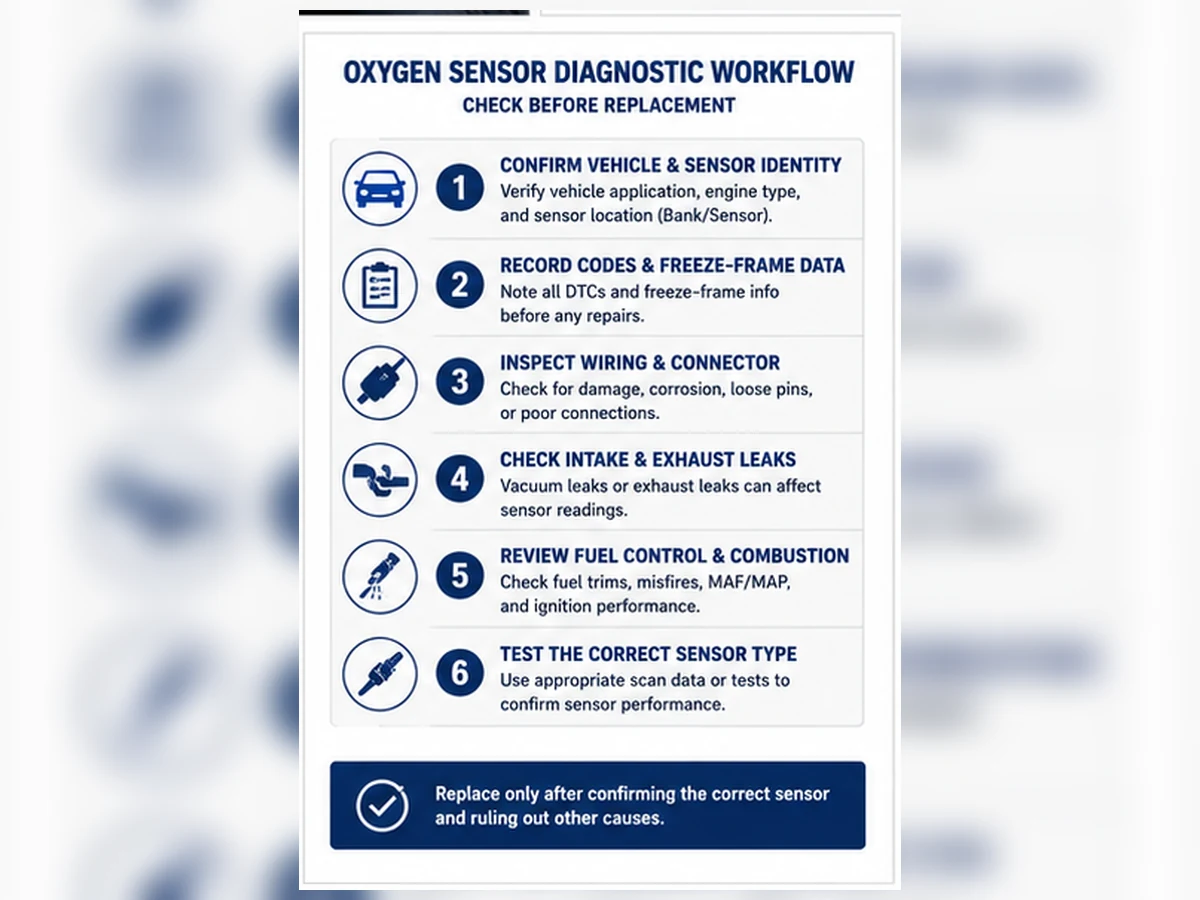
قارن استهلاك الوقود عبر مسارات وطرق تعبئة مماثلة، ثم سجل الرموز وبيانات الإطار المتجمد وتعديلات الوقود. افحص مجمع السحب والعادم بحثًا عن تسربات. تحقق من درجة حرارة سائل التبريد وبيانات تدفق الهواء واستجابة الحساس تحت ظروف التشغيل المحددة في معلومات الخدمة. يمكن للحساس السليم الإبلاغ بشكل صحيح عن مشكلة نشأت في مكان آخر.
تأثيرات المنبع والمصب مختلفة
عادةً ما يكون المستشعر العلوي أكثر ارتباطًا مباشرةً بتغذية راجعة للتحكم في الوقود. بينما يراقب المستشعر السفلي أداء المحفز عادةً، على الرغم من اختلاف الاستراتيجيات. لذا فإن استبدال مستشعر خلفي فقط بسبب انخفاض المسافة المقطوعة هو استدلال ضعيف بشكل خاص ما لم تدعمه اختبارات الدائرة وبيانات الخدمة.
ماذا تتحقق بعد الإصلاح
صحّح السبب الجذري، وتأكد من أن تصحيحات الوقود وبيانات المستشعر تستجيب بشكل طبيعي، واسمح للمراقبات المطلوبة بالعمل بشكل قانوني. تختلف إجراءات إعادة الضبط حسب المركبة. قارن المسافة المقطوعة فقط على مسافة قيادة مماثلة كافية لتقليل التباين الطبيعي؛ تقدير لوحة القيادة الفوري ليس دليلاً موثوقًا على التوفير.
كيف يمكن لخلل في المستشعر أن يغير استهلاك الوقود
عندما يصل المحرك الدافئ إلى ظروف الحلقة المغلقة، تساعد التغذية الراجعة من مستشعر الأكسجين العلوي وحدة التحكم في تقييم الخليط. يمكن أن يؤدي تقرير خليط فقير منحاز إلى قيام الوحدة بإضافة الوقود؛ بينما يمكن لتقرير خليط غني بطيء أو منحاز أن يعطل التصحيح في اتجاه آخر. يعتمد التأثير على استراتيجية التحكم، ووقت التشغيل في الحلقة المغلقة، وما إذا كانت المدخلات الأخرى تبقى معقولة. يدعم المستشعر السفلي عادةً مراقبة المحفز ولا ينبغي إلقاء اللوم عليه تلقائيًا في شكوى المسافة المقطوعة.
| مسار محتمل | دليل داعم | ما يمكن أن يحاكيه |
|---|---|---|
| تغذية راجعة فقيرة منحازة تضيف وقودًا | تصحيح إيجابي مع فشل اختبار الاستجابة | تسرب في السحب، ضعف توصيل الوقود أو تسرب في العادم |
| تأخر الاستجابة يؤخر التصحيح | استجابة خاصة بالتقنية خارج المواصفات | تغير بطيء في الخليط الفعلي أو معدل مسح منخفض |
| خلل في السخان يؤخر التغذية الراجعة | تم التحقق من فشل دائرة السخان وشروط التمكين | خلل في الفيوز أو الأسلاك أو الأرضي أو التحكم |
| استراتيجية احتياطية بعد العطل | معلومات الخدمة وأدلة التشخيص المخزنة | مدخلات فاشلة أخرى أو أمر حلقة مفتوحة |
بناء خط أساس موثوق لاقتصاد الوقود
تقديرات لوحة القيادة مفيدة للاتجاهات ولكنها قد تتغير مع طول الرحلة وإعادة تعيين السجل. للحصول على خط أساس أقوى، سجل الوقود المضاف والمسافة على عدة دورات تعبئة قابلة للمقارنة، باستخدام ممارسة تعبئة متسقة. لاحظ درجة الحرارة المحيطة، المسار، متوسط السرعة، الحمولة، ضغط الإطارات، خليط الوقود والتشغيل في وضع الخمول. لا تقارن فترة رحلة قصيرة في الشتاء مع فترة طريق سريع دافئة وتنسب الفرق إلى مستشعر واحد.
تطبيع ظروف القيادة
التشغيل البارد والرحلات القصيرة يبقيان المحرك والمحول الحفاز دون ظروف تشغيل مستقرة لجزء أكبر من الرحلة. القطر، أحمال السقف، الازدحام والسرعة العالية تزيد من الطلب على الطاقة بشكل مستقل عن تغذية المرتدة للخليط. سجل هذه العوامل قبل التشخيص.
التحقق من عوامل القياس والصيانة
تحقق من حجم الإطارات وضغطها، الفرامل الساحبة، أعراض المحاذاة، تسربات الوقود وحالة الصيانة. تغيير عداد المسافات أو حجم الإطارات يمكن أن يشوه المسافة المحسوبة. رائحة وقود خام قوية أو تسرب مرئي هي مشكلة سلامة، وليست تجربة على مستشعر.
استخدم ترتيب تشخيصي قبل استبدال المستشعر
- سجل الرموز الحالية والمعلقة والدائمة، الإطار المجمد والجاهزية قبل المسح.
- تأكد من وصول المحرك إلى درجة حرارة التشغيل المتوقعة وحالة الحلقة المغلقة.
- مراجعة تصحيحات الوقود قصيرة وطويلة الأمد حسب الحمولة والسرعة.
- فحص تسرب السحب والعادم، وبيانات تدفق الهواء/الحمولة، وتوصيل الوقود.
- تحديد تقنية المستشعر العلوي بدقة وتشغيل اختبار الاستجابة/الدائرة المحدد.
- إصلاح السبب الجذري المدعوم وتكرار القياس الأساسي في ظروف مماثلة.
| الملاحظة | السؤال الذي يثيره | الدليل التالي |
|---|---|---|
| خلوص عالي إيجابي بشكل رئيسي عند التباطؤ | هواء غير مقاس أو تسرب عادم منخفض التدفق؟ | اختبار التسرب ومقارنة الخلوص عند حمولة أعلى |
| تعديل إيجابي عالي عبر الحمل | توصيل الوقود، تدفق الهواء أو انحياز الحساس؟ | بيانات الضغط/الحجم، الحمل واختبار الاستجابة |
| تعديل سلبي | وقود زائد أو مدخل منحاز؟ | بيانات الحاقنات، التطهير، الضغط، درجة الحرارة والحساسات |
| تعديلات طبيعية مع شكوى من المسافة المقطوعة | عامل تشغيل غير متعلق بالخليط؟ | خط الأساس، الإطارات، الفرامل، المسار، الحمولة والإحماء |
المدخلات التي تحاكي عادة مشكلة حساس الأكسجين
درجة حرارة سائل التبريد وتشغيل منظم الحرارة
المحرك الذي يعمل بدرجة حرارة أقل من المطلوب قد يستخدم استراتيجية غنية ويقضي وقتًا أطول خارج ظروف التحكم العادية. قارن بيانات درجة الحرارة الفعلية مع إجراءات المركبة؛ لا تستبدل مستشعر الأكسجين لأن مؤشر لوحة القيادة يبدو طبيعيًا.
تدفق الهواء، الحمولة وتسرب السحب
بيانات MAF/MAP غير صحيحة أو الهواء غير المقاس يغير حساب وحدة التحكم للوقود. قد يبلغ مستشعر الأكسجين السليم عن الخليط الخفيف الناتج بدقة. قارن بيانات الحمولة، تصحيحات الوقود وأدلة التسرب.
توصيل الوقود، الحاقنات والتطهير
الضغط الزائد، تسرب الحاقن أو تدفق التطهير غير المنضبط يمكن أن يخلق تشغيلًا غنيًا. الضغط المنخفض أو التوصيل المقيد يمكن أن يخلق تشغيلًا خفيفًا. يجب اختبار هذه الأسباب بدلاً من استنتاجها من إشارة مستشعر الأكسجين وحدها.
تفسير بيانات النطاق الضيق والنطاق العريض بشكل صحيح
تتبع النطاق الضيق العلوي ومعامل التيار/لامدا للعريض يتطلبان توقعات مختلفة. تأكد من الوحدات، PID المدعوم، درجة حرارة المحرك والحالة المطلوبة. لقطة شاشة واحدة لا يمكنها إظهار الاستجابة بمرور الوقت أو تحديد ما إذا كان المستشعر هو سبب تصحيح الوقود.
| عنصر بيانات | سؤال مفيد | قيد |
|---|---|---|
| تعديل الوقود قصير المدى | ما التصحيح الذي يحدث الآن؟ | يتغير بسرعة مع الحالة والحمل |
| تعديل الوقود طويل المدى | ما الاتجاه المتكرر الذي تم تعلمه؟ | يمكنه الاحتفاظ بالسجل بعد عطل سابق |
| جهد/تيار/لامدا الحساس | هل الاستجابة تتوافق مع التقنية؟ | يتطلب حالة مأمورة وظروف اختبار |
| حالة الحلقة المغلقة | هل التغذية الراجعة مفعلة حاليًا؟ | لا يثبت صحة كل مدخل |
سيناريو مركب: التشغيل البارد يسبب الشكوى
سيناريو تشخيصي مركب: ينخفض الاقتصاد في استهلاك الوقود خلال الرحلات القصيرة في الشتاء، ويتم تخزين كود حساس أكسجين قديم في السجل. قيم التصحيح الحالية معقولة عند التسخين، لكن بيانات درجة حرارة سائل التبريد تظهر أن المحرك لا يصل إلى نطاق التشغيل المتوقع. تشخيص منظم الحرارة يغير اتجاه الإصلاح. هذا مثال مركب، وليس حالة عميل أو ادعاء توفير من Sunhyings.
لا توجد نسبة توفير عالمية مسؤولة
تتراوح فائدة الاستبدال من لا شيء، عندما لا يكون الحساس معطلاً، إلى تصحيح ذي معنى عندما أثرت التغذية الراجعة المنحرفة على التحكم في الوقود. المركبة والطريق والمناخ والأعطال الأخرى تهيمن على النتيجة. لا تعد بتحسن نسبي أو تحسب فترة الاسترداد حتى يحدد التشخيص العطل ويوجد خط أساس قابل للتكرار.
تحقق من كل من الإصلاح واتجاه الاقتصاد
بعد الإصلاح، تأكد من استجابة المستشعر الخاصة بالدائرة والتقنية، وقيم الوقود المعقولة، واكتمال المراقب ذي الصلة. ثم قارن استهلاك الوقود عبر مسارات وظروف مماثلة. قد تتطلب التعديلات المتعلمة الإجراء والوقت المحددين للمركبة للاستقرار. مسح الذاكرة بشكل متكرر يمكن أن يمحو الأدلة التشخيصية دون إثبات التحسن.
لا تحول شكوى المسافة المقطوعة مباشرة إلى أمر
يجب أن يتضمن طلب القطع الأساس التشخيصي بالإضافة إلى هوية التركيب. سجل موضع المستشعر المختبر، والتقنية، والمرجع الأصلي، والمركبة والمحرك بالكامل، وحزمة السوق/الانبعاثات، وتفاصيل الموصل والكابل. عبارة “يستهلك وقودًا كثيرًا” لا تحدد أي مستشعر متورط ولا تثبت فشل أي مستشعر.
لتحليل الأسطول أو الموزع، افصل بين عدم تطابق الكتالوج، المرتجعات بدون سبب محدد، وفشل الاستجابة المؤكد. لا تعلن عن نسبة مئوية مضمونة لتوفير الوقود. يمكن أن تدعم أدلة المنتج التوافق والمواصفات؛ فقط بيانات المركبة الخاضعة للرقابة قبل/بعد في ظل ظروف قابلة للمقارنة يمكن أن تدعم نتيجة اقتصادية.
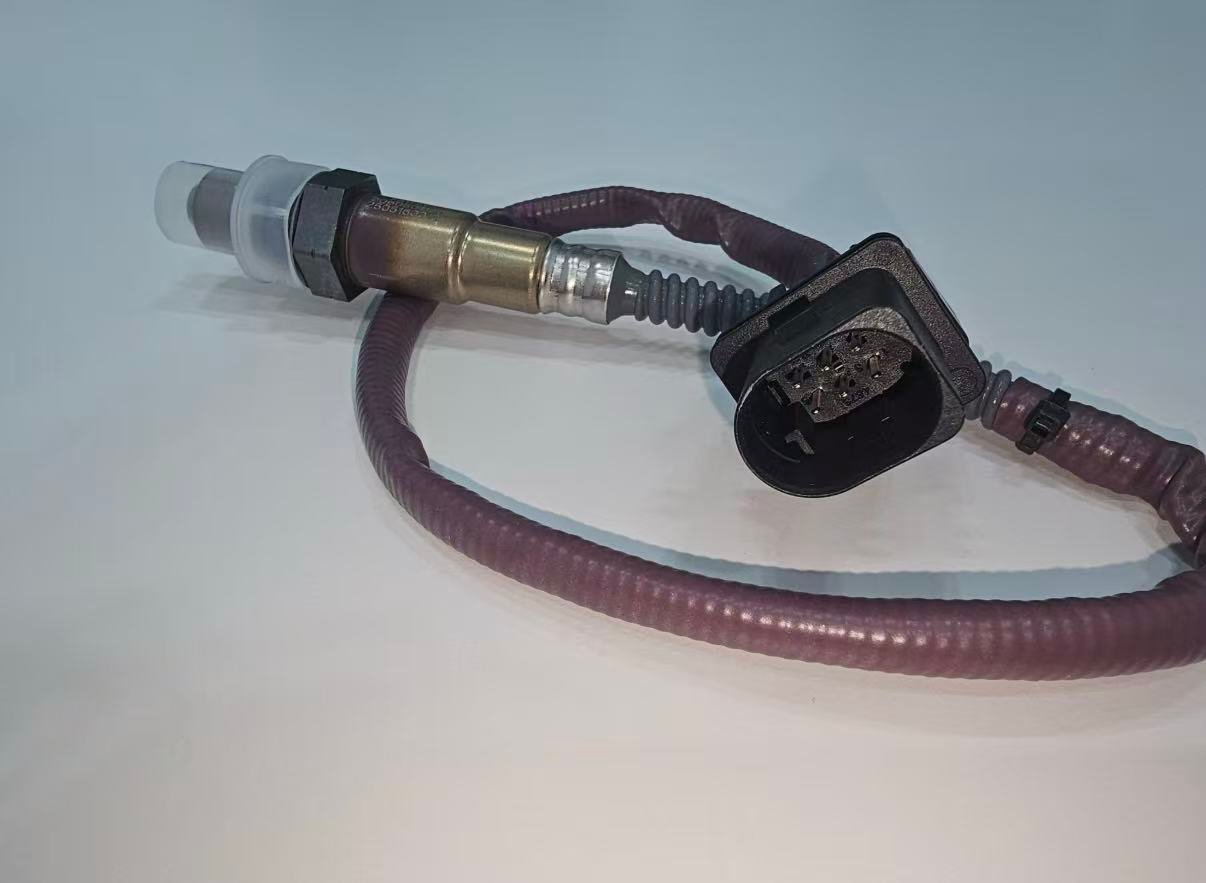
إذا كان التشخيص يدعم الاستبدال، تحقق من رقم OE، وموضع البنك/الحساس بالضبط، وتقنية الحساس، والموصل، والسلك، والتطبيق الإقليمي قبل التركيب. يمكن أن يؤدي التشخيص الصحيح للعطل إلى إصلاح غير ناجح عندما ينتمي البديل إلى موضع أو معايرة أخرى. تظل الموافقة على التوافق والتشخيص السببي بوابتين منفصلتين.
تأكد من أن الاقتصاد في استهلاك الوقود قد تغير بالفعل
تقدير لوحة القيادة لرحلة قصيرة واحدة ليس أساسًا موثوقًا. يتغير استهلاك الوقود مع طول الرحلة، وقت التوقف، حركة المرور، السرعة، درجة الحرارة المحيطة، خليط الوقود، الحمولة، ضغط الإطارات، أحمال السقف، التحكم في المناخ وسلوك السائق. قبل ربط شكوى بحساس الأكسجين، احسب الوقود المضاف على المسافة عبر ظروف تشغيل مماثلة وسجل الظروف.
| إدخال أساسي | كيفية تسجيلها | لماذا يهم |
|---|---|---|
| كمية الوقود | استخدم طريقة تعبئة ثابتة والحجم الفعلي المضاف | حركة المؤشر والمدى المقدر ليسا استهلاكًا دقيقًا |
| المسافة | عداد المسافة أو مسافة الرحلة الموثقة | العينات القصيرة تضخم التباين الطبيعي |
| مزيج الرحلة | المدينة، الطريق السريع، وقت التوقف ومتوسط طول الرحلة | بدء التشغيل البارد والازدحام يغيران الاستهلاك |
| البيئة | درجة الحرارة، الوقود الموسمي والطقس | فقدان التسخين والدحرجة/الديناميكية الهوائية يختلف |
| حمولة المركبة | الركاب، البضائع، المقطورة والملحقات | يتغير عمل المحرك المطلوب |
| حالة الصيانة | الإطارات، الفرامل، الفلاتر، السوائل والإصلاحات الأخيرة | التغييرات غير المتعلقة بالحساسات يمكن أن تفسر الاتجاه |
| سياق العطل | الأكواد، أضواء التحذير وأعراض القيادة | يحدد ما إذا كان التشخيص عاجلاً |
استخدم الأساس لوصف المشكلة، لا لتعديل أن الحساس سيعيد استهلاك وقود ثابت. إذا كانت البيانات غير متناسقة أو غير متوفرة، ضع علامة على تغير استهلاك الوقود البيانات غير متاحة وتشخيص الأعراض المبلغ عنها بشكل منفصل.
كيف يمكن لمشكلة حساس الأكسجين العلوي أن تؤثر على استهلاك الوقود
بعد استيفاء شروط التفعيل، يمكن لوحدة التحكم استخدام تغذية راجعة من حساس الأكسجين العلوي مع مدخلات تدفق الهواء، الحمل، درجة الحرارة وغيرها لتصحيح أمر الحاقن. الإشارة المنحازة، البطيئة أو غير المتوفرة يمكن أن تساهم في تصحيح غير صحيح أو في استراتيجية احتياطية. يعتمد التأثير على تقنية الحساس، نمط العطل، معايرة المركبة وحالة التشغيل.
لا يقوم المستشعر بقياس الوقود مباشرة. إذا أبلغ عن حالة خليط فقير حقيقية ناتجة عن هواء غير مقيس، أو توصيل وقود منخفض، أو تسرب في العادم، فإن إضافة الوقود قد تكون الاستجابة المنطقية من وحدة التحكم. استبدال ذلك المستشعر الذي يبلغ بشكل صحيح يترك السبب الجذري نشطًا. على العكس، قد تؤدي إشارة منحازة إلى دفع التصحيح حتى لو كانت حالة المحرك مختلفة. يجب أن يفصل التشخيص بين هذه المسارات.
| حالة الإشارة | استجابة وحدة التحكم المحتملة | تأثير استهلاك الوقود | الأدلة المطلوبة |
|---|---|---|---|
| تقرير خليط فقير دقيق | إضافة وقود ضمن نطاق التحكم | قد يزيد الاستهلاك بسبب وجود عطل آخر | تسرب، ضغط الوقود، تدفق الهواء ونمط التعديل |
| حساس يميل نحو الخليط الفقير | أضف الوقود على الرغم من الخليط الفعلي الأغنى | قد يزيد الاستهلاك والانبعاثات | أدلة مستقلة للخليط/الدائرة/الاستجابة |
| تقرير دقيق عن الخليط الغني | قلل الوقود ضمن نطاق التحكم | الحساس يبلغ عن عطل في المحرك/الوقود | ضغط الوقود، الحاقنات، التطهير، الإشعال، والتعديلات |
| قراءة الحساس غنية بشكل متحيز | إزالة الوقود رغم الخليط الفعلي الأقل | قد ينتج عن ذلك مخاطر على القيادة والحفاز | اختبار المعقولية والاستجابة المصحح تقنيًا |
| لا توجد تغذية راجعة صالحة | استخدام استراتيجية الاحتياطي/الحلقة المفتوحة كما هو معاير | يختلف التأثير؛ لا يوجد فقدان عالمي في MPG | الرمز/الحالة، حالة التشغيل ومنطق الخدمة |
| مشكلة في المراحل النهائية | مسار مراقبة المحفز بشكل أساسي في العديد من الأنظمة | ليس السبب العالمي الأول لضعف المسافة المقطوعة | استراتيجية التحكم الدقيقة والأعطال ذات الصلة |
الأسباب المتنافسة لضعف المسافة المقطوعة لكل جالون
| النظام | السبب المحتمل | أدلة للمقارنة |
|---|---|---|
| نمط التشغيل | رحلات قصيرة، تباطؤ طويل، ازدحام، سرعة عالية أو حمل ثقيل | تاريخ الرحلة والخط الأساسي المقارن |
| الإطارات/الشاسيه | ضغط منخفض، محاذاة، سحب محمل أو فرامل | الضغط، درجة الحرارة، بيانات السير/الفحص والخدمة |
| التحكم في درجة الحرارة | المحرك لا يصل إلى درجة حرارة التشغيل المتوقعة | بيانات سائل التبريد، وقت التسخين وإجراءات الترموستات |
| قياس الهواء | انحياز تدفق الهواء أو الضغط، انسداد السحب أو تسرب | اختبارات الحمل، ومعقولية تدفق الهواء، والتعديلات، واختبارات التسرب |
| نظام الوقود | الضغط، تسرب الحاقن، تدفق التطهير أو جودة الوقود | اختبارات الضغط/الانخفاض المحدد، والتوازن، والأوامر |
| الإشعال/الميكانيكي | خلل في الاحتراق، أو الضغط، أو التحكم في الصمام | عدادات خلل الاحتراق، واختبارات الإشعال، والأدلة الميكانيكية |
| العادم | تسرب قبل المستشعر أو التقييد | فحص التسرب البارد/الساخن واختبارات الضغط الخلفي/الخدمة |
| المعايرة/البيانات | حجم إطار غير صحيح، تحديث وحدة أو معامل غير مدعوم | تكوين المركبة ومعلومات الخدمة |
استخدم تصحيحات الوقود كسياق، وليس كحكم بديل
التصحيح قصير المدى يظهر استجابة تحكم فورية؛ التصحيح طويل المدى يعكس التعديل المكتسب عبر مناطق التشغيل. يمكن أن تختلف الأسماء والإشارات والوحدات وسلوك إعادة الضبط، لذا استخدم تعريفات الخدمة. قارن بين البنوك وأكثر من حالة تدفق هواء. لا يمكن لقيمة خمول واحدة فصل كل سبب.
| نمط عام | اتجاه محتمل | الفحص التالي | الحدود |
|---|---|---|---|
| أقوى تصحيح إيجابي عند وضع التباطؤ | تسرب هواء غير مُقاس أو تسرب عادم منخفض التدفق | قارن عند تدفق هواء مرتفع وأجرِ اختبار التسرب | ليس عتبة عامة |
| تصحيح إيجابي عند الخمول والحمل | توصيل الوقود، قياس تدفق الهواء أو حالة خليط فقير واسعة النطاق | ضغط الوقود، معقولية تدفق الهواء وكلا البنكين | انحياز الحساس يبقى احتمالًا واحدًا |
| تصحيح سلبي مع أعراض خليط غني | مشكلة في الوقود الزائد أو التطهير أو الحاقن أو القياس | أدلة ضغط الوقود والحاقن والإشعال | قد يكون تقرير المستشعر الغني دقيقًا |
| أحد البنكين يختلف | تسرب موضعي أو وقود أو إشعال أو مشكلة ميكانيكية أو دائرة كهربائية | مقارنة البنوك وأدلة الأسطوانات | يجب أن تكون هوية البنك صحيحة |
| التصحيح طبيعي لكن عدد الكيلومترات منخفض | سبب الرحلة/الهيكل/الحمولة أو عدم التغذية الراجعة | إعادة فحص خط الأساس للاستهلاك والفقد الميكانيكي | الضبط الطبيعي لا يثبت أن المركبة بأكملها مثالية |
سير العمل التشخيصي للمسافة المقطوعة بالإضافة إلى مشكلة حساس الأكسجين
- قياس استهلاك الوقود في ظروف مماثلة وتوثيق التغيير.
- فحص جميع الوحدات؛ الحفاظ على الأكواد والحالة وإطار التجميد والجاهزية.
- تأكيد درجة حرارة التشغيل ونمط الرحلة والإطارات/الهيكل وأساسيات الصيانة.
- تحديد تقنية المستشعر الدقيقة والبنك والموضع قبل رسم البيانات.
- فحص تسربات العادم والموصل والأسلاك ودائرة السخان المحملة.
- قارن القطع حسب البنك وتدفق الهواء مع سياق تدفق الهواء والحمل والوقود والاشتعال الخاطئ.
- قم بتشغيل الاستجابة المتوافقة مع الشركة المصنعة أو اختبار المعقولية.
- أصلح السبب الجذري المدعوم؛ لا تطلب بناءً على MPG أو الكود وحده.
- كرر نفس الملاحظات التشخيصية وإجراءات المراقبة بعد الإصلاح.
- قارن استخدام الوقود فقط عبر عينة لاحقة مشابهة بما فيه الكفاية.
عائلات الأكواد التي قد تصاحب الشكوى
| الكود/الحالة | ما يساهم به | ما لا يثبته |
|---|---|---|
| كود نظام الخليط الفقير/الغني | تجاوز تصحيح التحكم في الوقود لمنطق المراقبة | ما سبب الهواء أو الوقود أو العادم أو الدائرة أو المستشعر الموجود |
| كود انخفاض/ارتفاع مستشعر الأكسجين | حالة الإشارة المسماة للبنك/الموضع | ما إذا كانت الإشارة تعكس الخليط الحقيقي |
| كود بطء/عدم النشاط | مشكلة الاستجابة أو النشاط | تصحيح درجة الحرارة أو الدائرة أو السبب الجذري دون اختبار |
| كود السخان | مشكلة مراقبة دائرة السخان | أن عنصر الاستشعار هو مكوّن الدائرة المعطوب |
| رمز عدم الاشتعال | خلل الاحتراق يمكن أن يشوّه استخدام الأكسجين والوقود | سبب متعلق بالإشعال فقط |
| P0420/P0430 | مشكلة في مراقبة كفاءة المحول الحفاز | ترتيب تلقائي لاستشعار المنبع/المصب |
حالة مركبة: يزداد استهلاك الوقود لأن الحساس يبلغ عن تسرب في السحب
سيناريو ورشة العمل المركبة: تُظهر المركبة تصحيحًا إيجابيًا على كلا البنكين، خاصة عند التباطؤ، مع إشارة استشعار أكسجين إلى خليط فقير. تستجيب المستشعرات لتغيير معتمد في الخليط. يكشف اختبار سحب متحكم فيه عن هواء غير مُقاس. بعد الإصلاح، تعود التصحيحات إلى طبيعتها في ظروف مماثلة وتبقى المستشعرات في الخدمة.
لا يذكر السيناريو أن كل نمط تصحيح إيجابي عند التباطؤ يثبت وجود تسرب. إنه يُظهر أن المستشعر المستجيب يمكن أن يكون دليلًا على عطل آخر. إنه مركب، وليس حالة عميل لشركة Sunhyings ولا يحتوي على نسبة مئوية موفرة للوقود.
حالة مركبة: إشارة علوية منحازة مدعومة بأدلة مستقلة
سيناريو تشخيصي مركب: أوامر مجموعة واحدة تستمر في إضافة الوقود على الرغم من التسرب، وفحوصات توصيل الوقود والإشعال مرضية. سلامة الدائرة سليمة، ومقارنة الاستجابة المتوافقة مع الشركة المصنعة تُظهر أن المستشعر المذكور في المنبع يظل منحازًا بالنسبة للمحفز المعروف والمجموعة المقابلة. تم تأكيد التركيب الدقيق واستبدال المستشعر.
بعد الإصلاح، يتم التحقق من الاستجابة والضبط، ويتم إكمال المراقبة ذات الصلة. يتم تقييم الاقتصاد في استهلاك الوقود لاحقًا عبر رحلات مماثلة بدلاً من الوعد به عند التركيب. هذا مثال على الاستدلال المركب، وليس نتيجة اختبار لقطعة من صناعات صنهاينغ.
قياس نجاح الإصلاح على ثلاثة مستويات
| المستوى | دليل النجاح | التوقيت |
|---|---|---|
| فيزيائي/دائرة | الجزء/الموضع الصحيح، التوجيه الآمن، العادم المحكم ودائرة السخان الصالحة | مباشرة بعد التركيب |
| التحكم/المراقبة | استجابة صحيحة تقنيًا، تشذيب معقول وإكمال المراقبة | في ظل ظروف التشغيل المحددة |
| نتيجة استهلاك الوقود | الاستهلاك المحسوب على مسافة/رحلة/بيئة مماثلة | بعد قيادة تمثيلية كافية |
مصباح تحذير يظل مطفأً لرحلة قصيرة واحدة ليس هو نفسه اكتمال المراقبة. تقدير أفضل للوحة القيادة ليس هو نفسه استهلاك الوقود المقاس. احتفظ ببيانات ما قبل وما بعد وحقق في أي حالة متبقية بدلاً من إرجاع كل التغيير إلى المستشعر البديل.
اختيار وتسجيل المطالبة إذا كان الاستبدال مدعومًا
- المركبة والمحرك وتكوين السوق/الانبعاثات والموضع الدقيق للبنك/المستشعر
- المصدر الأصلي/المرجعي والمراجعة
- تقنية ضيقة النطاق أو التيتانيا أو عريضة النطاق/نسبة الهواء إلى الوقود
- تأكيد الموصل والدبابيس والسلك والمشابك والخيط والدرع
- طريقة وظروف استخدام الوقود الأساسية
- الرموز والدائرة والتسرب والضبط وأدلة الاستجابة
- العبوة والقطعة والدفعة/التاريخ بالإضافة إلى صور المسار المركب
- الاستجابة بعد الإصلاح والجاهزية وبيانات الاستهلاك المماثلة اللاحقة
يمكن لشركة Sunhyings مراجعة بيانات التركيب والمصادر الدقيقة المقدمة لمشروع ما. لا تعد هذه الصفحة بتحسين في الاقتصاد في استهلاك الوقود أو المخزون أو التركيب أو السعر أو الحد الأدنى لكمية الطلب أو المهلة الزمنية لرقم قطعة غير موثق.
التحكم في التباين الطبيعي عند مقارنة استهلاك الوقود قبل وبعد
المقارنة الصحيحة لا تتطلب دقة معملية، ولكنها تتطلب تعريفات متسقة. استخدم نفس طريقة حساب الاقتصاد في استهلاك الوقود، ومزيج الطرق المماثل، والظروف الموسمية المتشابهة، ومسافة كافية بحيث لا يهيمن بدء تشغيل بارد واحد أو فترة تباطؤ طويلة على النتيجة. لاحظ ضغط الإطارات والحمل وتغييرات الصيانة. لا تتجاهل الرحلات غير المواتية فقط لجعل الإصلاح يبدو ناجحًا.
| مصدر التباين | التحكم أو السجل | استنتاج مضلل يجب تجنبه |
|---|---|---|
| تباين التعبئة | استخدم طريقة تعبئة/ضخ قابلة للتكرار وتعبئات متعددة عند الإمكان | تعبئة واحدة تثبت التحسين الدقيق |
| مزيج الرحلة | قارن نسبًا مماثلة للقيادة على الطرق السريعة/داخل المدينة/التوقف | الطرق السريعة بعد الإصلاح مقابل المدينة قبل الإصلاح |
| درجة الحرارة/الموسم | سجل نطاق درجة الحرارة المحيطة وسياق الوقود الموسمي | جميع التغييرات جاءت من الحساس |
| السائق/الحمولة | تسجيل التغييرات الرئيسية في السرعة أو الحمولة أو القطر | حالة المركبة وحدها تحدد استهلاك الوقود |
| التكيف/المراقبة | السماح بالتحكم والمراقبة المطلوبة للتشغيل | إعادة ضبط العرض الفوري هي اتجاه مُتحقق منه |
| صيانة أخرى | قائمة الإطارات، الفرامل، منظم الحرارة، الفلاتر والإصلاحات المتزامنة | إسناد نتيجة الإصلاح المجمعة إلى جزء واحد |
إذا اجتازت دائرة المستشعر والمراقب الآن الاختبار ولكن استهلاك الوقود المقاس لا يزال ضعيفًا، فلا تستبدل المستشعر بشكل متكرر. أعد النظر في خط الأساس وظروف التشغيل والأسباب الميكانيكية أو أسباب التحكم المنافسة. يمكن أن يكون الإصلاح صحيحًا تقنيًا دون تفسير كل مكون من شكوى تكلفة الوقود الأصلية.
يمكن للتلوث ربط استهلاك الوقود واستجابة الحساس وخطر المحفز
التشغيل الغني، استهلاك الزيت، دخول سائل التبريد ومنتجات السيليكون غير المناسبة يمكن أن تؤثر على عنصر الاستشعار والمحفز. الرواسب على المستشعر المُزال هي دليل مفيد ولكنها ليست تشخيصًا كيميائيًا كاملاً. صورها، وراجع تاريخ الزيت/سائل التبريد واختبر نظام المحرك ذي الصلة. استبدال مستشعر ملوث دون تصحيح التعرض يمكن أن يخلق إصلاحًا متكررًا.
| الملاحظة | اتجاه التحقيق | الحدود |
|---|---|---|
| سخام جاف داكن | التشغيل الغني، الاختلال في الاحتراق، نمط الرحلة ودرجة الحرارة | المظهر وحده لا يمكنه تحديد السبب |
| الرواسب المرتبطة بالنفط | الاستهلاك، الحشيات/الحلقات/التهوية وعدم الإشتعال | لا تعد بإصلاح استهلاك الزيت بواسطة حساس |
| أدلة متعلقة بسائل التبريد | تشخيص فقدان سائل التبريد والتسرب الداخلي | اللون ليس تحديدًا مخبريًا |
| احتمال تسمم السيليكون | مراجعة مواد السدادة وسجل الصيانة | لا تنظف بمواد كيميائية غير معتمدة |
| مجموعة أسلاك متضررة بالحرارة | التوجيه، الحواجز ودرجة حرارة العادم/السبب الجذري | استبدال العنصر وحده يترك السبب الفيزيائي |
كيفية التحقيق في “لم يحسن الحساس الجديد استهلاك الوقود”
نتيجة الاقتصاد في استهلاك الوقود وحدها ليست اختبارًا لمطابقة المنتج. ابدأ بتأكيد الجزء المُسلَّم، والتطبيق/الموضع الدقيق، والتركيب. راجع الأساس التشخيصي الأصلي، ونتائج الدائرة والاستجابة، وطريقة خط الأساس، وجميع الإصلاحات المتزامنة. ثم اختبر المنتج والمركبة وفقًا للمواصفات المحددة.
| دليل المطالبة | السؤال الذي تمت الإجابة عليه |
|---|---|
| الفاتورة، العبوة، الجزء ورقم الدفعة/التاريخ | ما المنتج الذي تم توريده؟ |
| المركبة/المحرك/الانبعاثات/الموضع | هل كان ادعاء التركيب صحيحًا؟ |
| سجل الكود والاستجابة قبل/بعد | هل تم تصحيح مشكلة الدائرة الأصلية؟ |
| صور المسار والموصل المثبت | هل كان التركيب الفيزيائي مناسبًا؟ |
| خط الأساس لاستهلاك الوقود وشروط المقارنة | هل تغير الاقتصاد المزعوم قابل للقياس؟ |
| تغييرات تشخيصية/صيانة أخرى | ما الأسباب المتنافسة أو العوامل المربكة المتبقية؟ |
لا ينبغي للمورد رفض الادعاء لمجرد اجتياز اختبار المنضدة، ولا ينبغي للمشتري إعلان عيب الحساس لمجرد عدم تغير معدل استهلاك الوقود. قم بتصنيف الأدلة، وتحديد البيانات المفقودة، ومعالجة عدم المطابقة الفعلي أو سبب المركبة.
لا تستبدل المراقبة القانونية للانبعاثات باقتصاد ظاهري
الفواصل، وأجهزة المحاكاة، وحذف المستشعرات، وقمع كود البرنامج، وتعطيل مراقب المحفز لا تشخّص أو تُصلح ضعف الاقتصاد في استهلاك الوقود. يمكنها إخفاء الأدلة وانتهاك قانون الانبعاثات. استعد النظام المصمم، وصحّح أعطال المحرك والعادم، وتحقق من الجاهزية عبر عملية المراقبة القانونية المعمول بها.
عدم اكتمال مراقب المحفز أو المستشعر بعد مسح الأكواد ليس دليلاً على تحسن الانبعاثات أو التحكم في الوقود. استوفِ شروط التمكين الخاصة بالشركة المصنعة بأمان، واحتفظ بسجل الأكواد الدائمة كما هو مطلوب، وحقق في أي عطل متكرر. للتطبيقات الأمريكية، قواعد وكالة حماية البيئة/مجلس موارد الهواء في كاليفورنيا لها الأولوية؛ وتتطلب الأسواق الأخرى فحصها التنظيمي الخاص. “الاستخدام خارج الطرق” ليس إذنًا عامًا لتعطيل النظام.
الوعد المفيد للعميل هو الانضباط التشخيصي، وليس نسبة مئوية: تأكد من الشكوى، واختبر النظام، وركّب الجزء المثبت فقط عند دعمه، وقِس النتيجة في ظروف مماثلة.
النجاح التقني قبل نسب تحسن الاقتصاد
أولاً، اشترط هوية الجزء الصحيحة، والتركيب الآمن، وتشغيل السخان والإشارة بشكل صحيح، والتحكم المعقول في الوقود، ودليل اكتمال المراقب. عندها فقط قارن الاستهلاك طويل الأجل. إذا نجحت الفحوصات التقنية لكن الاقتصاد لم يتحسن، فإن النتيجة توجه التشخيص نحو أسباب أخرى في المركبة أو التشغيل بدلاً من استبدال مستشعر آخر غير مدعوم.
قم بإعداد طلب تركيب أو توريد
أرسل رقم OE، السنة/الماركة/الموديل، المحرك أو تفاصيل VIN، السوق وحزمة الانبعاثات، موضع البنك/الحساس بالضبط، صور الموصل والقطعة القديمة، الكمية وأي متطلبات تغليف أو موافقة. ستراجع Sunhyings البيانات المقدمة من حيث القدرة وجدوى التوريد؛ لا يتم تأكيد التركيب حتى يتم مطابقة دليل التطبيق.
الأسئلة المتكررة
كم يمكن أن يقلل حساس الأكسجين التالف من المسافة المقطوعة؟
لا توجد نسبة مئوية عالمية موثوقة. يعتمد التأثير على انحياز المستشعر واستراتيجية التحكم وظروف القيادة والأعطال الأخرى.
هل استبدال حساس الأكسجين (O2) يحسن استهلاك الوقود؟
فقط عندما يكون المستشعر معطلاً فعليًا ويؤثر على التحكم. لن يؤدي الاستبدال إلى تصحيح أسباب الإطارات أو منظم الحرارة أو تدفق الهواء أو الحاقن أو نمط القيادة.
هل يمكن لمستشعر سفلي أن يسبب ضعف المسافة المقطوعة؟
دوره الأساسي هو عادة مراقبة المحفز، لذا قم بتشخيص استراتيجية المركبة والدائرة بدلاً من افتراض أن المستشعر الخلفي يتحكم في الوقود.
هل يمكن أن يحدث ضعف في المسافة المقطوعة دون ظهور ضوء فحص المحرك؟
نعم. قد تؤثر ظروف التشغيل ومشكلات الصيانة وبعض المدخلات المتحيزة على الاقتصاد قبل أن يحدد جهاز المراقبة رمزًا.
ما البيانات التي يجب أن أتحقق منها أولاً؟
سجل استخدام الوقود الثابت والرموز وإطار التجميد، ثم افحص تصحيحات الوقود ودرجة حرارة سائل التبريد وبيانات تدفق الهواء وتسريبات السحب/العادم واستجابة الحساس.