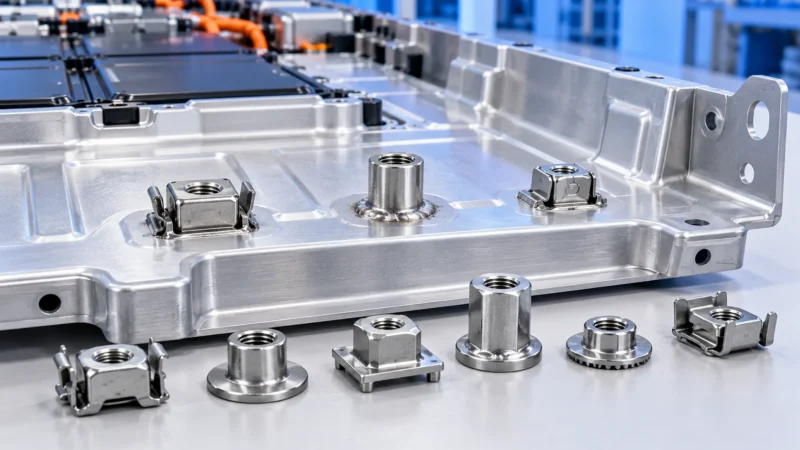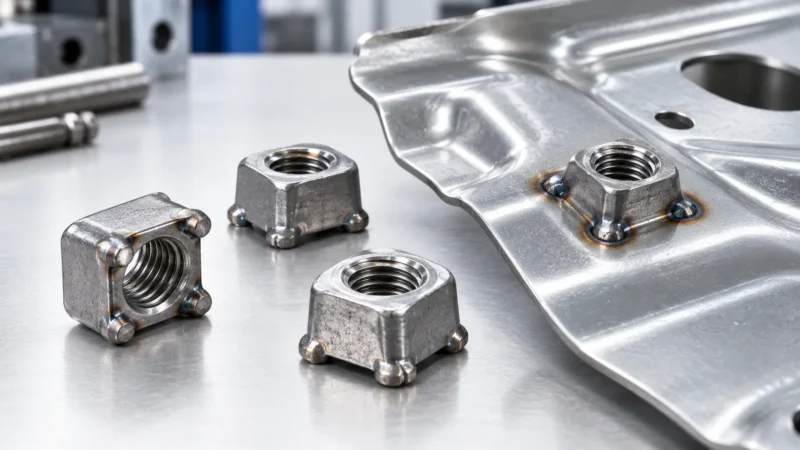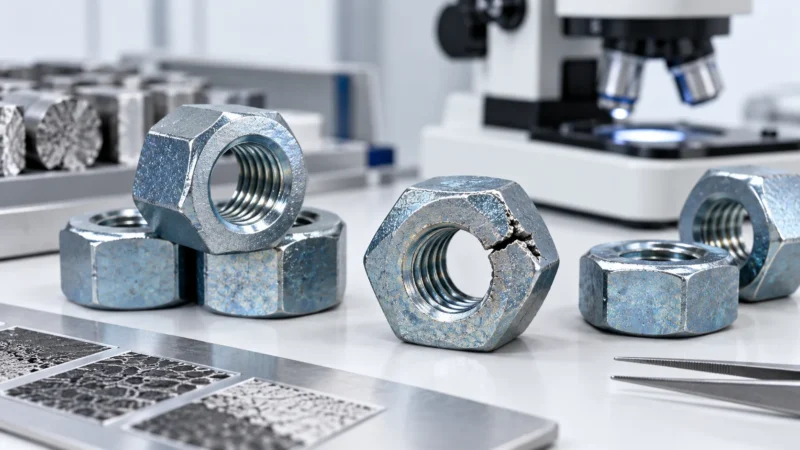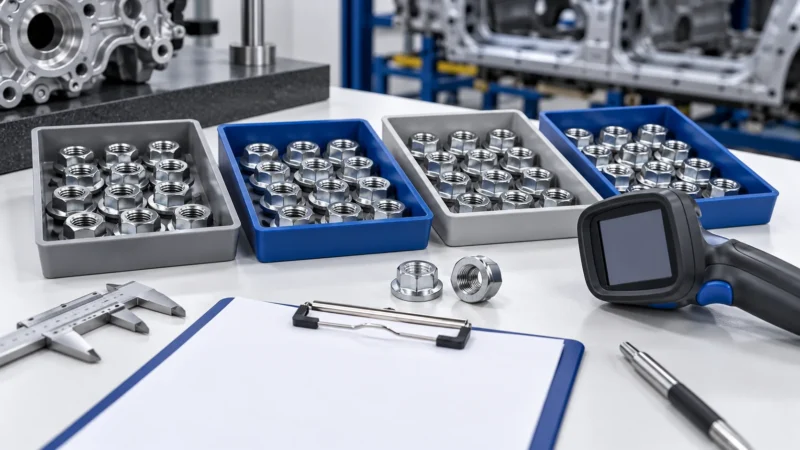






Краткий ответ — что означают классы прочности гаек?
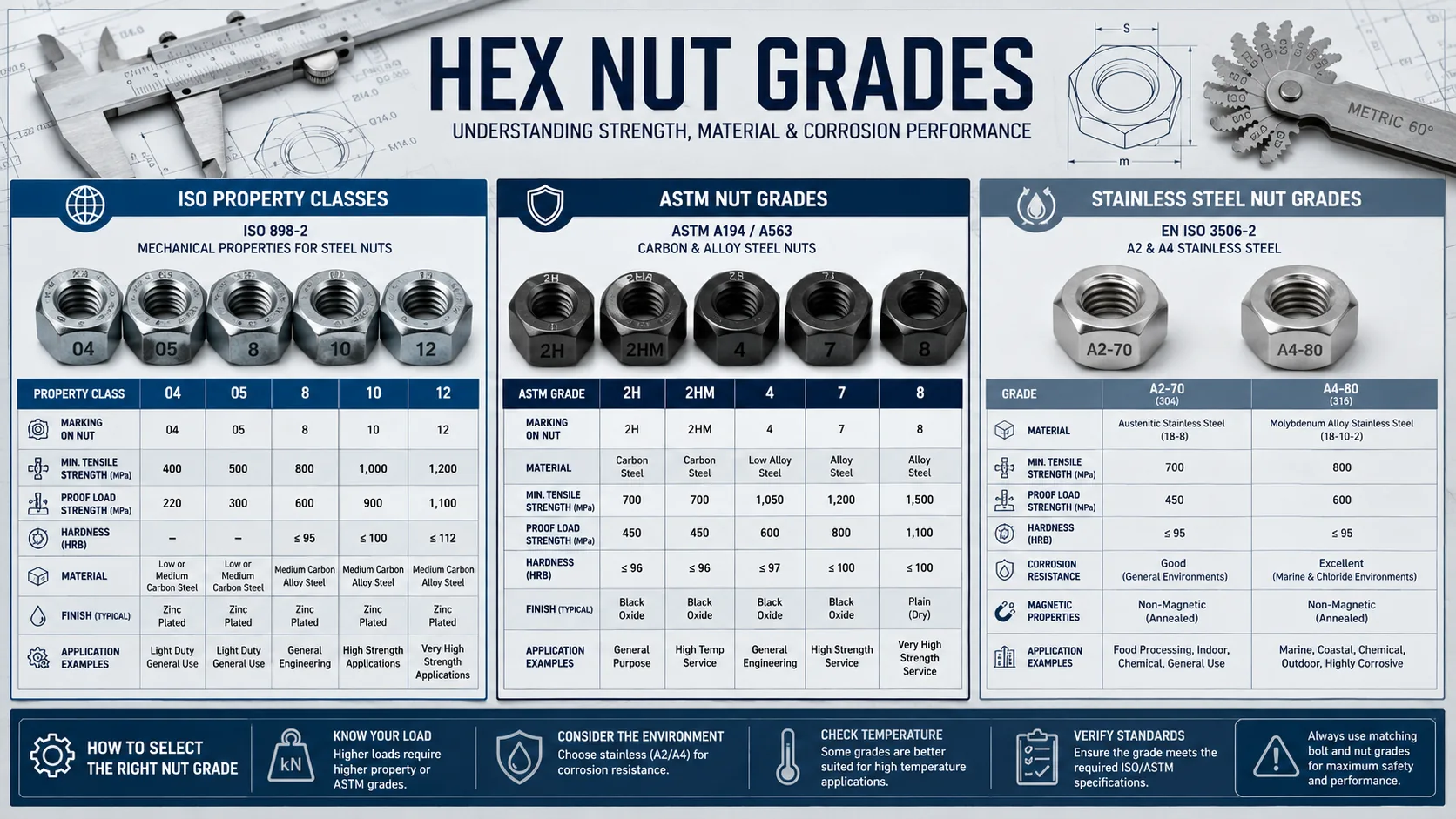
Классы прочности гаек определяют, может ли гайка безопасно выдерживать предварительную затяжку болта без срыва внутренней резьбы, разрушения при пробной нагрузке, остаточной деформации, заедания или ослабления соединения. В метрических системах стальные гайки обычно обозначаются классами свойств ISO, такими как Класс 8, Класс 10 и Класс 12. В дюймовых системах углеродистые и легированные стальные гайки часто обозначаются по маркам ASTM, таким как ASTM A563 Grade A, C, DH или DH3. Гайки из нержавеющей стали используют системы коррозионно-стойких марок, такие как A2-70 и A4-80. Для B2B-закупок одного размера недостаточно. Правильный запрос должен содержать стандарт, размер резьбы, шаг, класс прочности гайки или класс свойств, материал, покрытие, требования к контролю, класс прочности сопрягаемого болта и рабочую среду.
Техническое резюме: Шестигранная гайка не “удерживает” соединение своей формой. Она создает усилие затяжки через внутреннюю резьбу. Если класс прочности гайки слишком низкий, витки резьбы могут срезаться до того, как болт достигнет предварительной затяжки. Если покрытие, смазка или сочетание материалов неправильные, соединение может задираться, треснуть, ослабнуть или не пройти входной контроль.
Класс прочности шестигранной гайки — это не только размер
Класс прочности шестигранной гайки сообщает инженеру, может ли гайка выдержать предполагаемую нагрузку от ответного болта или шпильки. Гайка может иметь правильный диаметр, шаг, фаску и размер под ключ, но быть слишком слабой для данного соединения. Именно поэтому гайка низкого класса может легко накручиваться на высокопрочный болт, а затем срываться при окончательной затяжке.
Почему это важно: неправильный класс прочности гайки влияет не только на прочность. Это может увеличить количество переделок при сборке, привести к отбраковке партии, повредить ответные болты, задержать производство и вызвать скрытую потерю предварительной затяжки в процессе эксплуатации.
Класс прочности (Property Class) vs ASTM Grade vs Нержавеющая сталь
Метрические стальные гайки обычно используют классы прочности ISO. Дюймовые углеродистые и легированные стальные гайки часто используют марки ASTM. Гайки из нержавеющей стали используют системы классов коррозионностойких крепежных изделий, такие как A2 и A4, с классами прочности, например, 70 или 80. Эти системы не взаимозаменяемы в запросах котировок. Фраза “Grade 8 nut” может означать разное в зависимости от того, использует ли покупатель метрическую терминологию ISO или дюймовую терминологию крепежа.
Краткая таблица совместимости болтов и гаек
| Ответный болт / шпилька | Стандартная гайка | Основной риск при несоответствии |
|---|---|---|
| Болт метрический 4.8 / 5.8 | Гайка класса 5 или класса 6 | Низкое усилие зажима при использовании вне легких условий |
| Болт метрический 8.8 | Гайка класса 8 | Срыв резьбы, если гайка слабее требуемой |
| Болт метрический класса прочности 10.9 | Гайка класса 10 | Разрушение под пробной нагрузкой, потеря предварительной затяжки или повреждение внутренней резьбы |
| Болт метрический класса прочности 12.9 | Гайка класса 12 или утверждённая инженером | Высокий разброс предварительной затяжки, риск хрупкого разрушения, чувствительность к покрытию |
| Болт из нержавеющей стали A2-70 | Гайка из нержавеющей стали A2 | Залипание при сухой установке или слишком быстром монтаже |
| Болт из нержавеющей стали A4-80 | Гайка из нержавеющей стали A4 | Залипание, высокая стоимость и разброс предварительного натяга при неконтролируемой смазке |
| Конструкционный болт или анкерный стержень по ASTM | Класс по ASTM A563 в соответствии с проектной документацией | Неправильный класс может привести к отбраковке или риску для соединения |
Данная таблица является практическим руководством по выбору. Окончательный выбор должен соответствовать проектному чертежу, закупленному стандарту и требованиям применения.
Почему классы прочности шестигранных гаек важны в болтовых соединениях
Класс прочности шестигранной гайки важен, поскольку гайка должна передавать предварительное натяжение болта через свою внутреннюю резьбу без текучести, срыва или потери усилия затяжки. В болтовом соединении предварительное натяжение сжимает детали вместе. Если гайка не может выдержать эту нагрузку, соединение может ослабнуть, дать течь, вибрировать, потерять соосность или выйти из строя при циклическом нагружении.
Предварительное натяжение, усилие затяжки и длина свинчивания резьбы
При затяжке болта болт слегка растягивается. Это растяжение создает преднатяга, а предварительное натяжение создает усилие затяжки. Гайка воспринимает эту нагрузку через свинчивание резьбы. На боковые поверхности внутренней резьбы действуют напряжение среза. Если материал гайки, высота, твердость, точность шага или класс прочности недостаточны, свинчиваемые витки могут срезаться до того, как болт достигнет заданного предварительного натяжения.
Почему это важно: низкое предварительное натяжение допускает перемещение между зажатыми деталями. Перемещение увеличивает фреттинг-износ, усталостную нагрузку, вибрационное ослабление и износ. Для OEM-производства это становится затратами по гарантии. Для ремонтных служб это повторные простои и потеря доверия к партии запасных частей.
Что происходит, когда класс прочности гайки слишком низкий
Гайка низкого класса прочности на высокопрочном болте может выглядеть приемлемо при ручной сборке. Проблема проявляется при окончательной затяжке. Динамометрический ключ может продолжать вращаться, но усилие затяжки не возрастает. После снятия внутренняя резьба гайки может выглядеть сорванной, сплющенной или вытянутой.
- Гайка может сорваться до того, как болт достигнет предварительной нагрузки.
- Соединение может пройти визуальный контроль, но ослабнуть позже.
- Болт может быть признан виновным, даже если реальной проблемой была нагрузка на гайку.
- Сборочные бригады могут тратить время на замену динамометрических ключей вместо исправления спецификации.
- Переделка может повредить болты, шайбы, покрытые поверхности и производственные графики.
Почему более прочная гайка — не всегда правильное решение
Гайка более высокого класса не обязательно означает лучшее соединение. Если основной материал мягкий, более твердая гайка и шайба могут вдавиться в соединяемую деталь. Если не контролировать трение покрытия, высокопрочная сборка может быть перетянута или недотянута. Если нержавеющая сталь устанавливается сухой, более высокая прочность не предотвращает задиры или холодную сварку.
Инженерное предупреждение: Рассматривайте соединение как систему: класс болта, класс гайки, твердость шайбы, шаг резьбы, опорная поверхность, покрытие, смазка, инструмент затяжки и рабочая нагрузка. Класс гайки, выбранный изолированно, может переместить точку разрушения в болт, шайбу, основной материал или покрытие.
Классы свойств метрических шестигранных гаек ISO
Метрические шестигранные гайки обычно обозначаются классами свойств ISO. ISO 898-2 определяет механические и физические свойства стальных гаек из нелегированной или легированной стали, испытанных при температуре окружающей среды. Он применяется к метрической резьбе ISO, включая крупный шаг M5–M39 и мелкий шаг M8×1 до M39×3. Перед производством необходимо проверить окончательную нагрузку при испытании, твердость, маркировку и размерные требования в соответствии с приобретенным последним стандартом.
Гайки шестигранные класса 5 и класса 6
Гайки класса 5 и класса 6 используются в узлах с низкой прочностью, где не требуется высокая предварительная нагрузка. Они могут подходить для легких кронштейнов, общего крепежа, крышек, легкой мебельной фурнитуры и некритичных соединений в зависимости от сопрягаемого болта и рабочей нагрузки.
Что может пойти не так: если гайки класса 5 или класса 6 попадут в контейнер, предназначенный для болтов класса 8.8 или 10.9, может произойти срыв резьбы при окончательной затяжке. Стоимость заключается не в цене гайки, а в переделке, простое, повреждении сопрягаемых болтов и потере доверия к контролю партии.
Гайки шестигранные класса 8
Гайки класса 8 обычно используются в паре с метрическими болтами 8.8 в станинах машин, кронштейнах, основаниях оборудования и общепромышленных соединениях. Для многих заказов B2B класс 8 является первой серьезной линией, где класс прочности должен быть четко указан в запросе предложения, а не предполагаться поставщиком.
Примечание к закупке: “Оцинкованная гайка M12” неполная. Контролируемый запрос предложения должен содержать ISO 4032 M12 × 1.75 Класс 8, затем добавить материал, покрытие, допуск резьбы, контроль и требования к упаковке.
Шестигранные гайки класса 10
Гайки класса 10 обычно используются с болтами 10.9, где требуется более высокий предварительный натяг. Такие соединения более чувствительны к трению покрытия, твердости шайбы, состоянию резьбы и методу затяжки. Гайка класса 10 может выйти из строя на практике, если толщина покрытия создает сопротивление резьбы или если окончательная затяжка выполняется неконтролируемым ударным инструментом.
Шестигранные гайки класса 12
Гайки класса 12 используются для высокопрочных соединений, где сопрягаемый болт и конструкция соединения требуют более высокой несущей способности. Такие сборки требуют инженерного анализа, поскольку разброс крутящего момента, смазка, твердость поверхности, усталостная нагрузка и контроль процесса покрытия становятся более важными. Для сборок с болтами 12.9 выбор гайки не должен основываться на привычках закупки.
Требования к пробной нагрузке и твердости по ISO 898-2
Пробная нагрузка является одним из наиболее важных свойств гаек. Она проверяет, может ли гайка выдерживать заданную нагрузку без разрушения резьбы или остаточной деформации. Твердость также контролируется, поскольку она отражает состояние материала и реакцию на термообработку.
| Класс метрической гайки | Соответствующий болт | Типичное применение | Инженерный риск, на который следует обратить внимание |
|---|---|---|---|
| Класс 5 / Класс 6 | Болты 4.8 / 5.8 | Сборки с легкой нагрузкой | Низкое усилие зажима при использовании с более прочными болтами |
| Класс 8 | Болты 8.8 | Рамы машин, оборудование, общепромышленные соединения | Неправильное покрытие, повреждённый шаг или плохое зацепление резьбы могут повлиять на предварительную затяжку |
| Класс 10 | Болты 10.9 | Высокопрочные соединения машин | Контроль пробной нагрузки, твердости, трения покрытия и риска водородного охрупчивания обязателен |
| Класс 12 | Болты класса 12.9 или ответственные соединения | Высоконагруженные прецизионные узлы | Контроль монтажа и разброс трения становятся критическими |
Данная таблица является справочной. Перед производством всегда проверяйте точные требования к свойствам по ISO 898-2 и чертежу проекта.
Объяснение марок ASTM для шестигранных гаек
Марки гаек ASTM распространены в дюймовых крепежных системах, строительных болтовых соединениях, анкерных стержнях, оборудовании под давлением и североамериканских проектных спецификациях. ASME B18.2.2 может определять размерный тип дюймовых гаек, но механический класс часто задается отдельно через стандарты ASTM.
ASTM A563 Гайки из углеродистой и легированной стали. Классы
ASTM A563/A563M охватывает химические и механические требования к гайкам из углеродистой и легированной стали, используемым для общих конструкционных и механических применений на болтах, шпильках и других деталях с наружной резьбой. Включает такие требования, как твердость, нагрузка под прессом, химический состав и механические свойства. Для строительства, конструкционной стали и анкерных применений проектная спецификация должна контролировать точный класс ASTM.
| ASTM A563 Класс | Общее направление использования | Покупатель должен подтвердить |
|---|---|---|
| Класс A | Общее применение с низкой прочностью для конструкций или механики | Класс ответного болта, покрытие, тип гайки и приемка проекта |
| Класс C | Применения с повышенной прочностью в зависимости от спецификации | Твердость, усилие затяжки и утверждение проекта |
| Класс DH | Тяжелые конструкционные болтовые соединения и высоконагруженные применения | Требование к тяжелой шестигранной гайке, покрытие, твердость и сертификация |
| Класс DH3 | Применение в условиях, где указана атмосферостойкая сталь | Требования к атмосферной коррозии и примечание на чертеже |
Гайки ASTM A194 для высокотемпературного и высонапорного применения
ASTM A194/A194M охватывает различные углеродистые, легированные, мартенситные нержавеющие и аустенитные нержавеющие гайки, предназначенные для работы под высоким давлением или при высокой температуре, или обоих условиях. Это актуально для фланцевых болтовых соединений, оборудования под давлением, трубопроводных систем и нефтехимических применений.
Почему это важно: условия давления и температуры могут изменить запас прочности. Неправильная марка может повлиять на одобрение объекта, инспекционный допуск и срок поставки, так как партия может быть отклонена при проверке документации, даже если размер резьбы верен.
Марки гаек из нержавеющей стали ASTM F594
ASTM F594 охватывает гайки из нержавеющей стали от 0.25 до 1.50 дюйма. номинальный диаметр в нескольких распространенных группах нержавеющих сплавов для применения в условиях, требующих общей коррозионной стойкости. В основном это относится к дюймовым спецификациям гаек из нержавеющей стали. Выбор марки нержавеющей стали должен учитывать группу сплава, коррозионную среду, риск заедания, спецификацию ответного крепежа и требования к пределу текучести.
Тяжелые шестигранные гайки против обычных шестигранных гаек
Тяжелые шестигранные гайки имеют большую ширину под ключ и большую опорную поверхность, чем обычные шестигранные гайки. Структурные болтовые и анкерные соединения часто требуют тяжелых шестигранных гаек. Обычная шестигранная гайка может иметь правильную резьбу, но не правильную опорную поверхность, приемку по проекту или требование по нагрузке.
Инженерное предупреждение: Не используйте терминологию размеров ASME как замену требованиям к марке ASTM. Гайка может быть размерно правильной, но механически неправильной.
Совместимость болта и гайки: какую марку гайки использовать?
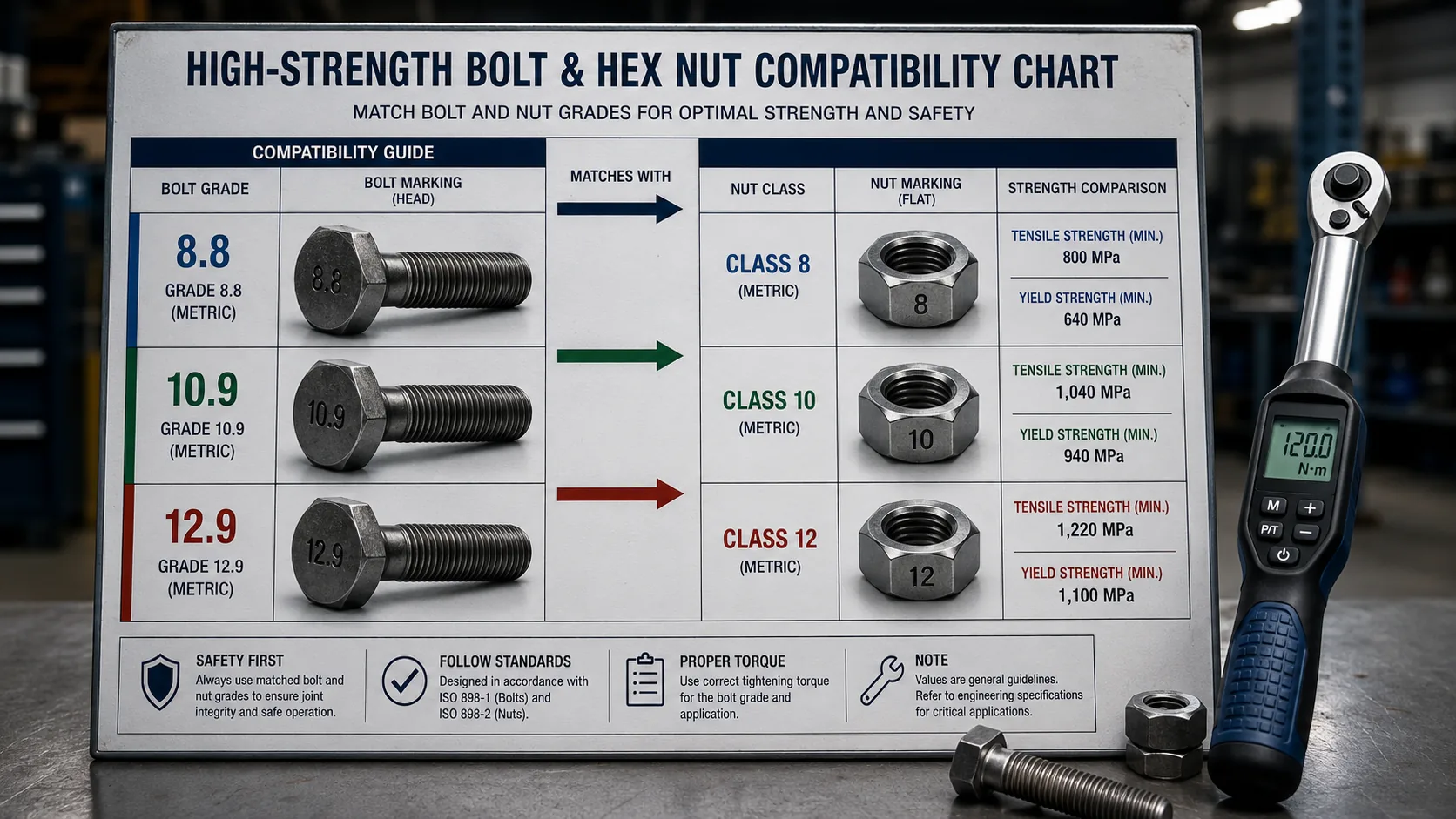
Совместимость болта и гайки является основной причиной, по которой покупатели ищут классы шестигранных гаек. Гайка должна быть достаточно прочной для предварительной затяжки болта, но также должна соответствовать системе резьбы, материалу, покрытию, состоянию шайбы и методу сборки.
Какой класс гайки для болтов 8.8?
Для большинства метрических стальных сборок болты 8.8 обычно комплектуются гайками класса 8. Соединение все равно следует проверять на твердость шайбы, покрытие, смазку, длину свинчивания и метод затяжки. Если мягкая шайба или мягкий основной материал деформируются после затяжки, усилие зажима может упасть, даже если классы болта и гайки верны.
Какой класс гайки для болтов 10.9?
Для болтов 10.9 обычно используются гайки класса 10. Если используется гайка более низкого класса, резьба гайки может сорваться до того, как болт достигнет требуемой предварительной затяжки. Отказ может выглядеть как проблема монтажа, но коренная причина часто заключается в отсутствии указания класса прочности в RFQ или BOM.
Встроенный полевой сценарий
Какая проблема возникла: В раме оборудования использовались болты 10.9, но во время окончательной сборки были установлены гайки низкого класса из смешанного запаса. Несколько гаек сорвались изнутри до достижения целевого усилия зажима.
Почему это произошло: В спецификации закупки были указаны размер и покрытие, но не был указан класс 10 для гаек.
Реальная причина системы: Испытательная нагрузка гайки была ниже предварительной затяжки, требуемой для соединения с болтом 10.9.
Корректирующее действие: Спецификация была пересмотрена с включением стандарта ISO, размера, шага, класса 10, материала, покрытия и требований к контролю.
Профилактика: Сортируйте запасы гаек по классу прочности и требуйте подтверждения марки/класса по каждому запросу на высокопрочный крепеж.
Какой класс гайки для болтов 12.9?
Болтовые соединения 12.9 требуют инженерного анализа. Могут потребоваться гайки класса 12, но также следует проверить разброс трения, риск покрытия, твердость шайбы, усталостную нагрузку и метод затяжки. Такие соединения не должны полагаться на общие значения крутящего момента без проверки.
Соответствие болтов и гаек из нержавеющей стали A2-70 и A4-80
ISO 3506-2 Охватывает механические и физические свойства коррозионностойких гаек из нержавеющей стали с указанными марками и классами прочности. Сборки из нержавеющей стали A2-70 и A4-80 выбираются в основном из-за коррозионной стойкости, а не для максимального предварительного натяга. A2 обычно ассоциируется с нержавеющей сталью типа 304, а A4 — с нержавеющей сталью типа 316. Крепеж из нержавеющей стали более склонен к заеданию, чем из углеродистой стали, особенно при сухой высокоскоростной установке.
Совместимость дюймовых болтов и гаек по ASTM
Для дюймовых систем не переводите метрические классы прочности непосредственно в марки ASTM. Подтвердите чертеж проекта, спецификацию болта по ASTM, тип гайки, требование к покрытию и требование к сертификату испытаний. Для конструкционных или анкерных применений часто указываются марки ASTM A563 в проектной документации.
Контрольная нагрузка, твердость и срыв резьбы
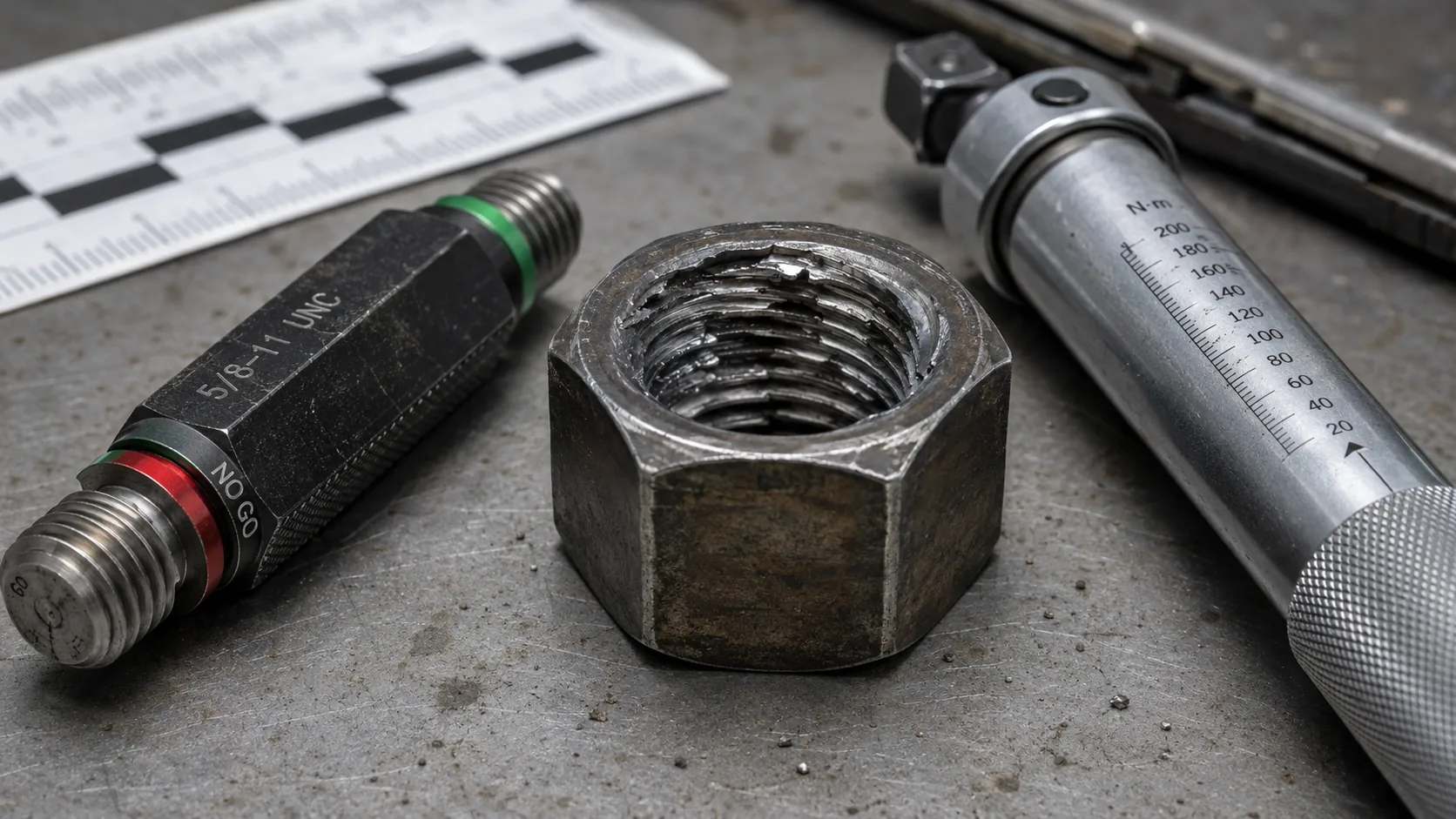
Контрольная нагрузка и твердость являются ключевыми для производительности гайки. Гайка может выглядеть правильно, иметь правильные размеры, но все равно выйти из строя, если ее контрольная нагрузка не подходит для сопрягаемого болта или если контроль термообработки плохой.
Что такое контрольная нагрузка?
Контрольная нагрузка — это заданная нагрузка, которую гайка должна выдерживать без срыва резьбы или остаточной деформации в условиях соответствующего стандартного испытания. В реальных сборках контрольная нагрузка дает инженеру уверенность в том, что гайка может выдержать предполагаемое предварительное натяжение.
Почему это важно: Контрольная нагрузка ближе к фактическому режиму отказа гайки, чем общее описание “прочная” или “тяжелая”. Если контрольная нагрузка неверна, затяжка может потребовать времени и момента без создания надежного усилия зажима.
Почему внутренняя резьба гайки срывается раньше, чем ломается болт
Резьба гайки срывается, когда прочность внутренней резьбы на срез ниже нагрузки, приложенной при затяжке. Это может быть вызвано низким классом, недостаточной высотой гайки, неправильным материалом, плохой термообработкой, неправильным шагом, чрезмерным моментом, поврежденной фаской или плохим зацеплением резьбы.
Диапазон твердости и контроль термообработки
Твердость помогает подтвердить, находятся ли материал и термообработка в ожидаемом диапазоне. Слишком мягкая гайка может деформироваться или сорвать резьбу. Слишком твердая или плохо обработанная гайка может привести к хрупкости или риску растрескивания из-за покрытия, в зависимости от материала и процесса. Легированные стальные гайки, такие как 35CrMo, 40Cr или аналоги SCM435, требуют более строгого контроля термообработки при использовании в соединениях с высоким предварительным натяжением.
Распространенные признаки срыва резьбы при сборке
| Признак сборки | Вероятное значение | Что проверять |
|---|---|---|
| Динамометрический ключ продолжает вращаться, но усилие затяжки не нарастает | Внутренняя резьба может срезаться | Класс прочности гайки, испытательная нагрузка, длина свинчивания |
| Резьба выглядит сплющенной после удаления | Срыв резьбы или деформация материала | Твёрдость, материал, шаг и чрезмерный момент затяжки |
| Гайка кажется мягкой при окончательной затяжке | Низкая твёрдость или неправильная марка | Запись термообработки и проверка твёрдости |
| Гайка проходит ручную подгонку, но выходит из строя под моментом | Геометрия правильная, но прочность недостаточна | Класс свойства и класс сопрягаемого болта |
| Калибр ПР-НЕ выходит из строя после покрытия | Посадка резьбы зависит от толщины покрытия | Толщина покрытия и контроль после покрытия |
Типовые сценарии отказов шестигранных гаек по классу прочности
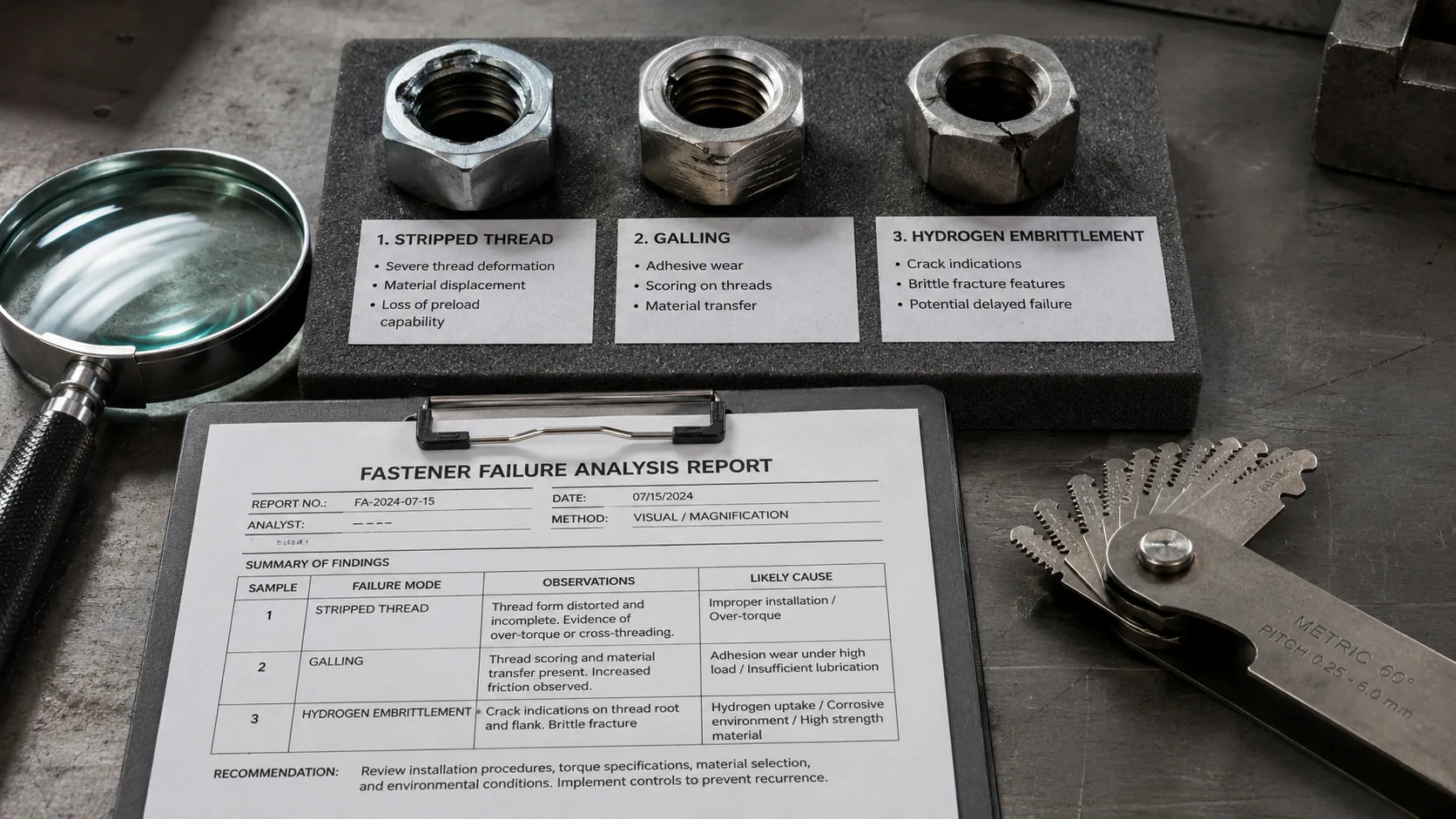
Большинство отказов шестигранных гаек по классу прочности можно проследить до несоответствия между нагрузкой, материалом, покрытием и методом установки. Гайку часто обвиняют как мелкую деталь, но коренная причина обычно заключается в неполной спецификации или неконтролируемом процессе сборки.
Гайка низкого класса прочности на высокопрочном болте
Это классический случай срыва резьбы. Гайка подходит к болту, но её усилие затяжки недостаточно для требуемого предварительного натяга. Немедленные затраты — переделка. Более значительные затраты — риск качества, если некоторые соединения покинут завод недозатянутыми.
Заклинивание и холодная сварка нержавеющей стали
Гайки из нержавеющей стали могут заклинивать при скольжении резьбы из нержавейки под давлением. Заклинивание — это не нормальное сопротивление затяжке. Это локальная холодная сварка между поверхностями резьбы. Как только начинается заклинивание, увеличение крутящего момента обычно усугубляет повреждение.
Встроенный полевой сценарий
Какая проблема возникла: Сборка из болта из стали 316 и шестигранной гайки из стали 316 заклинила до достижения окончательного крутящего момента.
Почему это произошло: Детали были установлены сухими с помощью электроинструмента.
Реальная причина системы: Контакт нержавейки с нержавейкой, высокое контактное давление и высокая скорость установки вызвали заклинивание и холодную сварку.
Корректирующее действие: Поврежденные детали были заменены, добавлена антизадирная смазка, а скорость окончательной затяжки была снижена.
Профилактика: Используйте чистую резьбу, антизадирную смазку, контролируемую скорость и калиброванную окончательную затяжку для сборок из нержавеющей стали A2/A4.
Водородное охрупчивание после гальванизации
Высокопрочные стальные гайки могут быть чувствительны к водородному охрупчиванию при плохом контроле кислотной очистки и гальванизации. ASTM F1941/F1941M охватывает гальванические покрытия на резьбовых крепежных изделиях и включает меры предосторожности для управления риском водородного охрупчивания и его снятия для высокопрочных и поверхностно-упрочненных крепежных изделий.
Встроенный полевой сценарий
Какая проблема возникла: Высокопрочные гальванизированные гайки показали замедленное растрескивание после затяжки.
Почему это произошло: Детали были покрыты после термообработки, а документация по снятию водородного охрупчивания была неполной.
Реальная причина системы: Водород, внесенный в процессе поверхностной обработки, остался в напряженной высокопрочной стали.
Корректирующее действие: Покупатель потребовал записи процесса, подтверждение отпуска для снятия водородного охрупчивания (где применимо) и выборку для проверки на пробную нагрузку.
Профилактика: Для высокопрочных гаек используйте квалифицированных поставщиков гальванизации, указывайте необходимость снятия водородного охрупчивания, когда это требуется, и рассмотрите цинк-флоковое покрытие, если риск водородного охрупчивания неприемлем.
Усталостное разрушение из-за плохой предварительной затяжки
Усталостное разрушение не всегда вызвано низкой прочностью материала. Если предварительная затяжка слишком мала, внешние циклические нагрузки могут более сильно воздействовать на болтовое соединение. Плохая предварительная затяжка может быть вызвана неправильным классом гайки, мягкими опорными поверхностями, неправильным коэффициентом K, поврежденной резьбой или непостоянной затяжкой.
Ослабление от вибрации из-за неправильной конструкции соединения
Ослабление от вибрации может произойти, когда соединение теряет усилие зажима или когда происходит поперечное перемещение между зажатыми деталями. Более высокий класс гайки сам по себе может не решить проблему. Решение может потребовать правильной предварительной затяжки, закаленных шайб, метода стопорения резьбы, конструкции гайки с фланцем, цельнометаллических стопорных гаек или перепроектирования соединения.
| Сценарий отказа | Вероятная причина | Предотвращение |
|---|---|---|
| Срыв резьбы | Слишком низкий класс гайки, недостаточное зацепление, неправильный шаг | Согласуйте класс гайки с классом болта и проверьте усилие затяжки |
| Схватывание нержавеющей стали | Сухая затяжка нержавейки по нержавейке | Используйте антифрикционную смазку и снижайте скорость установки |
| Замедленное растрескивание | Водородное охрупчивание после гальванизации | Контролируйте процесс покрытия и требования к отпуску |
| Ослабление от вибрации | Недостаточный предварительный натяг или плохой метод фиксации | Проверка предварительной затяжки, твердости шайбы и стратегии стопорения |
| Разброс крутящего момента | Покрытие, смазка или изменение поверхности | Определить коэффициент K или проверить данные крутящий момент-усилие затяжки |
Влияние материала и покрытия на характеристики гаек по классу прочности
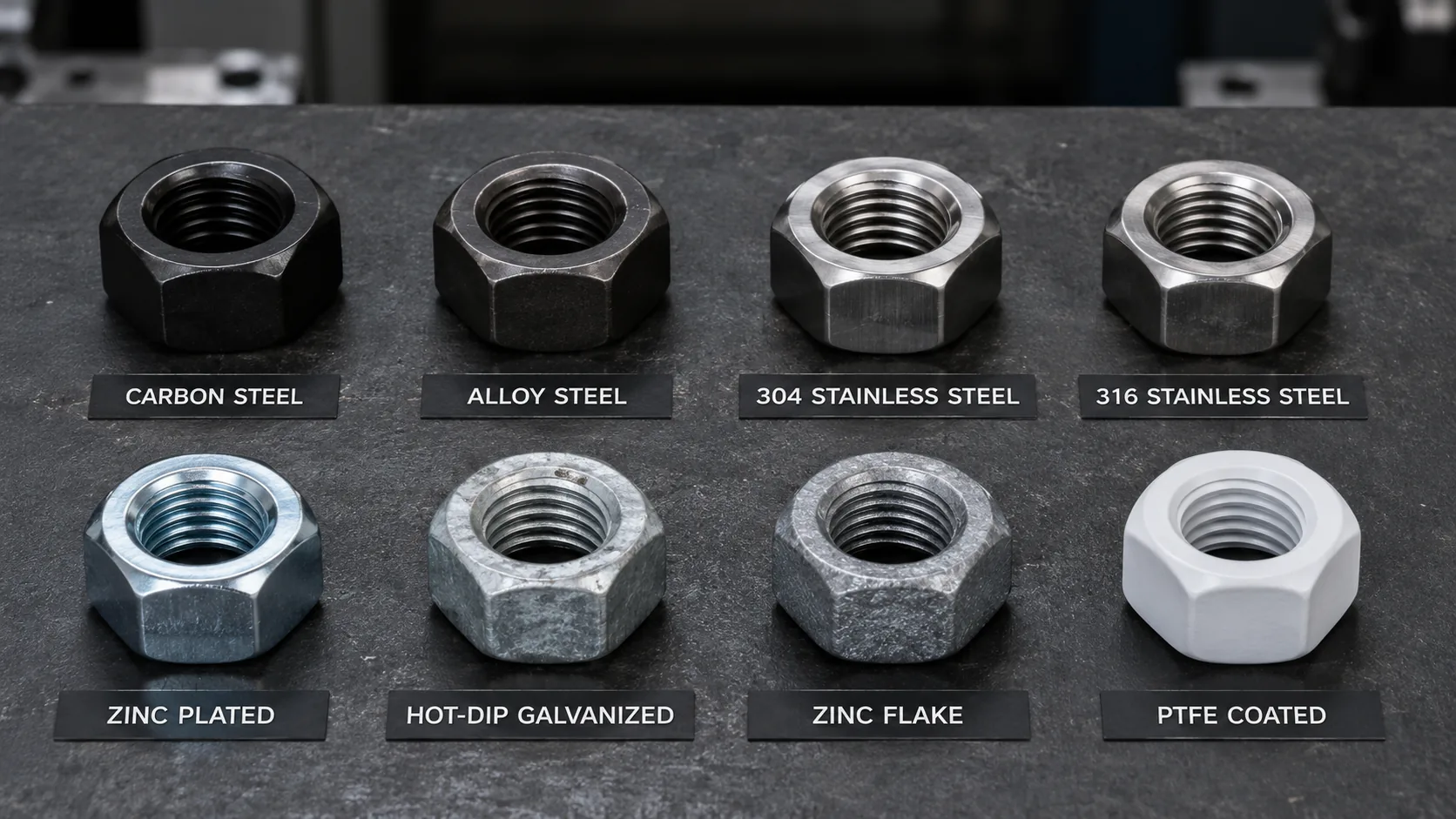
Материал и покрытие могут изменить то, как гайка определенного класса прочности ведет себя в сборке. Класс определяет механические возможности в стандартных условиях, но коррозия, трение, толщина покрытия, риск водородного охрупчивания и метод установки решают, будет ли соединение работать в полевых условиях.
Гайки из углеродистой стали
Гайки из углеродистой стали экономичны и широко используются в общем машиностроении и строительстве. Их коррозионная стойкость обычно зависит от поверхностной обработки. Без покрытия или масляной защиты коррозия может повлиять на посадку резьбы, разброс крутящего момента и разборку.
Гайки из легированной стали
Гайки из легированной стали выбирают для соединений с более высокой прочностью, где важны реакция на термообработку и нагрузка. Эти гайки требуют контролируемой термообработки, испытаний на твердость, контроля обезуглероживания и контроля процесса нанесения покрытия. Типичные семейства материалов могут включать 35CrMo, 40Cr, SCM435 или эквивалентные легированные стали в зависимости от региональных стандартов и требований заказчика.
Гайки из нержавеющей стали 304 / A2
Гайки из нержавеющей стали 304 / A2 используются для общей коррозионной стойкости в помещениях и в легких наружных условиях. Они не являются универсальным решением для морской среды или сред с высоким содержанием хлоридов. Риск заедания (galling) необходимо учитывать при монтаже, особенно в комбинации болт из нержавейки + гайка из нержавейки.
Гайки из нержавеющей стали 316 / A4
Гайки из нержавеющей стали 316 / A4 обеспечивают лучшую стойкость к хлоридам, чем 304 / A2, и часто выбираются для морских, прибрежных, сточных вод и химических сред. Компромисс — более высокая стоимость и та же необходимость контроля заедания при монтаже.
Цинкование, цинковое покрытие, горячее цинкование и покрытия из ПТФЭ
Электроцинкование распространено для недорогих применений в помещениях и при слабой коррозии. Коммерческое цинкование часто указывается в приблизительных диапазонах, таких как 5–12 мкм, но требуемая толщина и коррозионные испытания должны быть определены в RFQ. Горячее цинкование обеспечивает более надежную защиту от коррозии на открытом воздухе, но может вызвать проблемы с посадкой резьбы, если нарезка гаек и контроль не регулируются. Цинк-флэковые покрытия часто рассматриваются для высокопрочных крепежей, где существует риск водородного охрупчивания. Покрытия на основе ПТФЭ снижают трение и могут увеличить предварительную затяжку при том же крутящем моменте.
Встроенный полевой сценарий
Какая проблема возникла: Горячеоцинкованные гайки не могли свободно навинчиваться на оцинкованные болты на строительной площадке.
Почему это произошло: Требование к покрытию было указано, но допуск на резьбу и контроль калибра после покрытия не были учтены.
Реальная причина системы: Толщина цинка изменила посадку резьбы, и гайки не были проверены на совместимость с ответным болтом.
Корректирующее действие: Заменяющие гайки были поставлены с надлежащим контролем посадки резьбы.
Профилактика: Для крепежа с горячим цинкованием укажите покрытие, допуск на нарезку, контроль проходным/непроходным калибром и совместимость с ответным болтом.
Толщина покрытия, коэффициент K и риск водородного охрупчивания
Покрытие изменяет трение. Трение изменяет предварительную затяжку. Низкофрикционное покрытие, такое как PTFE, может создавать более высокую предварительную затяжку при том же крутящем моменте, чем сухое цинкование. Гальваническое покрытие высокопрочной стали может привести к риску водородного охрупчивания при слабом контроле процесса.
| Состояние сборки / финишная обработка | Типичный диапазон обсуждения коэффициента K | Риск по классу производительности | Примечание к RFQ |
|---|---|---|---|
| Сухая нелегированная сталь | Прибл. 0,20–0,30 | Высокий разброс из-за состояния поверхности и коррозии | Определение смазки и защиты при хранении |
| Сухое цинкование | Прибл. 0,18–0,25 | Риск водородного охрупчивания для высокопрочной стали при плохом контроле покрытия | Укажите толщину покрытия и, при необходимости, разгрузку |
| Легкая смазка | Прибл. 0,12–0,18 | Одинаковый крутящий момент может создать более высокую предварительную затяжку | Не копируйте значения сухого крутящего момента |
| Цинковые хлопья с контролируемым верхним покрытием | Зависит от поставщика | Трение все еще должно контролироваться | Определите верхнее покрытие и условия трения |
| Горячее цинкование | Зависит от проекта | Посадка с натягом по резьбе | Требуется контроль резьбы после нанесения покрытия |
| Покрытие PTFE / типа Xylan | Часто ниже значений сухого цинка | Более высокая предварительная затяжка при том же крутящем моменте, если не пересчитано | Подтвердите коэффициент K или данные по крутящему моменту и предварительной затяжке |
Диапазоны коэффициента K предназначены только для предварительного инженерного обсуждения. Для ответственных соединений следует использовать проверенные данные по крутящему моменту и предварительной затяжке при фактическом покрытии, шайбе, смазке и состоянии инструмента.
Таблица сравнения классов шестигранных гаек
Приведенная ниже таблица представляет собой практическое сравнение для закупок и инженерного обсуждения. Она не заменяет актуальный закупочный стандарт или чертеж проекта.
| Класс / Тип гайки | Система резьбы | Соответствующий болт | Типичное применение | Основной риск |
|---|---|---|---|---|
| Класс 5 / Класс 6 | Метрическая | Болты 4.8 / 5.8 | Легкие кронштейны и универсальные метизы | Низкая несущая способность при использовании с более прочными болтами |
| Класс 8 | Метрическая | Болты 8.8 | Машины, рамы, оборудование | Неправильное покрытие или повреждение резьбы влияет на затяжку |
| Класс 10 | Метрическая | Болты 10.9 | Высокопрочные соединения машин | Пробная нагрузка, твердость и риск водородного охрупчивания должны контролироваться |
| Класс 12 | Метрическая | Болты класса 12.9 или ответственные соединения | Высоконагруженные прецизионные соединения | Монтаж и контроль трения критичны |
| ASTM A563 Grade A | Дюймовые / по проекту | Болты пониженной/средней прочности по спецификации проекта | Общее конструкционное или механическое применение | Неверная пара или отсутствующий класс в RFQ |
| ASTM A563 Grade DH | Дюймовые / по проекту | Конструкционные болты / анкерные сборки по спецификации | Тяжелое конструкционное крепление | Несоответствие класса или неправильный тип гайки |
| Гайки для эксплуатации по ASTM A194 | Дюймовые / метрические в зависимости от заказа | Болтовые системы для высокого давления или высоких температур | Фланцы, трубопроводы, оборудование под давлением | Неправильная замена может привести к отказу при проверке документации |
| Нержавеющие гайки ASTM F594 | Дюймовая | Нержавеющие болты / шпильки, если указано | Общее применение в коррозионно-стойких средах | Неверная группа сплава или риск задира |
| A2-70 | Метрическая нержавеющая сталь | Болты из нержавеющей стали A2 | Сборки из обычной нержавеющей стали | Задир при сухой установке |
| A4-80 | Метрическая нержавеющая сталь | Болты из нержавеющей стали A4 | Морские, прибрежные, химические среды | Задир, стоимость и разброс предварительной затяжки |
Как указывать классы шестигранных гаек в запросах предложений
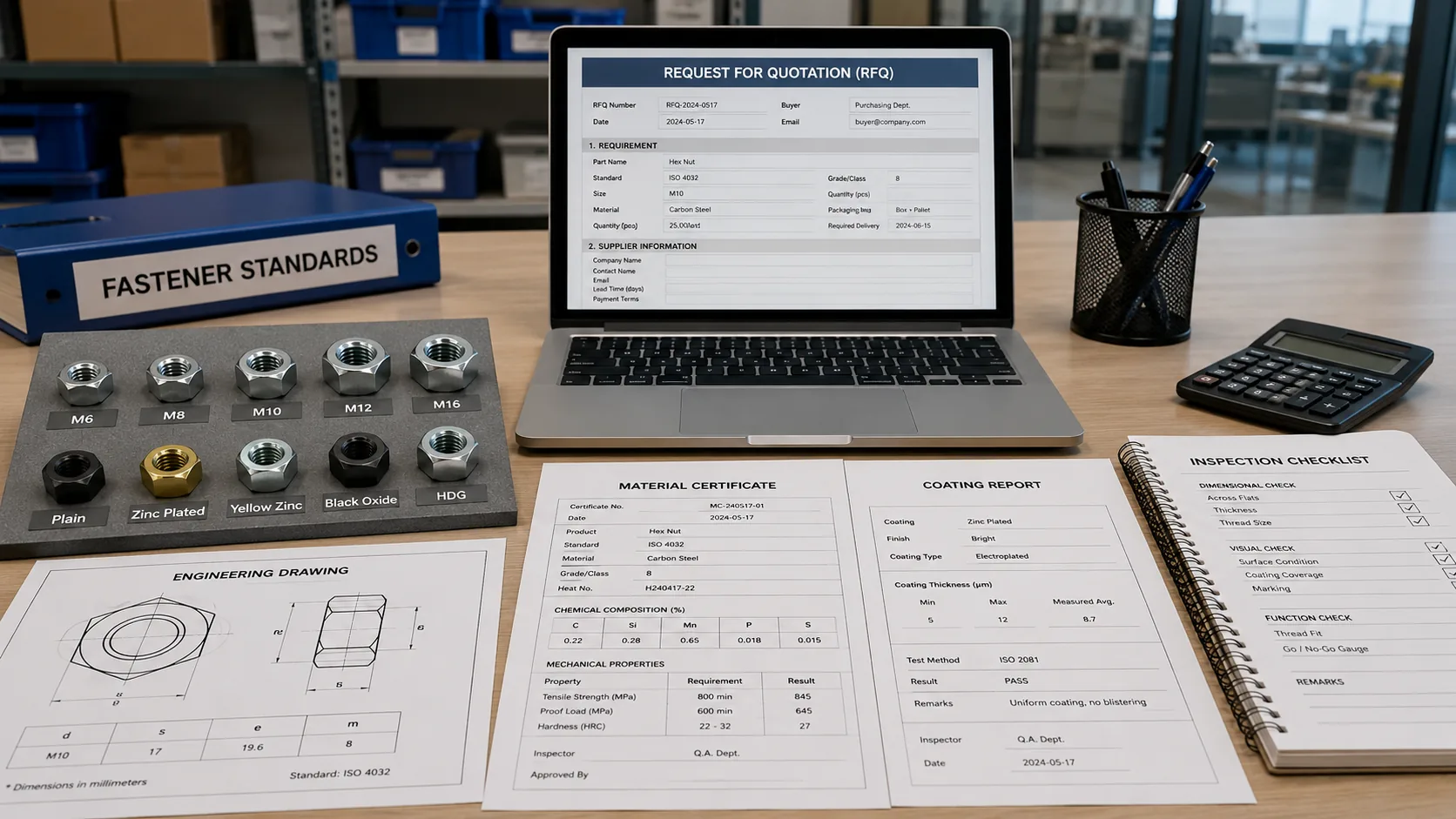
Хороший запрос предложения устраняет предположения. Он сообщает поставщику стандарт размеров, размер резьбы, шаг, класс, материал, покрытие, требования к контролю и условия эксплуатации. Это снижает количество неправильных котировок, задержек образцов, отбраковки партий и проблем при сборке на месте.
Правильный формат запроса предложения для метрических гаек ISO
ISO 4032 M12 × 1,75 класс 8 шестигранная гайка, углеродистая сталь, оцинкованная Cr3+, допуск резьбы 6H, с сертификатом материала, отчетом о твердости и контролем резьбовыми калибрами ПР-НЕ.
Правильный формат запроса предложения для дюймовых гаек ASTM
ASTM A563 класс DH тяжелая шестигранная гайка, 3/4-10 UNC, горячеоцинкованная, с отчетом о покрытии, испытанием на твердость и прослеживаемостью партии.
Распространенные ошибки в запросах предложений
- Указание только “гайка M12” без шага резьбы или класса прочности.
- Использование “Grade 8”, когда проект требует метрический класс 8.
- Указание нержавеющей стали без A2/A4, группы ASTM F594 или марки материала.
- Запрос горячего цинкования без проверки посадки резьбы.
- Игнорирование класса прочности ответного болта.
- Копирование общей таблицы моментов затяжки без учета покрытия и смазки.
- Запрос высокопрочных оцинкованных гаек без уточнения контроля водородного охрупчивания.
Вопросы поставщику перед массовым заказом
| Вопрос поставщику | Почему это важно |
|---|---|
| Какая марка болта или спецификация шпильки используется? | Подтверждает совместимость с контрольной нагрузкой гайки |
| Сборка сухая или смазанная? | Влияет на коэффициент K и окончательную затяжку |
| Какое покрытие требуется? | Влияет на коррозию, посадку резьбы, трение и риск водородного охрупчивания |
| Требуется ли испытание на контрольную нагрузку или твердость? | Определяет механическую приемку |
| Требуется ли отслеживаемость партии? | Поддерживает контроль качества и аудит заказчика |
| Используется ли гайка в конструкционных, напорных или ответственных по безопасности узлах? | Может потребовать предоставления документов по ASTM или проекту |
| Будет ли гайка собираться с болтами из нержавеющей стали? | Требует проверки на заедание и применения антисхватывающей смазки |
Призыв к действию: Если вы не уверены, что усилие затяжки гайки соответствует предварительному натяжению болта, отправьте ваш чертеж, класс болта, размер резьбы, покрытие, состояние шайбы и условия эксплуатации нашей инженерной группе по крепежу для проверки совместимости перед массовым заказом.
Контрольный список для проверки гаек шестигранных по классам
Входной контроль должен подтвердить, что поставленные гайки соответствуют запросу котировок и предполагаемому соединению. Контроль не ограничивается визуальным осмотром; класс прочности, посадка резьбы, твердость, пробная нагрузка, покрытие и документация могут влиять на эксплуатационные характеристики.
Маркировка класса прочности и визуальный контроль
Проверьте маркировку класса прочности, где это применимо, поверхностные дефекты, качество покрытия, деформацию, коррозию, заусенцы, состояние фаски и маркировку упаковки. Отсутствие маркировки не всегда является браком, в зависимости от стандарта и размера, но она должна соответствовать требованиям закупки.
Контроль резьбы калибрами
Используйте проходные и непроходные резьбовые калибры для проверки посадки резьбы, особенно после нанесения покрытия или цинкования. Для гаек, оцинкованных горячим способом, контроль калибрами — практичный способ избежать задержек при сборке на объекте.
Испытания пробной нагрузкой и на твердость
Для ответственных партий запрашивайте протоколы испытаний пробной нагрузкой и на твердость в соответствии с требуемым стандартом. Эти испытания помогают подтвердить, что материал и термообработка соответствуют заданному классу прочности.
Толщина покрытия и требование к солевому туману
Если коррозионная стойкость важна, укажите толщину покрытия, требования к испытанию в соляном тумане и критерии приемки. Одного “оцинковано” недостаточно для контролируемых B2B-закупок. Для систем электролитического цинкования, ASTM F1941/F1941M или ASTM B633 может быть применим в зависимости от детали и требований заказчика.
Прослеживаемость партии и сертификат на материал
Для OEM, конструкционных, напорных или экспортных заказов прослеживаемость партии и сертификаты на материал помогают сократить время споров при возникновении проблем с качеством. Плохая документация может увеличить время выполнения заказа, даже если сама деталь правильная.
| Пункт осмотра | Требуется для критических заказов? | Почему это важно |
|---|---|---|
| Подтверждение стандарта и марки | Да | Предотвращает отгрузку не той марки |
| Контроль резьбовым калибром | Да | Подтверждает соответствие резьбы и припуск на покрытие |
| Отчет о твердости | Часто | Проверяет термообработку и однородность марки |
| Отчет о контрольной нагрузке | Для заказов с высокой нагрузкой или по спецификации | Подтверждает нагрузочную способность |
| Отчет о толщине покрытия | Когда указано покрытие | Контролирует коррозию и помехи резьбы |
| Запись снятия водородной хрупкости | Для высокопрочных гальванизированных деталей при необходимости | Снижает риск замедленного растрескивания |
| Номер партии и MTC | Для заказов OEM / экспорт / строительные | Обеспечивает прослеживаемость и аудит качества |
| Маркировка упаковки и разделение партий | Да | Предотвращает смешивание классов 8 / 10 / ASTM |
CTA: проверка проекта
Не уверены, превышает ли предварительная затяжка болта пробную нагрузку гайки? Отправьте нам свой чертеж, класс прочности болта, размер резьбы, материал, покрытие, состояние шайбы и условия эксплуатации. Наша команда инженеров по крепежу может помочь проверить совместимость класса гайки, риск покрытия, посадку резьбы, риск задира и требования к контролю перед заказом оптовой партии.
Вы можете начать с нашего страницу запроса котировки или ознакомиться с более широким полном руководстве по шестигранным гайкам перед подготовкой вашего запроса.
Часто задаваемые вопросы о классах шестигранных гаек
Какую гайку по классу прочности следует использовать с болтами 8.8?
Для большинства метрических стальных сборок болт класса 8.8 обычно сочетается с гайкой класса 8. Для ответственных соединений также следует проверять пробную нагрузку, твердость шайбы, покрытие, смазку, длину свинчивания и метод затяжки.
Можно ли использовать гайки класса 8 с болтами 10.9?
Гайки класса 8, как правило, не являются предпочтительным выбором для болтов 10.9, где требуется полная предварительная затяжка. Обычно используется гайка класса 10, но окончательное решение должно приниматься в соответствии с чертежом, конструкцией соединения и применимым стандартом.
В чем разница между гайками класса 8 и класса прочности 8?
Класс 8 обычно относится к метрическому классу свойств ISO. Grade 8 часто используется в дюймовой терминологии крепежа, но точное значение зависит от стандарта. Не рассматривайте Class 8 и Grade 8 как взаимозаменяемые без подтверждения системы стандартов.
Что означает A2-70 на гайках из нержавеющей стали?
A2 обозначает группу нержавеющей стали, обычно ассоциируемую с нержавеющей сталью типа 304, а 70 — класс прочности. Гайки A2-70 используются для общих применений из нержавеющей стали, но при установке все равно требуют контроля задиров.
Почему срывается резьба на шестигранных гайках при затяжке?
Срыв резьбы происходит, когда несущая способность внутренней резьбы ниже приложенного усилия затяжки. Распространенные причины включают неправильный класс гайки, низкую нагрузку при испытании, недостаточное количество витков резьбы, неправильный шаг, чрезмерный крутящий момент, поврежденную резьбу или плохую термообработку.
Подвержены ли оцинкованные высокопрочные гайки риску водородного охрупчивания?
Высокопрочные гальванизированные гайки могут иметь риск водородного охрупчивания, если не контролируются процессы кислотной очистки, нанесения покрытия и отпуска. Для критических заказов укажите соответствующий стандарт покрытия, записи процесса, требование к отпуску и требование к испытаниям.
Какую информацию следует указать в запросе котировки на шестигранные гайки?
Укажите стандарт, размер, шаг, класс или класс прочности, материал, покрытие, количество, требование к сертификату, требование к контролю, упаковку, прослеживаемость партии, применение и класс сопрягаемого болта.