








الدليل الفني لحساس الأكسجين
فهم محركات تكلفة استبدال حساس الأكسجين، عوامل العمالة، خطوات التركيب الآمنة وفحوصات التوافق المطلوبة قبل الطلب.

إجابة سريعة
استبدال حساس الأكسجين يتضمن أكثر من إزالة جزء ملولب. أولاً تأكد من الدائرة المعطلة والموضع الدقيق، ثم طابق المرجع الأصلي وتقنية الحساس والموصل ومسار الكابل. تختلف التكلفة الإجمالية حسب إمكانية الوصول للمركبة ونوع الحساس والتآكل وأسعار العمالة المحلية وما إذا كان هناك عطل أساسي في الأسلاك أو العادم أو التحكم في الوقود أو المحفز يتطلب إصلاحًا أيضًا.
قبل الاستبدال: تأكد من اتجاه الإصلاح
سجل الرموز وبيانات الإطار المتجمد، حدد البنك 1 أو البنك 2 والحساس 1 أو الحساس 2، افحص مجموعة الأسلاك، وتحقق من تسرب العادم. لأعطال السخان، اختبر مصدر الطاقة والجهد الأرضي ودائرة التحكم من جانب المركبة. لرموز الاستجابة أو الخليط، قارن تصحيحات الوقود وسلوك الحساس مع معلومات الخدمة. استبدال الحساس دون هذه الفحوصات قد يترك العطل الأصلي دون تغيير.
ما الذي يغير تكلفة استبدال حساس الأكسجين؟
| عامل التكلفة | لماذا يهم |
|---|---|
| تقنية الاستشعار | الحساسات عريضة النطاق/أكسجين الهواء والوقود والتجميعات المباشرة الخاصة بالتطبيق قد تكلف أكثر من التصاميم الأساسية ضيقة النطاق. |
| موقع الوصول | حساس المشعب الذي يمكن الوصول إليه وحساس خلف الدروع أو مكونات أسفل الهيكل يتطلبان وقت عمل مختلف. |
| التآكل وحالة السن اللولبي | قد تؤدي دورات الحرارة والتآكل إلى إبطاء الفك أو تتطلب إصلاح السن. |
| تشخيص المركبة | يضيف اختبار النظام الكهربائي أو نظام العادم أو نظام الوقود وقتًا ولكنه يمنع استبدال الأجزاء غير المدعومة. |
| ضرر ذو صلة | قد يتطلب وجود حزام منصهر أو تسرب في العادم أو محفز ملوث أعمالًا إضافية. |
| سعر السوق ومعدل العمالة | تختلف قنوات قطع الغيار والضرائب وأسعار الورش حسب المنطقة. |
استخدم نطاقات التكلفة عبر الإنترنت فقط كمراجع تخطيطية. يجب أن يحدد التقدير المفيد موضع المستشعر الدقيق وأساس القطعة وبدل التشخيص وأي ظروف قد تغير العمالة.
كم من الوقت يستغرق الاستبدال؟
لا يوجد وقت عمل عالمي موثوق. الوصول، التآكل، درجة حرارة العادم، متطلبات رفع المركبة وتوجيه الموصلات كلها عوامل مهمة. قد يتطلب إجراء الخدمة إزالة الدروع أو مكونات أخرى. يجب تضمين التشخيص والتحقق من المراقبة بعد الإصلاح عند مقارنة التقديرات.
تسلسل التركيب الآمن
- اترك العادم يبرد وادعم المركبة بمعدات معتمدة.
- افصل الموصل الصحيح دون سحب الأسلاك.
- أزل المستشعر بالأداة المحددة مع حماية خيوط العادم.
- قارن بين القطع القديمة والبديلة: الخيط، السداسي، الدرع، الموصل، التشفير وطول الكابل.
- وجّه مجموعة الأسلاك بعيدًا عن الحرارة والحواف الحادة والأجزاء المتحركة.
- استخدم تعليمات عزم الربط الخاصة بالمنتج أو المركبة. لا تخترع قيمة عزم ربط عالمية.
- اتبع تعليمات المورد بشأن مانع الالتصاق؛ العديد من المستشعرات تأتي بخيوط معالجة.
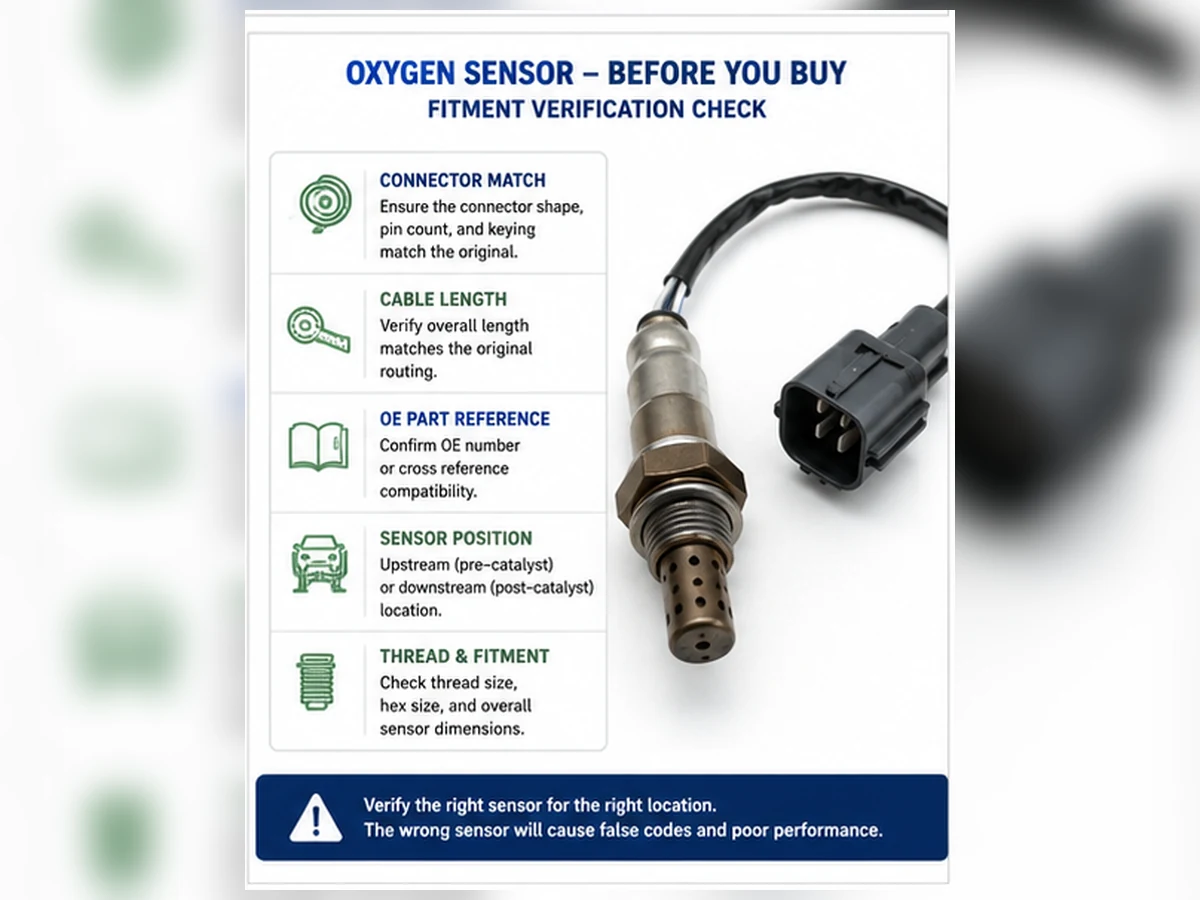
التحقق بعد الإصلاح
أعد توصيل جميع المشابك المحتجزة، وتحقق من تسرب العادم، وتأكد من بيانات المستشعر والسخان، وأكمل إجراء التحقق القانوني للشركة المصنعة. لا تفترض أن مسح الرمز يثبت الإصلاح. قد تحتاج مراقبات الجاهزية إلى ظروف تشغيل محددة قبل توفر النتيجة.
متى يكون الاستبدال الاحترافي الخيار الأفضل
استخدم فنيًا مؤهلاً عند عدم توفر معدات رفع آمنة، أو تعطل المستشعر، أو الحاجة إلى تشخيص الأسلاك، أو احتمال ارتفاع درجة حرارة المحفز، أو طلب معلومات الخدمة إجراء اختبارات متخصصة. يجب إصلاح أعطال التحكم في الانبعاثات، وليس إخفاؤها باستخدام فاصل أو محاكي أو تغيير برمجي.
حدد ما يتم استبداله بالفعل
يمكن أن يصف رمز مستشعر الأكسجين دائرة الاستشعار، أو دائرة السخان، أو معدل الاستجابة، أو إشارة غير منطقية. قد يكون الإصلاح هو المستشعر، ولكن قد يكون بدلاً من ذلك موصلًا أو مجموعة أسلاك أو فيوزًا أو تسرب عادم أو خللًا أساسيًا في خليط الهواء والوقود. اكتب اتجاه الإصلاح المقترح قبل الطلب: البنك والموضع الدقيقين، ودليل على أن دائرة جانب المركبة تعمل، ودليل على أن نظام العادم محكم، واختبار الاستجابة الذي فشل فيه المستشعر. يمنع هذا السجل افتراضًا تشخيصيًا من أن يصبح طلب قطع غير مدعوم.
| العثور | اتجاه الإصلاح المحتمل | لا يزال الدليل مطلوبًا |
|---|---|---|
| لا يوجد مصدر طاقة من جانب المركبة للسخان | تشخيص الفيوز أو الأسلاك أو وحدة التحكم | الرسم التخطيطي الصحيح، واختبار الجهد المحمل والأرضي/التحكم |
| تظل الإشارة منحازة بعد فحص الخليط والدائرة | قد يكون استبدال الحساس مبررًا | إجراء الاستجابة الخاص بالتقنية وظروف التشغيل |
| تغير مؤشر الخليط الخفيف بعد إصلاح تسرب السحب | إصلاح تسرب الهواء | التحقق من تصحيح الوقود واستجابة الحساس |
| P0420/P0430 مع تشغيل حساس معقول | مواصلة تشخيص نظام المحفز | تقييم الاشتعال غير المنتظم والتحكم في الوقود وتسرب العادم والمحفز |
كيفية مقارنة تقديرات الاستبدال
قد لا يصف السعر المنخفض والسعر المرتفع نفس العمل. اسأل ما إذا كان التقدير يشمل التشخيص، والحساس المباشر المناسب تمامًا، وأعمال الوصول، ومخاطر إعادة اللولبة، وتصحيح تسرب العادم، والتحقق من المراقبة بعد الإصلاح. تختلف الضرائب والأسعار المحلية أيضًا. لا توفر هذه الصفحة نطاقًا سعريًا عالميًا لأن النطاق المنفصل عن المركبة والموضع والسوق قد يكون مضللاً أكثر من كونه مفيدًا.
هوية القطعة في التقدير
يجب أن يحدد التقدير أساس رقم القطعة وما إذا كانت في المنبع أو المصب، ضيقة النطاق أو عريضة النطاق، مباشرة أو عالمية. المرجع التبادلي الأصلي هو تعيين مرشح، وليس دليلًا على التوافق حتى يتم التوفيق مع بيانات المركبة والانبعاثات الكاملة. إذا كان السعر يقول فقط “حساس أكسجين”، فإن النطاق غير مكتمل.
العمالة التشخيصية وعمالة الوصول
يحدد وقت التشخيص ما إذا كان الاستبدال مبررًا. قد تشمل عمالة الوصول الدروع أو الأغطية السفلية أو عمليات أخرى خاصة بالتطبيق. يمكن للحساس المتآكل زيادة وقت الإزالة وخلق حاجة لاستعادة اللولبة. يجب على المصلح شرح الاحتمالات دون الوعد بأن كل جزء متآكل سينفصل بشكل طبيعي.
التحقق بعد التركيب
يتضمن التقدير الكامل فحص التسرب، وفحوصات الدائرة والبيانات الحية، وإجراء المراقبة المناسب. ضوء التحذير الذي يتم مسحه يدويًا ليس دليلاً على نجاح المراقبة. قد تبقى الرموز الدائمة حتى تلاحظ وحدة التحكم نتيجة مراقبة ناجحة.
مسارات التركيب المباشر والعالمي
| نقطة القرار | حساس تركيب مباشر | حساس توصيل عالمي |
|---|---|---|
| موصل | موصل التطبيق مزود | مطلوب إجراء معتمد لنقل الموصل أو إنهائه |
| الخطر الرئيسي | تطبيق أو موضع أو توجيه كابل خاطئ | تحديد دائرة خاطئ أو جودة توصيل أو إغلاق بيئي |
| قاعدة التركيب | لا تقطع أو تعدل مجموعة الأسلاك ذات التركيب المباشر | اتبع تعليمات الشركة المصنعة للحساس بدقة |
| إثبات الاختيار | تطابق الكتالوج المعتمد وبيانات التطبيق/المعدات الأصلية | تقنية معتمدة، توافق الدائرة وطريقة التوصيل المعتمدة |
العالمي لا يعني التوافق مع كل مركبة. ألوان الأسلاك ليست معيارًا عالميًا للدبابيس. إذا لم يمكن تحديد الدائرة بشكل مؤكد من تعليمات موثوقة، توقف بدلاً من التجربة على دائرة التحكم في الانبعاثات.
إدارة مخاطر الإزالة والسن اللولبي
تبريد المركبة ودعمها
يمكن لمكونات العادم أن تسبب حروقًا خطيرة. اسمح بتبريد كافٍ واستخدم نقاط الرفع المعتمدة أو الحوامل أو معدات الرفع الاحترافية. الرافعة وحدها ليست دعمًا آمنًا. رتب الإضاءة والوصول للأدوات قبل تطبيق القوة بحيث تبقى مجموعة الأسلاك والخطوط المجاورة وموصل الحساس محمية.
احمِ الحلمة والجزء المحيط من العادم
استخدم الأداة وطريقة الوصول المحددة للتطبيق. القوة المفرطة أو الصدمة أو الحرارة غير المنضبطة يمكن أن تتلف السدادة أو مجمع التوزيع أو غلاف المحفز أو المكونات المجاورة. إذا بدأت الخيوط في الالتصاق أو تحركت السدادة، فقد تغيرت المهمة من استبدال روتيني إلى إصلاح نظام العادم ويجب إعادة تقييمها.
اتبع تعليمات المنتج بخصوص مركب الخيوط وعزم الربط.
تصل بعض أجهزة الاستشعار البديلة بخيوط معالجة. إضافة المزيد من المركب يمكن أن تلوث عنصر الاستشعار أو تغير سلوك الربط. يعتمد عزم الربط على المستشعر والتطبيق؛ استخدم مواصفات المنتج أو المركبة، وليس قيمة منسوخة من جزء مختلف.
توجيه الحزمة هو جزء من الإصلاح
طابق مواقع المشابك الأصلية وتخفيف الإجهاد. يجب أن يظل الكابل بعيدًا عن العادم والأعمدة والتوجيه والتعليق والحواف الحادة عبر نطاق الحركة الكامل. لا تمد كابلًا قصيرًا أو تترك كابلًا طويلًا غير مدعوم. تأكد من قفل الموصل واستقرار الطرف بدلاً من الاعتماد على نقرة مسموعة فقط.
مصفوفة التحقق بعد الاستبدال
| فحص | دليل النجاح | ما يشير إليه العطل |
|---|---|---|
| التركيب الفيزيائي | لا تسرب، موصل آمن، مشابك صحيحة وخلوص حراري | مشكلة في الخيط أو الختم أو التوجيه أو الموصل |
| دائرة السخان | مشكلة في الإمداد/التحكم المحدد والتيار أو المقاومة المحتملة | مشكلة في دائرة المركبة أو الموصل أو الجزء الجديد |
| استجابة الحساس | استجابة خاصة بالتقنية في ظروف التشغيل الصالحة | جزء خاطئ، خلل في الخليط غير محلول، تسرب أو مشكلة في الحساس |
| التحكم في الوقود | تعديلات الوقود والحالة المطلوبة معقولة | السبب الجذري لا يزال في الهواء أو الوقود أو الإشعال أو الميكانيكي |
| نتيجة المراقب | يكتمل المراقب المطبق دون عودة العطل | يتطلب التشخيص أو الإصلاح مراجعة إضافية |
سجل القيم قبل وبعد. إذا عاد نفس الرمز، لا تستبدل الأجزاء بشكل متكرر. أعد فتح مسار الاختبار الأصلي، وتحقق من الموضع الفعلي وتحقق مما إذا كانت دائرة مشتركة أو حالة نظام غير محلولة قد تم تفويتها.
سيناريو مركب: الاستبدال لا يصلح فقدان طاقة السخان
سيناريو هندسي مركب: يؤدي رمز سخان المستشعر النهائي إلى استبدال المستشعر فورًا. يعود الرمز لأن مجموعة الأسلاك التالفة فتحت مصدر الطاقة المحمي. اختبار الدائرة المحملة، وإصلاح مجموعة الأسلاك واستعادة التوجيه الآمن للحرارة يصحح الحالة. يجمع هذا السيناريو بين أنماط التشخيص الشائعة؛ إنها ليست حالة عميل أو اختبار منتج لشركة Sunhyings.
التحقق من التلوث وتكرار العطل
يمكن للمستشعر الذي تمت إزالته أن يحمل دليلاً على مشكلة نظام أخرى. يمكن أن يصاحب السخام الثقيل التشغيل الغني أو الاختلال في الاحتراق؛ يمكن أن تشير الرواسب الزيتية إلى استهلاك الزيت؛ يمكن أن تشير الرواسب المرتبطة بسائل التبريد إلى تسرب داخلي؛ يمكن لمنتجات السيليكون غير المناسبة أن تسمم بعض عناصر الاستشعار. المظهر وحده ليس تشخيصًا كاملاً، ولكن استبدال مستشعر ملوث دون العثور على المصدر يمكن أن يعرض الجزء الجديد والمحفز لنفس الحالة.
وثق الرواسب بصور واضحة، وراجع استهلاك الزيت وسائل التبريد، وافحص تشغيل الوقود والإشعال واتبع إجراءات المركبة. لا تنظف عنصر استشعار بالمذيبات أو المواد الكاشطة ما لم تقدم الشركة المصنعة هذه الطريقة صراحةً. معظم محاولات التنظيف الميدانية لا يمكنها استعادة الاستجابة المعايرة وقد تخلق سلوكًا مضللاً على المدى القصير.
بناء خطة عمل استبدال قبل فك الحساس
تحدد خطة الاستبدال عالية الجودة سبب تغيير الجزء، وأين يتم تركيبه، وكيف سيتم إنشاء الوصول، وما يمكن أن يتلف أثناء الإزالة وكيف سيتم التحقق من الإصلاح. يمنع هذا الموقف الشائع الذي يتم فيه إزالة المستشعر القديم قبل التوفيق بين الموصل الجديد أو طول السلك أو التقنية.
| عنصر التخطيط | المعلومات المطلوبة | لماذا يغير التكلفة أو المخاطرة |
|---|---|---|
| أساس التشخيص | فشل اختبار الدائرة أو الاستجابة وفحص الأسباب المنافسة | التشخيص الخاطئ يسبب تكرار العمل وقد يتلف المحفز |
| الموضع الدقيق | رقم البنك والحساس والموقع في تدفق العادم | الوصول وهوية القطعة قد تختلفان على نفس المركبة |
| تقنية الاستشعار | نظام ضيق النطاق أو تيتانيا أو عريض النطاق / نسبة الهواء إلى الوقود | التحكم في التوافق الكهربائي وطريقة التحقق |
| طريقة الوصول | نقاط الرفع، الدروع، الأدراج السفلية والمكونات المجاورة | العمالة والسلامة تعتمدان على الوصول الفعلي |
| حالة التآكل | حالة الخيط، السدادة، المجمع والعادم المحيط | الخيوط الملتصقة قد تحول الاستبدال إلى إصلاح للعادم |
| مسار مجموعة الأسلاك | موقع الموصل، المشابك، الخلوص الحراري والحركة | يمكن لسلك بطول خاطئ أن يذوب أو يتمدد أو يلامس الأجزاء المتحركة |
| مراقبة ما بعد الإصلاح | ظروف التشغيل المطلوبة وعملية التحقق القانونية | مسح رموز الأعطال وحده لا يثبت نجاح الإصلاح |
نموذج التكلفة المفيد يتضمن أكثر من القطعة والعمل
نطاقات الأسعار المنشورة واسعة لأنها تجمع بين مركبات مختلفة، مواقع، تقنيات استشعار، أسواق عمل ونطاقات إصلاح. مستشعر عريض النطاق مباشر التركيب في حجرة محرك ضيقة ليس نفس مهمة مستشعر ضيق النطاق سفلي التدفق سهل الوصول. بدلاً من تقديم إجمالي واحد شامل، قارن التقديرات باستخدام نفس النطاق.
| مكون التكلفة | أسئلة لطرحها | تحذير المخاطر المستثناة |
|---|---|---|
| التشخيص | ما هي الاختبارات التي تدعم الاستبدال وهل النتائج موثقة؟ | قراءة الكود المجانية ليست تشخيصًا مكتملاً |
| قطعة استبدال | ما هو المرجع الأصلي (OE)، الموضع، التقنية وأساس الضمان؟ | “لا يحدد ”حساس الأكسجين" القطعة |
| تكلفة العمالة الإضافية | هل تشمل الإزالة الواقيات، الأغطية السفلية أو القطع الخاصة بالتطبيق؟ | التقدير المنخفض قد يفترض وصولاً مثالياً |
| احتمالية التآكل | كيف يتم التعامل مع الخيوط المحشورة أو السدادة التالفة؟ | لا يمكن لأي ورشة أن تعد بأن كل حساس متآكل سيخرج نظيفًا |
| إصلاح ذو صلة | هل الأسلاك أو تسرب العادم أو الأعطال الجذرية منفصلة؟ | لا يمكن لاستبدال الحساس إصلاح تلك الظروف |
| التحقق | هل البيانات الحية وفحوصات التسرب واكتمال المراقبة مشمولة؟ | إطفاء الضوء ليس مثل اجتياز المراقبة |
| الضرائب والشحن | هل تشمل الضرائب والشحن وخدمة النقل أو استعادة المركبة؟ | نادرًا ما يمثل سعر القطعة عبر الإنترنت التكلفة الإجمالية للعمل |
افحص البديل قبل أن يصبح الجزء القديم القالب
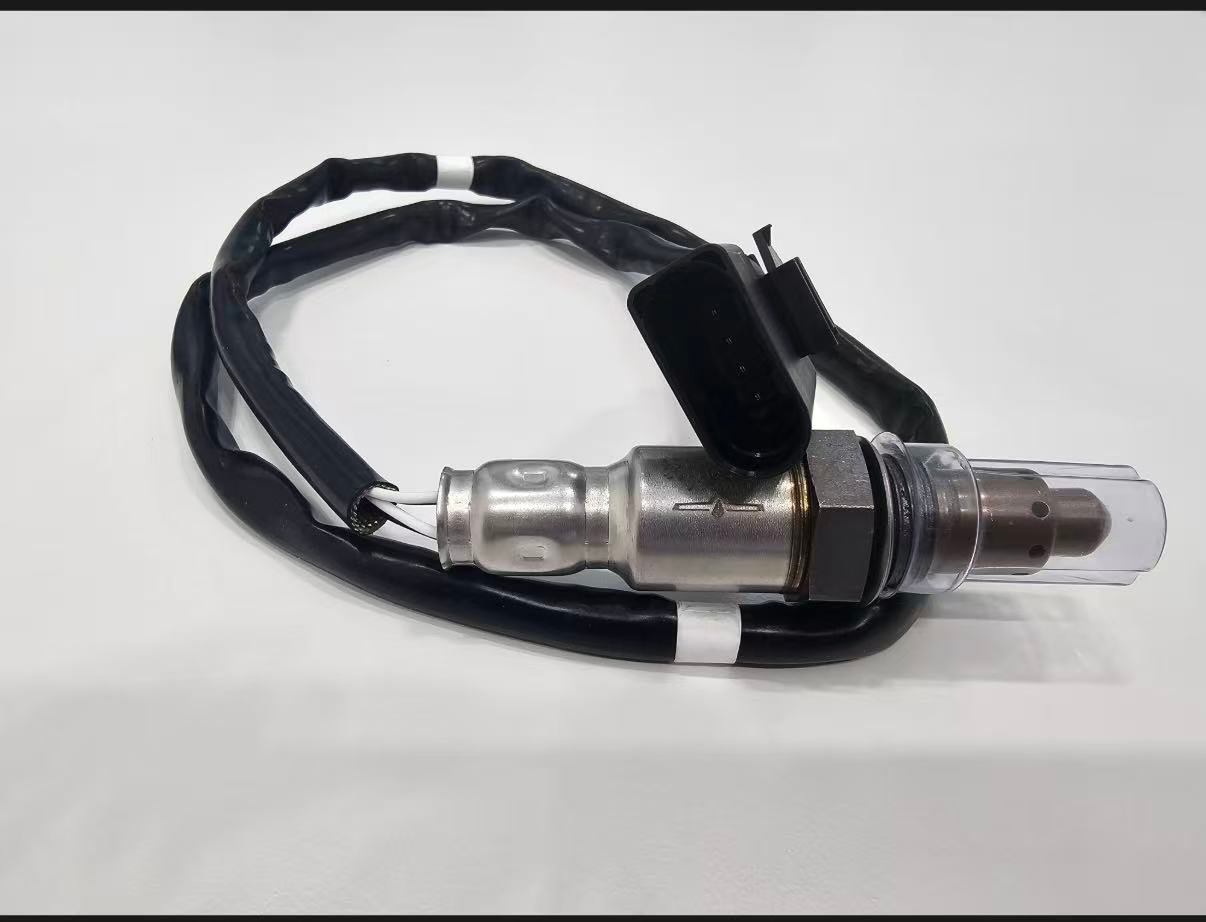
حافظ على نظافة كلا الجزأين وقارنهما قبل التركيب. استخدم سجل التطبيق الموثوق كمرجع، ثم استخدم المقارنة الفعلية لاكتشاف أي تعارض في الكتالوج أو التعبئة. لا تفترض أن الحساس الجديد صحيح لمجرد أن بداية السن اللولبي أو غلاف الموصل يبدو مشابهًا.
| الميزة | المقارنة | حالة الرفض أو الإيقاف |
|---|---|---|
| هوية القطعة والملصق | جزء مورد، مرجع المعدات الأصلية، مراجعة وعبوة | جزء غير مميز أو تعارض في الملصق |
| تقنية الاستشعار | الكتالوج والمواصفات الكهربائية | مختار بعدد الأسلاك أو المظهر فقط |
| السن اللولبي والمقعد | القطر، الميل، المقعد وواجهة التركيب | المقاومة، عدم تطابق الكتف أو الختم |
| هندسة الدرع | الطول، الفتحات والخلوص | ملامسة العادم أو تعارض التطبيق |
| موصل | الغلاف، المفاتيح، القفل، المسامير وتخطيط الأطراف | التعشيق القسري، المفاتيح المعدلة أو تعارض المسامير |
| الكابل | الطول، العزل، تخفيف الإجهاد والمشابك | التمدد، الحلقة غير المدعومة أو تداخل الحرارة/الحركة |
| معالجة الخيوط | تعليمات المنتج والحالة الموردة | إضافة مركب مخالف للتعليمات أو تلويث الدرع |
تسلسل الإزالة ونقاط القرار
- الحفاظ على الأدلة. تسجيل الرموز، الإطار المجمد، حالة الاستعداد، البيانات الحية والموضع المحدد قبل فقدان الطاقة أو المسح.
- التبريد والدعم. السماح للعادم بالتبريد ودعم السيارة في النقاط المعتمدة باستخدام معدات مصممة للسيارة.
- فصل دون سحب السلك. تحرير قفل الموصل والمشابك باستخدام طريقة الخدمة. فحص الأطراف وملاحظة التوجيه.
- اختيار الوصول المتحكم به. استخدم مقبس الحساس أو المفتاح الصحيح وتجنب القوة غير المسيطر عليها على مجمع التوزيع أو غلاف المحفز أو السدادة.
- توقف إذا تغير الوصلة. إذا تحركت السدادة أو تعرضت الخيوط للخدش أو تشقق العادم المحيط، فأعد التقييم كإصلاح عادم بدلاً من إكمال القوة.
- افحص الأدلة المستخرجة. صور الرواسب وقارن الهوية، لكن لا تدّع أن المظهر وحده يثبت السبب الجذري.
- قم بالتركيب وفقًا للتعليمات الدقيقة. اتبع إرشادات عزم الربط ومركب الخيوط الخاصة بالمنتج أو الشركة المصنعة للمعدات الأصلية؛ لا توجد قيمة عامة مقدمة هنا.
- أعد توجيه المسار. أعد تركيب كل درع حراري ومشبك، واحتفظ بمخفف الإجهاد وتحقق من الخلوص عبر حركة المكون.
التحقق بعد التركيب جزء من الاستبدال
| خطوة التحقق | دليل النجاح | إذا فشل ذلك |
|---|---|---|
| فحص بصري وفحص التسرب | الموضع الصحيح، تأمين الموصل، إعادة تركيب المشابك وإحكام العادم | التركيب الصحيح قبل تفسير البيانات |
| دائرة السخان | التغذية/التحكم المحدد وسلوك التسخين المعقول | إعادة فحص دائرة المركبة والموصل وهوية القطعة |
| استجابة الحساس | استجابة صحيحة تقنيًا في ظل ظروف صالحة | فحص القطعة الخاطئة، أو الخليط غير المعالج، أو التسرب، أو خطأ الدائرة |
| التحكم في الوقود | حالة التشذيب والحالة المأمورة معقولة لظروف التشغيل | متابعة تشخيص الهواء أو الوقود أو الإشعال أو الميكانيكا |
| مراقبة الاكتمال | يعمل المراقب المطبق دون عودة العطل | مراجعة مسار الاختبار الأصلي؛ لا تغيير الأجزاء بشكل متكرر |
| فحص الطريق والسلامة | لا تلامس في الأسلاك أو ضجيج عادم أو قلق جديد في القيادة | إيقاف وتصحيح التركيب الفيزيائي أو العطل غير المحلول |
حالة الأجزاء المركبة: العائلة صحيحة، موضع العادم خاطئ
سيناريو هندسي مركب: قائمة عبر الإنترنت تجمع بين حساسين تحت طراز وسنة واحدة. القطعة المطلوبة تشترك في حجم السن والموصل المشابه ولكن لها سلك أقصر ومواقع مشابك مختلفة. بدلاً من تمديد الكابل، يتحقق المثبت من المحرك وتكوين الانبعاثات وموضع البنك/الحساس ويجد أن القائمة ربطت موضع العادم الآخر. يتم تصحيح الطلب قبل التركيب.
التكلفة التي تم تجنبها غير محددة كمياً لأنه لم يتم توفير بيانات طلب حقيقية. الدرس المستفاد من القرار واضح: يجب أن يتطابق توافق الكتالوج والواجهة المادية والموضع الدقيق. هذا سيناريو مركب، وليس ادعاءً حول شحنة من Sunhyings.
حالة الإصلاح المتكرر للمركب: مصدر التلوث لا يزال نشطًا
سيناريو هندسي مركب: يتم استبدال حساس بطيء الاستجابة، لكن القطعة الجديدة تطور لاحقاً رواسب مماثلة ومخاوف استجابة. يكشف المراجعة عن استهلاك مستمر لسائل التبريد لم يكن مشمولاً في نطاق الإصلاح الأصلي. يتم تشخيص حالة المحرك وتصحيحها قبل اتخاذ قرار بشأن حساس آخر والمحول الحفاز.
يمكن أن يوفر الحساس المُزال دليلاً، لكن لون الرواسب ليس تحليلاً كيميائياً كاملاً. الزيت وسائل التبريد والتشغيل الغني ومانعات التسرب غير المناسبة يمكن أن تؤثر على الحساسات والمحولات الحفازة. وثق الاستهلاك وأدلة المحرك، وصحح المصدر واتبع إرشادات الخدمة. هذا السيناريو مركب ولا يعني فترة فشل عالمية.
سجل الإصلاح ليتم التحقيق في مطالبة مستقبلية
- رقم VIN أو YMME الكامل وتكوين المحرك والانبعاثات المستخدم للاختيار
- موضع البنك/الحساس الدقيق وأساس مرجعي متحقق منه من المعدات الأصلية أو مرجع متقاطع خاضع للرقابة
- رقم قطعة المورد وملصق العبوة ورقم الدفعة/التاريخ وسجل الشراء
- الأكواد وإطار التجميد والاختبارات التشخيصية قبل الاستبدال
- صور الموصل، الجزء القديم، الجزء الجديد، ومسارات التركيب المثبتة
- مصدر عزم الربط/معالجة الخيوط وأي تعقيد في الوصول أو الخيوط
- نتائج الدائرة، الاستجابة، التحكم في الوقود، والمراقبة بعد الإصلاح
قرار الاستبدال المباشر مقابل الاستبدال الشامل
يشتمل المستشعر ذو التركيب المباشر على موصل خاص بالتطبيق ويجب اختياره من بيانات التطبيق الموثقة. لا تقطع مجموعة الأسلاك الخاصة به للتغلب على موصل أو طول سلك خاطئ. يتطلب المستشعر العام طريقة معتمدة من الشركة المصنعة لتحديد وربط الدوائر الصحيحة مع الحفاظ على الختم البيئي ومقاومة الحرارة. العام لا يعني أن معايرة واحدة أو توزيع دبابيس واحد يناسب كل مركبة.
| منطقة القرار | مسار التركيب المباشر | المسار العام | شرط التوقف |
|---|---|---|---|
| إثبات التطبيق | مطابقة الكتالوج الحالية للمركبة والموضع المحدد | توافق مُتحقق منه للتقنية والدائرة | معروف فقط عدد الأسلاك أو السن اللولبي |
| موصل | الموصل المزود بمفتاح توجيه يتعشق دون تعديل | تعليمات معتمدة للإنهاء أو نقل الموصل | مفتاح قسري أو تخطيط دبابيس مُخمّن أو وصلة ملتوية/ملفوفة بشريط |
| سلك توصيل | الطول الصحيح ومسارات التوجيه وفق الطراز الأصلي | الطول والعزل مناسبين للمسار المعتمد | الرصاص ممتد أو غير مدعوم بالقرب من العادم/الحركة |
| سجل التركيب | سجل القطعة والتطبيق | سجل القطعة وخريطة الدائرة وطريقة التوصيل والإغلاق | لا يوجد مصدر تعليمات قابل للتتبع |
| الفحص التنظيمي | وظيفة الانبعاثات المصممة محفوظة | الوظيفة المصممة محفوظة وفق القواعد المعمول بها | أي تجاوز أو محاكاة أو تعطيل للمراقبة |
تحليل رمز متكرر دون افتراض فشل الجزء الجديد
إذا عاد نفس الكود، قارن الأدلة قبل وبعد. العودة الفورية لدائرة السخان تشير بقوة إلى مشكلة غير محلولة في الدائرة أو جزء خاطئ أو مشكلة في الموصل أكثر من الشيخوخة الطبيعية للحساس. الكود الاستجابي أو خليط الوقود الذي يعود فقط تحت حمل معين قد يتطلب إعادة اختبار التسرب أو الوقود أو المحرك. الكود المختلف يمكن أن يشير إلى حالة متغيرة وليس إلى فشل نفس الإصلاح.
| نمط العودة | المراجعة الأولى | الأدلة على المنتج للحفاظ عليها |
|---|---|---|
| يعود الكود فورًا عند تشغيل المفتاح أو في البرودة | هوية الجزء، توزيع الدبابيس، الدائرة المفتوحة/القصيرة ودائرة السخان | العبوة، الدفعة، المقاومة/التيار وصور الموصل |
| يعود الكود فقط عند السخونة | حركة مجموعة الأسلاك المتعلقة بالحرارة، تسرب العادم وسلوك الدائرة | قراءات التوجيه المثبت، الخلوص والحالة الساخنة |
| شكوى التحكم في الوقود لا تزال قائمة | التشخيص الأصلي للهواء/الوقود/الإشعال/الميكانيكا | بيانات الاستجابة وقيم تصحيح الوقود قبل وبعد |
| يظهر رمز المحول الحفاز الجديد | مسار الخليط، الاشتعال الخاطئ، التلوث، العادم والمحول الحفاز | تحديد الجزء الصحيح في المنبع/المصب وموضعه |
| تلف مادي أو ذوبان الرصاص | التوجيه، المشابك، حركة العادم وطول التطبيق | صور كاملة بعد التركيب، وليس فقط الجزء المتضرر |
يجب أن يحافظ الاستبدال على مراقبة الانبعاثات
استبدال الحساس لا يعتبر مكتملاً إذا تم تعديل الأسلاك لإخفاء إشارة، أو نقل الحساس خارج تيار العادم، أو استخدام برنامج لتعطيل المراقب. الفواصل، ومزيلات العوادم، والمحاكيات، وأجهزة الحذف يمكن أن تخفي الأدلة دون تصحيح المحرك أو الدائرة أو المحفز وقد تخالف قانون الانبعاثات. استخدم قطعة قانونية واستعد التكوين التصميمي الأصلي.
لا تعد بأي حساس واحد سيجعل المركبة تجتاز الفحص. نتيجة الفحص تعتمد على المركبة الكاملة، والجاهزية، واللوائح المعمول بها، وإجراءات الاختبار. الوعد الدفاعي أضيق: توفير هوية القطعة المؤكدة، وتركيبها بشكل صحيح، وتصحيح السبب الجذري المشخص، وتوثيق التحقق على مستوى المراقب.
ثلاثة نطاقات تقدير لا ينبغي مقارنتها كعمل واحد
الأمثلة أدناه مقارنات نطاق، وليست عروض أسعار وليست سجلات خدمة لشركة Sunhyings. إنها توضح لماذا لا يمكن تحويل سعر الحساس عبر الإنترنت إلى تكلفة تركيب واحدة موثوقة.
بديل مباشر يمكن الوصول إليه في اتجاه مجرى العادم
التشخيص يحدد عنصر تسخين مفتوح داخل الحساس السفلي الدقيق بعد نجاح فحوصات الإمداد والتحكم المحملة. الموصل والفتحة الملولبة يمكن الوصول إليهما، والتآكل محدود، والبديل قطعة مباشرة مؤكدة. يمكن أن يكون التقدير ضيقًا، لكن يجب أن يشمل الدعم الآمن، واستعادة التوجيه، وفحص التسرب، والتحقق من السخان/المراقب.
استبدال عريض النطاق المقيد في المنبع
يقع مستشعر نسبة الهواء إلى الوقود في المنبع خلف دروع ذات وصول محدود للموصل. يتطلب التشخيص بيانات خاصة بالتقنية، وقد يتطلب الوصول إزالة مكونات محددة حسب التطبيق. يمكن أن يختلف سعر القطعة ووقت التشخيص وتكلفة الوصول عن مهمة المصب حتى على نفس المركبة. افتراض عام بـ“ساعة واحدة لمستشعر O2” ليس دليلاً.
مستشعر متآكل مع خطر البنج
يظهر المستشعر والعادم المحيط به تآكلًا شديدًا. تحدد الورشة ما يتضمنه الإزالة الروتينية وما يحدث إذا تعطلت الخيوط أو تحرك البنج أو تشقق العادم. هذا الاحتمال ليس رسومًا تلقائية؛ إنه فرع معلن في نطاق العمل. تفويض الفرع قبل القوة غير المنضبطة يحمي كلا الطرفين.
ما يجب أن يطلبه المشتري المحترف من مصدر الاستبدال
| طبقة الأدلة | سجل مفيد | يدّعي أنه يدعم | يدّعي أنه لا يدعم بمفرده |
|---|---|---|---|
| بيانات التطبيق | تحديد خاضع للرقابة لـ OE/YMME/المحرك/الانبعاثات/الموضع مع المراجعة | أساس اختيار الكتالوج | تشخيص المركبة أو قابلية التبادل العامة |
| هوية المنتج | رسم/مواصفات للتكنولوجيا والموصل والسلك والخيط والدرع | واجهة استبدال محددة | الأداء في كل مركبة مرجعية متقاطعة |
| التحقق | نتائج كهربائية واستجابة وحرارية واهتزازية وإحكام محددة | خصائص مختبرة للعينات المحددة | جميع الإنتاج المستقبلي دون مراقبة التغيير |
| مراقبة الإنتاج | خطة الفحص، اختبارات نهاية الخط وسجلات القياس | كيفية التحكم في الخصائص المحددة | صفر عيوب أو معدل فشل مفتعل |
| إمكانية التتبع | ربط مراجعة القطعة، الدفعة/التاريخ والشحنة | القدرة على التحقيق في مطالبة | سبب شكوى ميدانية دون دليل من المركبة |
| شهادة الجودة | المُصدر، الكيان القانوني، الموقع، النطاق، المعيار والصلاحية | نطاق نظام الإدارة المذكور في الشهادة | موافقة الجزء، علاقة OEM أو التوافق الدقيق |
يمكن لشركة Sunhyings مراجعة طلبات المعدات الأصلية/التطبيقات والموضع والكمية ومتطلبات الموافقة المقدمة لتقييم جدوى التوريد. تظل التوفر الفعلي والملاءمة والسعر والحد الأدنى لكمية الطلب والمهلة الزمنية والشهادة خاصة بالمشروع حتى يتم تأكيدها. يسمح هذا الحد للصفحة بدعم استفسار تجاري دون تحويل أدلة المورد الداخلية إلى وعد عام غير مدعوم.
قم بإعداد طلب تركيب أو توريد
أرسل رقم OE، السنة/الماركة/الموديل، المحرك أو تفاصيل VIN، السوق وحزمة الانبعاثات، موضع البنك/الحساس بالضبط، صور الموصل والقطعة القديمة، الكمية وأي متطلبات تغليف أو موافقة. ستراجع Sunhyings البيانات المقدمة من حيث القدرة وجدوى التوريد؛ لا يتم تأكيد التركيب حتى يتم مطابقة دليل التطبيق.
الأسئلة المتكررة
كم تكلفة استبدال حساس الأكسجين؟
يعتمد السعر الإجمالي على نوع الحساس الدقيق والتقنية وطريقة الوصول والتآكل والتشخيص والعمالة المحلية والأعطال ذات الصلة. احصل على تقدير مرتبط بالمركبة وموقع الحساس.
كم من الوقت يستغرق استبدال حساس الأكسجين (O2)؟
يؤدي الوصول والتآكل إلى اختلافات كبيرة. قم بتضمين التشخيص والتحقق بعد الإصلاح بدلاً من مقارنة وقت الإزالة فقط.
هل أحتاج إلى فصل البطارية؟
اتبع إجراءات خدمة المركبة. تختلف المتطلبات، وقد يؤدي فصل الطاقة إلى مسح القيم المُتعلمة أو يتطلب إجراءات إعادة ضبط أخرى.
هل يجب تطبيق مانع الالتصاق على حساس جديد؟
اتبع تعليمات الحساس والمركبة. تصل العديد من الحساسات الجديدة بخيوط معالجة، وقد يؤدي المركب الزائد إلى تلويث عنصر الاستشعار.
هل سينطفئ ضوء فحص المحرك فورًا؟
ليس دائمًا. يجب تصحيح العطل ويجب أن يعمل جهاز المراقبة تحت الظروف المطلوبة. مسح الكود وحده لا يتحقق من الإصلاح.