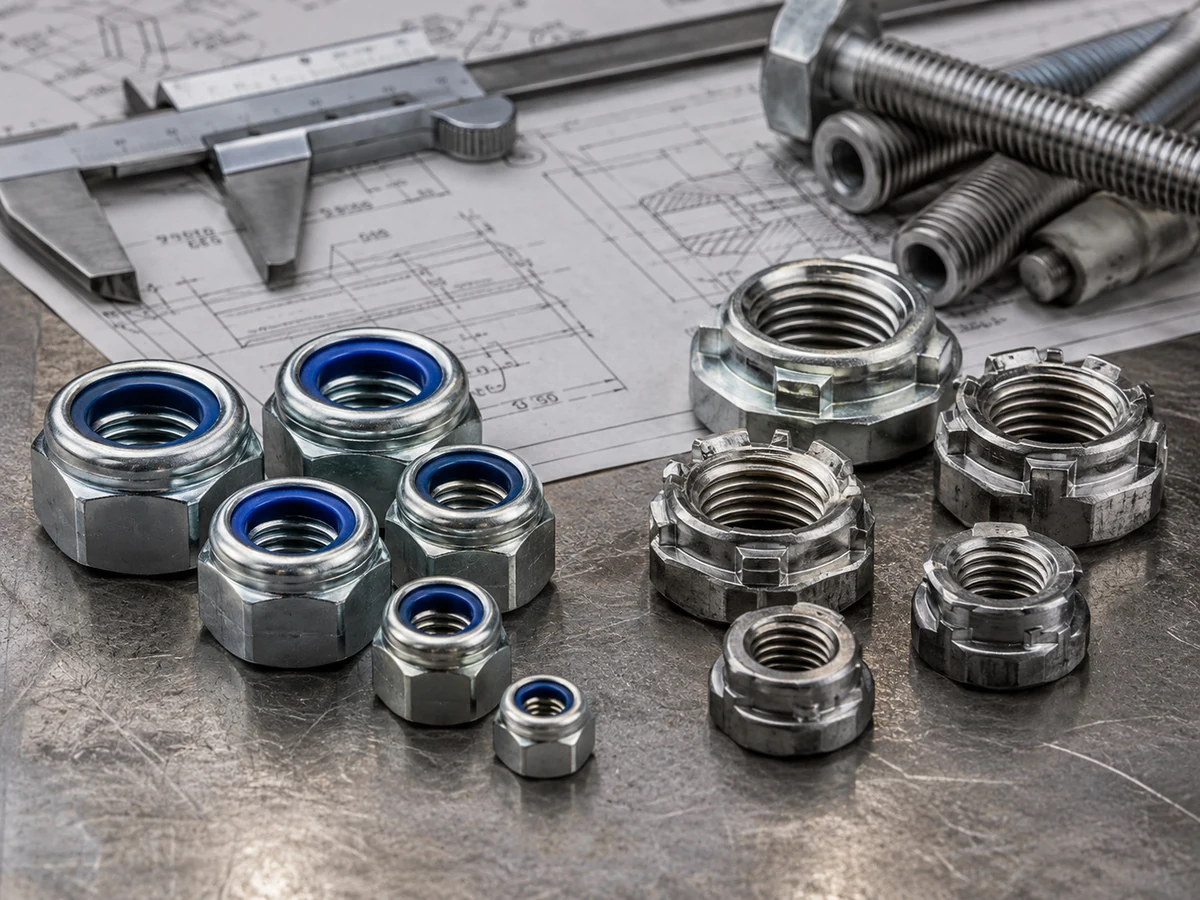
صواميل قفل بإدراج نايلون مقابل صواميل قفل معدنية بالكامل: دليل القرار لدرجة الحرارة والاهتزاز وإعادة الاستخدام
صواميل القفل ذات الإدخال النايلون وصواميل القفل المعدنية بالكامل هما نوعان من صواميل القفل ذات العزم السائد، لكن لا يتم اختيارهما لنفس ظروف التشغيل. يعتمد الاختيار الصحيح على درجة الحرارة المعرضة لها، حالة الاهتزاز، متطلبات إعادة الاستخدام، ملاءمة السن، الطلاء، عزم التركيب، ومعيار العميل.
يساعد هذا الدليل المشترين على مقارنة صواميل القفل ذات الإدخال النايلون والمعدنية بالكامل قبل طلب عرض السعر أو أخذ العينات أو مراجعة الرسم. يجب وضع علامة على بيانات المشروع المفقودة كـ بحاجة إلى تأكيد, ، وليس افتراضها كحقيقة.
يجب مقارنة صواميل القفل ذات الإدخال النايلون والمعدنية بالكامل بناءً على درجة حرارة الوصلة الفعلية، حالة الاهتزاز، قاعدة إعادة الاستخدام، ومتطلبات العزم السائد.
مرئي توضيحي هندسي فقط؛ يعتمد اختيار صامولة القفل النهائي على الرسم، حالة الوصلة، ومتطلبات العميل.
إجابة سريعة: أي صامولة قفل يجب أن يختارها المشترون؟
عادةً ما يتم مراجعة صامولة القفل ذات الإدخال النايلون عندما تكون درجة حرارة التشغيل، والتعرض الكيميائي، وظروف الخدمة، وتوقع إعادة الاستخدام متوافقة مع مادة الإدخال. يُنشئ الإدخال غير المعدني مقاومة ضد السن الملولب المقابل ويساعد في تقليل الارتخاء في الظروف المناسبة.
عادةً ما يتم مراجعة صامولة القفل المعدنية بالكامل عندما يتطلب التطبيق خاصية قفل معدني-معدني، أو مقاومة أعلى لدرجات الحرارة، أو عدم وجود إدخال بوليمري، أو طريقة قفل أقل اعتمادًا على مادة الإدخال. ومع ذلك، فإن المعدني بالكامل لا يعني تلقائيًا أنه مناسب لكل ظروف الاهتزاز أو إعادة الاستخدام.
حالة المشتري
مراجعة صواميل القفل ذات الإدخال النايلون عادةً
مراجعة صواميل القفل المعدنية بالكامل عادةً
يحتاج تأكيد
تطبيق بدرجة حرارة معتدلة
قد تكون مناسبة إذا كانت مادة الإدخال متوافقة
ممكن أيضًا
درجة حرارة الوصلة الفعلية، مدة التعرض ومادة الإدخال
تطبيق بدرجة حرارة عالية
يتطلب تأكيد المادة المُدخلة
غالبًا ما يُراجع أولاً
المادة، الطلاء، التزييت، الصلابة ومعيار العميل
وصلة حساسة للاهتزاز
ممكن مع التحقق
ممكن مع التحقق
تصميم الوصلة، التحميل المسبق، طول المشبك وطريقة الاختبار
إعادة الاستخدام بعد الفك
يعتمد على عزم الربط المتبقي
يعتمد على عزم الربط المتبقي
قاعدة خدمة العملاء، حالة السن وطريقة الفحص
متطلبات القفل المعدني فقط
عادة غير مفضل
عادةً ما يتم مراجعتها
الرسم، معيار العميل أو متطلبات التطبيق
مشروع اعتماد السيارات
مشروط
مشروط
مراجعة الرسم، خطة الفحص ونطاق PPAP إذا لزم الأمر
لا يوجد فائز عالمي
القرار الأكثر أمانًا ليس “النايلون أفضل” أو “المعدن بالكامل أفضل.” القرار الصحيح يعتمد على موقع التجميع، نوع الوصلة، التعرض لدرجة الحرارة، حالة الاهتزاز، حجم السن، تفاوت السن، الطلاء، عزم الربط السائد، عزم الربط أثناء التركيب، قاعدة إعادة الاستخدام، طريقة الفحص ومعيار العميل.
ما هي صواميل القفل ذات الإدخال النايلون؟
تستخدم صواميل القفل ذات الإدخال النايلون إدخالاً غير معدني داخل الصامولة لتوليد عزم دوران سائد. عندما يدخل المسمار المتزاوج في الإدخال، يخلق الإدخال تداخلاً ضد السن اللولبي. تساعد هذه المقاومة في تقليل الارتخاء عند تصميم الوصلة وتجميعها بشكل صحيح.
يعتمد سلوك القفل على أكثر من مجرد اسم الصامولة. يجب على المشترين تأكيد مادة الإدخال، درجة حرارة التشغيل، التعرض الكيميائي، حجم السن اللولبي، درجة الميل، التفاوت المسموح، حالة المسمار المتزاوج، الطلاء، طريقة التثبيت ومتطلبات إعادة الاستخدام.
القيد الرئيسي هو أن الإدخال ليس ميزة قفل معدنية. يمكن أن يتغير سلوك الإدخال مع درجة الحرارة، مدة التعرض، التلامس الكيميائي، التثبيت المتكرر، تلف السن اللولبي وظروف الخدمة. يجب أن يأتي أي حد لدرجة الحرارة من ورقة بيانات المادة، معيار المنتج، رسم العميل أو مواصفات المشروع.
تحذير للمشتري: إذا كان طلب عرض الأسعار يذكر فقط “صامولة قفل نايلون” دون مادة الإدخال، درجة حرارة التشغيل، التعرض الكيميائي، تفاوت السن اللولبي أو متطلبات إعادة الاستخدام، يجب أن يظل المشروع مفتوحًا للتأكيد الفني قبل تقديم عرض السعر أو أخذ العينات.
ما هي صواميل القفل المعدنية بالكامل؟
تخلق صواميل القفل المعدنية بالكامل عزم دوران سائد من خلال ميزات قفل معدني-معدني. بدلاً من استخدام إدخال نايلون، تعتمد على تشوه سن لولبي متحكم فيه، هندسة سن لولبي مشوهة، أقسام قفل بيضاوية، ميزات قفل علوي، ميزات قفل جانبي أو تصميمات قفل معدني هندسية أخرى.
للمشترين الذين يقارنون بين صامولة ذات حشية نايلون و صواميل قفل معدنية بالكامل, ، الفرق الرئيسي هو آلية القفل. صواميل القفل المعدنية بالكامل لا تعتمد على حشية بوليمر، لذلك يتم مراجعتها عادةً عندما تجعل درجة الحرارة أو التعرض الكيميائي أو المتطلبات المعدنية فقط أو ظروف الخدمة القاسية حشية النايلون غير مناسبة.
ومع ذلك، لا تزال صواميل القفل المعدنية بالكامل تتطلب مواصفات دقيقة. يجب على المشتري تأكيد حجم السن، درجة السن، التفاوت المسموح، المادة، الصلابة، المعالجة الحرارية، الطلاء، التزييت، عزم الربط المسبق، عزم التركيب وطريقة الفحص. يمكن للطلاء أو التغطية أن يغير من ملاءمة السن وسلوك العزم، خاصة عندما تعتمد خاصية القفل على التداخل المتحكم به بين المعدن والمعدن.
حد هندسي: تزيل صواميل القفل المعدنية بالكامل مخاوف الإدخال البلاستيكي، لكنها لا تزيل الحاجة إلى التحقق من العزم، التحكم في الطلاء، فحص السن أو موافقة العميل.
مقارنة آلية القفل: إدخال نايلون مقابل معدن بالكامل
تؤثر آلية القفل على سلوك درجة الحرارة، الاستجابة للاهتزاز، توقع إعادة الاستخدام، طريقة الفحص ومتطلبات طلب عرض السعر. يجب على المشترين فهم مبدأ القفل قبل تحديد نوع الصامولة التي تنتمي إلى الرسم أو طلب عرض السعر.
تستخدم صواميل القفل ذات الإدخال النايلون تداخل الإدخال، بينما تعتمد صواميل القفل المعدنية بالكامل على ميزات عزم الربط المسبق بين المعدن والمعدن.
صورة توضيحية فقط؛ يجب أن تتبع هندسة ميزة القفل الرسم المعتمد أو معيار المنتج.
سياق المعايير: قد يتم تعريف صواميل القفل ذات عزم الربط المسبق بمعايير مختلفة اعتمادًا على ما إذا كانت ميزة القفل عبارة عن إدخال غير معدني أو ميزة معدنية بالكامل. يجب على المشترين اتباع أحدث مراجعة للرسم أو معيار يحدده العميل بدلاً من الاختيار حسب اسم الجزء فقط.
عنصر المقارنة
صامولة قفل بإدخال النايلون
صامولة قفل معدنية بالكامل
آلية القفل
تداخل الإدخال البوليمري مع الخيط المقابل
عزم الدوران الثابت معدن-معدن
مكون بوليمري
نعم
لا
الحساسية للحرارة
يعتمد على مادة الإدخال والتعرض
يعتمد على مادة الصامولة، الصلادة، الطلاء، التزييت وتصميم الخيط
مراجعة الاهتزاز
يتطلب التحقق من الوصلة
يتطلب التحقق من الوصلة
سلوك إعادة الاستخدام
يعتمد على حالة الإدخال وعزم الدوران المتبقي
يعتمد على تشوه الخيط والتآكل وعزم الدوران المتبقي
حساسية حالة الخيط
حالة تعشيق الإدخال وخيط التزاوج مهمة
هندسة منطقة القفل وتسامح الخيط مهمان
تأثير الطلاء
قد يؤثر الطلاء على تعشيق الخيوط والتجميع
قد يؤثر الطلاء بشدة على سلوك عزم الربط بين المعدن والمعدن
محور الفحص
حالة الإدخال، ملاءمة الخيط وعزم الربط الثابت
خاصية القفل، شكل الخيط، الطلاء وعزم الربط الثابت
بالنسبة للمشترين الذين يقومون بتوريد صواميل خاصة مخصصة, ، يجب التعامل مع نوع صامولة القفل كقرار وظيفي، وليس مجرد عنصر سعري سلعي.
قرار درجة الحرارة: عندما تغير الحرارة الاختيار
تعتبر درجة الحرارة من أهم الأسباب التي تدفع المشترين للمقارنة بين صواميل القفل ذات الحشوة النايلون وصواميل القفل المعدنية بالكامل.
بالنسبة لصواميل القفل ذات الحشوة النايلون، فإن مادة الحشوة هي الشاغل الأول. قد تتأثر الحشوة البوليمرية بدرجة حرارة التشغيل، دورات الحرارة، مدة التعرض، التلامس الكيميائي أو بيئة التجميع. إذا كانت درجة حرارة الوصلة قريبة من حد مادة الحشوة، أو إذا كانت ظروف الخدمة غير مؤكدة، فلا ينبغي للمشتري الموافقة على الصامولة دون مراجعة صحيفة بيانات المادة أو المواصفة القياسية للعميل أو مواصفات المنتج.
بالنسبة لصواميل القفل المعدنية بالكامل، فإن غياب الحشوة النايلون يزيل القلق المتعلق بدرجة حرارة الحشوة البوليمرية. ولهذا السبب غالبًا ما يتم النظر في صواميل القفل المعدنية بالكامل للمناطق ذات درجات الحرارة العالية، والتجميعات المجاورة للمحرك، والمواقع المجاورة للعادم، والمكونات المتعلقة بالفرامل، والمناطق السفلية، والمعدات الصناعية وغيرها من التطبيقات التي قد لا تكون فيها الحشوة البوليمرية مقبولة.
ومع ذلك، فإن صواميل القفل المعدنية بالكامل ليست خالية من المراجعة المتعلقة بدرجة الحرارة. لا تزال المادة، الصلادة، المعالجة الحرارية، الطلاء، التزييت، تشوه السن اللولبي وسلوك عزم الربط السائد بحاجة إلى تأكيد. قد تؤثر درجة الحرارة المرتفعة على أداء الطلاء أو سلوك التزييت أو الاحتفاظ بحمل الشد المسبق للوصلة حسب التطبيق.
يمكن أن يغير التعرض لدرجة الحرارة الاختيار بين صواميل القفل ذات الحشوة النايلون وصواميل القفل المعدنية بالكامل.
لا يُقصد حد درجة حرارة ثابت؛ يجب أن تأتي حدود درجة الحرارة من صحيفة بيانات المادة أو الرسم أو مواصفات المشروع.
إدخال درجة الحرارة
لماذا يهم
يجب على المشتري التأكيد
درجة حرارة الوصلة الفعلية
تحدد مدى ملاءمة الإدخال والمادة والطلاء
درجة حرارة الوصلة المقاسة أو المحددة، وليس فقط درجة الحرارة المحيطة
درجة الحرارة القصوى
مهم للتعرض قصير المدى أو الارتفاعات الحرارية
أقصى حالة تعرض إذا لزم الأمر
درجة الحرارة المستمرة
مهم لسلوك المادة على المدى الطويل
نطاق درجة حرارة التشغيل العادي من بيانات التطبيق
تردد دورة الحرارة
قد يؤثر على الحشوة والطلاء واسترخاء الوصلة
ظروف الدورة إذا تم تحديدها من قبل العميل
موقع التجميع
تغيرات المخاطر في حجرة المحرك، أسفل الهيكل، بالقرب من العادم أو موقع الهيكل العام
منطقة المركبة أو موقع المعدات
معيار العميل
معايير القبول وحدود المواد الخاصة بعناصر التحكم
أحدث مراجعة للرسم أو متطلبات العميل
يجب عدم تخمين قيم درجات الحرارة
يجب أن يأتي حد درجة الحرارة من ورقة بيانات المواد، معيار المنتج، رسم العميل أو مواصفات المشروع. لا ينبغي اختراعه أثناء عملية التسعير.
قرار الاهتزاز: أي صامولة قفل تقاوم الارتخاء بشكل أفضل؟
تُستخدم كل من الصواميل القفلية ذات الحشوة النايلون والصواميل القفلية المعدنية بالكامل لمقاومة الارتخاء، لكن مقاومة الاهتزاز لا تعتمد على الصامولة وحدها.
الصامولة القفلية هي جزء من نظام الوصلة. يعتمد أداء الاهتزاز على تصميم الوصلة، والتحميل المسبق، وطول المشبك، واشتباك السن اللولبي، ودرجة البرغي المقابل، وحالة السطح، والطلاء، والتزييت، وعزم الربط، والاسترخاء، ودرجة الحرارة، وحمل الخدمة، وطريقة الاختبار المستخدمة لتقييم الارتخاء.
قد تؤدي الصامولة القفلية ذات الحشوة النايلون أداءً جيدًا في بيئة مناسبة عندما تكون مادة الحشوة، وملاءمة السن اللولبي، وظروف التجميع مناسبة. قد تكون الصامولة القفلية المعدنية بالكامل مفضلة عندما يتطلب التطبيق خاصية قفل معدنية فقط، أو قدرة أعلى على تحمل درجات الحرارة، أو مقاومة للظروف التي قد تؤدي إلى تدهور الحشوة البوليمرية.
يجب مراجعة قرارات الاهتزاز وإعادة الاستخدام على مستوى الوصلة، وليس بناءً على نوع الصامولة فقط.
يجب التحقق من أداء الاهتزاز وإعادة الاستخدام تحت ظروف الوصلة الفعلية؛ ولا يُفترض وجود دورة إعادة استخدام عالمية.
عامل الاهتزاز
لماذا يهم
يحتاج تأكيد
نوع الوصلة
تختلف الوصلات في ارتخائها تحت الحمل الديناميكي
وصلة صلبة، وصلة مرنة، حامل، لوحة أو توصيل هيكلي
حمل الربط / التحميل المسبق
التحميل المسبق غير الكافي قد يزيد من خطر الارتخاء
هدف التحميل المسبق إذا تم تحديده
تداخل الخيط
يؤثر على نقل الحمل وسلوك عزم الدوران السائد
طول الخيط المشترك وحالة مسمار التزاوج
حالة السطح
الطلاء والتزييت والاحتكاك تؤثر على سلوك عزم الدوران
قرار إعادة الاستخدام: هل يمكن إعادة استخدام صامولة القفل؟
إعادة الاستخدام هي واحدة من أكثر الأسئلة التي يساء فهمها حول صواميل القفل. تعتمد الإجابة على عزم الدوران المتبقي، حالة السن، حالة الإدخال أو ميزة القفل، حالة الطلاء وقاعدة خدمة العملاء.
قد تفقد صامولة القفل ذات الإدخال النايلون أداء القفل إذا كان الإدخال مهترئًا أو تالفًا أو محموماً أو متأثرًا كيميائيًا أو تم تجميعه بشكل متكرر. يعتمد إمكانية إعادة استخدامها على معيار العميل أو إجراء الخدمة أو فحص عزم الدوران المتبقي بعد الإزالة وإعادة التركيب.
قد تفقد صامولة القفل المعدنية بالكامل أداءها أيضًا بعد الاستخدام المتكرر. قد تتغير ميزة القفل المعدنية بسبب تآكل السن أو التشوه أو تلف الطلاء أو الاحتكاك. المعدن بالكامل لا يعني تلقائيًا إعادة استخدام غير محدودة.
عامل إعادة الاستخدام
صامولة قفل بإدخال النايلون
صامولة قفل معدنية بالكامل
الاهتمام الرئيسي بإعادة الاستخدام
تآكل الإدخال أو تلفه أو تعرضه للحرارة أو فقدان التداخل
تآكل سن القفل أو تغير التشوه أو تلف الطلاء أو الاحتكاك
محور الفحص
عزم الدوران المتبقي وحالة الإدخال وحالة السن
عزم الدوران المتبقي السائد، حالة منطقة القفل وحالة السن
تأثير التعرض للحرارة
قد يؤثر على مادة الإدخال
قد يؤثر على الطلاء أو التزييت أو سلوك الوصلة
خطر تلف السن
ممكن أثناء التجميع المتكرر
ممكن أثناء التجميع المتكرر
قاعدة العميل
قد يسمح أو يمنع إعادة الاستخدام
قد يسمح أو يمنع إعادة الاستخدام
لا تفترض دورات إعادة استخدام
لا تفترض عددًا ثابتًا من دورات إعادة الاستخدام. يجب تأكيد إعادة الاستخدام وفقًا لمعيار العميل أو إجراء الخدمة أو فحص عزم الربط السائد.
عزم القفل، عزم التركيب وحمل التثبيت ليسوا نفس الشيء
غالبًا ما يتم الخلط بين عزم القفل وعزم التركيب أو حمل التثبيت. هذه المفاهيم مرتبطة ولكنها ليست نفس الشيء.
عزم القفل هو العزم المطلوب لتدوير الصامولة بسبب خاصية القفل. اعتمادًا على طريقة الاختبار، قد يتم قياسه قبل التثبيت، أثناء الدوران، بعد الإزالة، أو أثناء تقييم إعادة الاستخدام.
عزم التركيب هو العزم المطبق أثناء التجميع لربط الوصلة. يتأثر باحتكاك السن، احتكاك المحمل، الطلاء، التزييت وخاصية القفل. حمل التثبيت أو الإجهاد المسبق هو القوة المحورية الناتجة في الوصلة بعد الربط.
عزم القفل، عزم التركيب وحمل التثبيت هي مفاهيم مختلفة يجب مراجعتها بشكل منفصل.
الرسم البياني يوضح فصل المفاهيم فقط؛ يجب أن تأتي قيم العزم المقبولة من الرسم، معيار العميل أو طريقة الاختبار.
مصطلح
المعنى
يجب على المشتري التأكيد
عزم الدوران السائد
العزم الناتج عن خاصية القفل
طريقة الاختبار ومعايير القبول
عزم التركيب
عزم الربط المستخدم لتجميع الوصلة
رسم العميل أو معيار التجميع
حمل الربط / التحميل المسبق
القوة المحورية الناتجة في الوصلة
متطلبات تصميم الوصلة والتحقق من صحتها
عزم الفك
عزم الربط اللازم لفك الصامولة
متطلبات الخدمة أو إعادة الاستخدام
عزم الربط المسبق لإعادة الاستخدام
عزم القفل بعد إعادة التركيب
معيار العميل أو طريقة الفحص
قد تكون الصامولة ذات عزم قفل سائد ولكنها غير مناسبة إذا لم يحقق الوصلة حمل التثبيت المطلوب. يجب على المشترين تأكيد متطلبات عزم الربط والوصلة بالكامل بدلاً من تحديد نوع الصامولة فقط.
لا ينبغي أن يقتصر اختيار صامولة القفل على النايلون مقابل المعدني بالكامل. يجب على المشتري أيضًا تأكيد الخامة، الصلادة، المعالجة الحرارية، تفاوت اللولبة، درجة برغي التزاوج وتوافق الطلاء.
بالنسبة لصواميل القفل المعدنية بالكامل، فإن شكل اللولبة وهندسة منطقة القفل أمران حاسمان لأن وظيفة القفل تنشأ من التداخل المعدني-المعدني. إذا تغير سمك الطلاء أو تفاوت اللولبة أو حالة برغي التزاوج، فقد يتغير عزم القفل السائد أيضًا.
بالنسبة لصواميل القفل ذات إدراج النايلون، فإن الإدراج يخلق تأثير القفل، لكن حجم اللولبة، الخطوة، التفاوت، حالة برغي التزاوج والطلاء لا تزال تؤثر على سلوك التجميع. يمكن أن يؤدي ضعف توافق اللولبة إلى قراءات عزم خاطئة، أو تجميع صعب، أو نتائج إعادة استخدام غير متناسقة.
بند فني
لماذا يهم
يجب على المشتري تقديم
حجم السن والخطوة
يحدد توافق البرغي الأساسي للتزاوج
مواصفات كاملة للخيط
تفاوت اللولبة
يؤثر على الملاءمة، عزم الدوران الثابت وفحص المقياس
تفاوت الرسم أو معيار المنتج
مادة الصامولة
يؤثر على القوة، التشكيل وملاءمة درجة الحرارة
درجة المادة إذا تم تحديدها
الصلادة / المعالجة الحرارية
يؤثر على سلوك ميزة القفل والأداء الميكانيكي
نطاق الصلادة أو المعيار إذا كان مطلوبًا
درجة مسمار التزاوج
يؤثر على قوة الوصلة، تفاعل السن اللولبي وسلوك العزم
درجة المسمار وحالة الطلاء
حالة مقياس السن اللولبي
يؤكد صلاحية السن اللولبي بعد الطلاء أو التشكيل
طريقة القياس ومتطلبات الفحص
الطلاء، التغطية وسماحية السن اللولبي
يمكن أن يؤثر الطلاء والتغطية بشكل كبير على أداء الصامولة القابلة للقفل. ينطبق هذا على كل من صواميل القفل ذات الإدخال النايلون وصواميل القفل المعدنية بالكامل.
بالنسبة لصواميل القفل المعدنية بالكامل، تعتمد خاصية القفل على التلامس المعدني-المعدني وتداخل السنون. يمكن أن يؤثر سمك الطلاء، التزييت، الشمع، الطبقة المانعة للتسرب أو تراكم الطلاء على عزم الدوران السائد وملاءمة السنون. يجب تأكيد سماحية السنون بعد الطلاء وطريقة الفحص قبل الإنتاج.
بالنسبة لصواميل القفل ذات الإدخال النايلون، لا يزال الطلاء يمكن أن يؤثر على تعشيق السنون، ملاءمة مسمار التزاوج، مقاومة التآكل وعزم التجميع. إذا تم تركيب الإدخال بعد الطلاء، أو إذا كانت عملية الطلاء تؤثر على درجة حرارة الصامولة أو نظافتها، يجب توضيح تسلسل العملية.
عنصر الطلاء
لماذا يهم
يحتاج تأكيد
نوع الطلاء
يؤثر على الحماية من التآكل وسلوك السنون
الزنك، الزنك-النيكل، الفوسفات، أكسيد أسود أو تشطيب محدد آخر
سماكة الطلاء
قد يؤثر على ملاءمة السنون وعزم الدوران السائد
الرسم أو مواصفات العميل إذا لزم الأمر
تزييت / شمع
يغير الاحتكاك وعزم التجميع
حالة المزلق وطريقة التحقق من عزم الربط
تفاوت الخيط بعد الطلاء
يؤكد صلاحية الخيط الوظيفي بعد الطلاء
متطلبات المقياس بعد الطلاء
متطلبات مقاومة التآكل
قد يتحكم في اختيار الطلاء
متطلبات اختبار التآكل من العميل إذا تم تحديدها
تسلسل تجميع الحلقة
مهم لتخطيط عملية صامولة القفل ذات الحلقة النايلون
ما إذا كانت الحلقة تُجمّع قبل أو بعد التشطيب
طريقة الفحص
يؤكد الامتثال للمقياس والعزم وطلاء السطح
خطة الفحص وحجم العينة ومعايير القبول إذا لزم الأمر
لا تفترض متطلبات رش الملح أو سمك الطلاء أو نظام الطلاء ما لم يتم تحديده في الرسم أو معيار العميل أو طلب عرض الأسعار.
أنماط الفشل الشائعة في الاختيار والتجميع
تنتج العديد من مشاكل صواميل القفل عن بيانات تطبيق غير كاملة، وليس فقط عن نوع صامولة القفل. يجب على المشترين فصل مخاطر تصميم المنتج ومخاطر التجميع ومخاطر التحقق.
المشكلة
السبب المحتمل
فحص المشتري
تفك الصامولة أثناء الاهتزاز
تحميل مسبق غير كافٍ، تصميم وصلة خاطئ، نوع قفل خاطئ أو حالة اختبار غير معتمدة
تصميم الوصلة، عزم التثبيت، التحميل المسبق وطريقة اختبار الاهتزاز
تلف الحشوة النايلون
حرارة زائدة، تعرض لمواد كيميائية غير متوافقة، تلف السن أو تركيب متكرر
مادة الحشوة، درجة حرارة التطبيق وقاعدة إعادة الاستخدام
صعوبة تركيب الصامولة المعدنية بالكامل
خاصية القفل، تفاوت السن، سمك الطلاء أو حالة التزييت
متطلبات عزم الدوران السائد وفحص السن بعد الطلاء
نتائج عزم غير متناسقة
طلاءات مختلطة، تحكم ضعيف في السن، اختلاف في البرغي المقابل أو طريقة اختبار غير واضحة
طلاء الصامولة والمسمار، مقياس السن، طريقة الاختبار والتحكم في الدفعة
انخفاض أداء إعادة الاستخدام
تآكل الإدخال، تآكل سن القفل، تلف الطلاء أو عدم تطابق قواعد الخدمة
عزم الربط المتبقي بعد الفك وإعادة التركيب
نوع خاطئ محدد في طلب عرض السعر
المشتري اختار حسب السعر أو اسم القطعة دون بيانات التطبيق
درجة الحرارة، الاهتزاز، إعادة الاستخدام، موقع التجميع ومعيار العميل
القيمة الهندسية: يجب أن يحدد طلب عرض سعر صامولة القفل حالة الوصلة أولاً. وإلا، فقد يقوم الموردون بعرض سعر للقطعة الصحيحة ظاهريًا بينما يظل متطلب التطبيق دون حل.
قائمة مراجعة قرار تطبيقات السيارات
بالنسبة لمشاريع صواميل القفل في تطبيقات السيارات، يجب على المشترين تأكيد أكثر من مجرد نوع الصامولة. يجب أن يتضمن مراجعة الاختيار المفيدة حالة التجميع الكاملة.
عنصر مراجعة السيارات
لماذا يهم
الحالة المطلوبة
موقع التجميع
تختلف درجة الحرارة والاهتزاز والتآكل والتعرض للخدمة حسب الموقع
يحتاج إلى تأكيد
نوع الوصلة
يحدد اتجاه الحمل وخطر الارتخاء
يحتاج إلى تأكيد
التعرض لدرجة الحرارة
التحكم في ملاءمة الإدخال والمادة
يحتاج إلى تأكيد
متطلبات الاهتزاز أو الإجهاد
يحدد طريقة التحقق
يحتاج إلى تأكيد إذا كان ذلك مناسبًا
حجم السن، درجة الميل، والتسامح
التحكم في سلوك التركيب وعزم الربط
يجب تحديده
درجة مسمار التزاوج والطلاء
يؤثر على تعشيق الخيط والاحتكاك
يحتاج إلى تأكيد
مادة الصامولة والصلادة
يؤثر على القوة وسلوك التشكيل والتثبيت
يجب اتباع الرسم أو المعيار
الطلاء وسماحية الخيوط بعد الطلاء
يؤثر على ملاءمة الخيط والحماية من التآكل
يحتاج إلى تأكيد
عزم التركيب وعزم الثبات
يتحكم في أداء التجميع والقفل
يجب تحديد معايير القبول إذا لزم الأمر
قاعدة إعادة الاستخدام أو الخدمة
يحدد ما إذا كانت إعادة التركيب مسموحة
يحتاج إلى تأكيد
طريقة الفحص
يؤكد الامتثال الوظيفي
يحتاج إلى تأكيد
الكمية السنوية والتغليف
يؤثر على الأدوات، مسار العملية وحماية الجزء
يحتاج إلى تأكيد
نطاق PPAP
مطلوب فقط إذا حدده العميل أو البرنامج
مشروط
إذا لم يتم توفير هذه العناصر، يجب وضع علامة على المشروع بأنه بحاجة إلى تأكيد.
قائمة مراجعة طلب عرض السعر للمشتري قبل أخذ العينات
طلب عرض أسعار ضعيف يقول فقط: “يرجى عرض سعر صامولة قفل M8.” طلب عرض أسعار قوي يشرح آلية القفل، متطلبات السن، بيئة التشغيل والحاجة إلى التحقق.
يجب أن يتضمن طلب عرض أسعار صامولة القفل السن، المادة، درجة الحرارة، الاهتزاز، إعادة الاستخدام، الطلاء، عزم الربط السائد، الفحص ومتطلبات التوثيق.
القائمة مخصصة لإعداد طلب عرض الأسعار فقط؛ وثائق PPAP والتحقق تنطبق فقط عندما يطلبها العميل أو البرنامج.
عنصر طلب عرض السعر
لماذا يهم
يجب على المشتري تقديم
نوع الصامولة
يحدد آلية القفل
نايلون داخلي أو معدني بالكامل
رسم أو معيار
يتحكم في الهندسة وخط الأساس للقبول
أحدث مراجعة للرسم
الخيط
التحكم في سلوك التركيب وعزم الربط
الحجم، الخطوة والتفاوت
المادة والصلادة
يؤثر على القوة وطريقة التصنيع
درجة المادة والصلابة إذا تم تحديدها
درجة الحرارة
التحكم في ملاءمة الإدخال والمادة
درجة حرارة الوصلة الفعلية
الاهتزاز
يحدد خطر الارتخاء
طريقة الاختبار إذا لزم الأمر
إعادة الاستخدام
التحكم في قرار الخدمة
إعادة الاستخدام مسموح أو محظور أو بناءً على الفحص
طلاء
يؤثر على سلوك التآكل والسن اللولبي
نوع الطلاء ومتطلبات الفحص
عزم الدوران السائد
يحدد أداء القفل
معايير القبول إذا لزم الأمر
عزم التركيب
يحدد حالة التجميع
عزم التجميع إذا تم تحديده بواسطة الرسم أو المعيار
المستندات
التحكم في تقديم السيارات
PPAP فقط إذا لزم الأمر
الكمية والتعبئة
يؤثر على العملية وعرض السعر
كمية العينة، الحجم السنوي وطريقة التعبئة
للمشاريع الخاضعة للرسومات، يمكن للمشترين مراجعة إرشادات SUNHYINGS حول صواميل خاصة مصنوعة حسب الرسم لفهم سبب ضرورة توضيح مراجعة الرسم والملاحظات الفنية قبل عرض السعر.
كيف تراجع SUNHYINGS طلبات عروض أسعار صواميل القفل
يمكن لـ SUNHYINGS مراجعة طلبات عروض أسعار الصواميل القفل من منظور اكتمال الرسم، وقابلية التصنيع، ومخاطر التسعير. تساعد المراجعة المشترين على تحديد المعلومات المفقودة قبل أخذ العينات.
بالنسبة للصواميل القفل المعدنية بالكامل، يمكن لـ SUNHYINGS مراجعة الرسم، وبيانات الخيط، وميزة القفل، والمادة، والصلابة، والمعالجة الحرارية، والطلاء، ومتطلبات عزم الربط السائد، ونطاق الفحص. يمكن للمشترين أيضًا الرجوع إلى SUNHYINGS صواميل قفل معدنية بالكامل صفحة لسياق فئة المنتج.
بالنسبة لصواميل القفل ذات الحشوة النايلون، يجب تأكيد مادة الحشوة، درجة حرارة التعرض، البيئة الكيميائية ومتطلبات إعادة الاستخدام من خلال الرسم، المعيار، ورقة البيانات أو مواصفات العميل. لا ينبغي لـ SUNHYINGS افتراض حد درجة حرارة عالمي للحشوة أو قاعدة إعادة استخدام عالمية بدون بيانات المشروع.
يمكن لـ SUNHYINGS مراجعة ما إذا كان رسم الصامولة القابلة للقفل، وبيانات الخيط، والمادة، والصلابة، والطلاء، ومتطلبات عزم الربط المسبق كافية لتقديم عرض السعر، ولكن يجب التحقق من أداء الوصلة النهائي تحت ظروف التجميع الفعلية للمشتري.
باعتبارها مصنع الصواميل المخصصة و مصنع مسامير مخصصة, يمكن لـ SUNHYINGS المساعدة في مراجعة ما إذا كان طلب عرض السعر للصامولة القابلة للقفل يتضمن معلومات تقنية كافية لتقديم عرض السعر وإعداد العينة. بالنسبة لمشاريع السيارات، قد يقوم المشترون أيضًا بمراجعة SUNHYINGS كمورد. مورد صواميل خاصة لتطبيقات السيارات.
حدود المراجعة: لا يزال التحقق النهائي من الوصلة يعتمد على ظروف التجميع للمشتري، والبرغي المقترن، والطلاء، وعزم الربط، والحمل المسبق، وبيئة الاهتزاز، والتعرض لدرجة الحرارة، ومعيار العميل.
إدراج النايلون مقابل الصواميل القابلة للقفل المعدنية بالكامل: مصفوفة القرار الموجزة
حالة المشتري
عادةً مراجعة إدخال نايلون
عادةً مراجعة معدني بالكامل
يحتاج تأكيد
درجة حرارة معتدلة
نعم، إذا كانت مادة الإدخال متوافقة
ممكن
درجة حرارة الوصلة الفعلية
درجة حرارة عالية
يتطلب تأكيد من ورقة بيانات الإدخال
غالبًا ما يُراجع أولاً
المادة، الطلاء والمعيار
اهتزاز قوي
ممكن مع التحقق
ممكن مع التحقق
تصميم الوصلة وطريقة الاختبار
إعادة استخدام متكررة
يتطلب فحص عزم الدوران الثابت
يتطلب فحص عزم الدوران الثابت
قاعدة الخدمة
متطلبات معدنية فقط
غير مناسب عادةً
عادةً ما يتم مراجعتها
رسم أو معيار العميل
التعرض للمواد الكيميائية
يتطلب مراجعة توافق الإدراج
يتطلب مراجعة المواد والطلاء
وسط التعرض والمدة
متطلبات مقاومة التآكل
يعتمد على الطلاء
يعتمد على الطلاء
متطلبات الطلاء والفحص
اعتماد السيارات
مشروط
مشروط
متطلبات برنامج العميل
أكثر قرارات المشتري أمانًا هو تحديد التطبيق أولاً، ثم اختيار نوع صامولة القفل. إذا كانت حالة التجميع غير واضحة، فلا ينبغي لطلب عرض الأسعار فرض نوع صامولة القفل دون مراجعة هندسية.
المراجع الفنية الخارجية
المراجع الخارجية التالية مقدمة للسياق الفني فقط. يجب على المشترين دائمًا اتباع أحدث رسم للعميل أو مواصفات المشروع أو المعيار المحدد من العميل للموافقة الفعلية على القطعة.
ما الفرق الرئيسي بين صواميل القفل ذات الإدخال النايلون وصواميل القفل المعدنية بالكامل؟
الفرق الرئيسي هو آلية القفل. صواميل القفل ذات الحشوة النايلون تستخدم حشوة غير معدنية لتوليد عزم دوران ثابت، بينما صواميل القفل المعدنية بالكامل تستخدم ميزات قفل معدني-معدني مثل تشوه الخيط المتحكم فيه أو هندسة الخيط المشوهة.
أي صامولة قفل أفضل لدرجات الحرارة العالية؟
غالبًا ما تُراجع الصواميل القفلية المعدنية بالكامل أولاً عندما لا يكون الإدخال البوليمري مقبولاً بسبب درجة الحرارة. ومع ذلك، لا يزال الاختيار النهائي يعتمد على درجة حرارة الوصلة الفعلية، والمادة، والطلاء، والصلابة، وحالة السن اللولبي، ومعيار العميل.
أي صامولة قفل أفضل للاهتزاز؟
لا يوجد نوع أفضل عالميًا لمقاومة الاهتزاز. تعتمد مقاومة الاهتزاز على تصميم الوصلة، والتحميل المسبق، وملاءمة السن، والطلاء، والتزييت، ودرجة الحرارة، وعزم الربط، وطريقة الاختبار.
هل يمكن إعادة استخدام صواميل القفل ذات الحشوة النايلون؟
قد تكون قابلة لإعادة الاستخدام أو لا حسب حالة المدخل، حالة السن، التعرض للحرارة وعزم الدوران المتبقي. يجب أن يتبع القرار معيار العميل أو قاعدة الخدمة أو طريقة الفحص.
هل يمكن إعادة استخدام صواميل القفل المعدنية بالكامل؟
قد تفقد الصواميل القفلية المعدنية بالكامل عزم الربط المسبق بعد الاستخدام المتكرر بسبب تآكل السنون أو تغير التشوه أو تلف الطلاء أو الاحتكاك. يجب أن تعتمد إعادة الاستخدام على متطلبات العميل أو إجراءات الخدمة أو فحص عزم الربط المسبق.
هل عزم الربط السائد هو نفس عزم التركيب؟
لا، عزم الدوران السائد ناتج عن ميزة القفل. عزم التثبيت هو العزم المستخدم لتجميع الوصلة. حمل المشبك هو القوة المحورية المتولدة في الوصلة.
هل يؤثر الطلاء على أداء صامولة القفل؟
نعم. يمكن أن يؤثر الطلاء، الطلاء الكهربائي، التشحيم، وسماحية الخيط بعد الطلاء الكهربائي على توافق الخيط، عزم الدوران السائد، وعزم التركيب.
هل يمكن للمشترين استبدال صامولة قفل ذات إدخال نايلون بصامولة قفل معدنية بالكامل مباشرة؟
رقم. لا ينبغي إجراء استبدال مباشر بناءً على اسم القطعة فقط. يجب على المشترين تأكيد حجم السن، درجة الميل، التفاوت المسموح، المادة، الصلادة، الطلاء، حالة البرغي المقابل، عزم الربط، عزم الربط السائد، درجة حرارة التعرض، حالة الاهتزاز، قاعدة إعادة الاستخدام وموافقة العميل قبل التغيير من صامولة قفل بإدخال نايلون إلى صامولة قفل معدنية بالكامل.
ما هي المعلومات التي يجب على المشترين إرسالها قبل طلب عرض سعر لصامولة القفل؟
يجب على المشترين إرسال أحدث مراجعة للرسم، نوع الصامولة، حجم السن، درجة الميل، التفاوت المسموح، المادة، الصلادة، الطلاء، درجة حرارة الوصلة الفعلية، متطلبات الاهتزاز، قاعدة إعادة الاستخدام، متطلبات عزم الدوران السائد، عزم التركيب إذا محدد، طريقة الفحص، نطاق الوثائق، الحجم السنوي ومتطلبات التغليف.
تم إعداد هذه المقالة لمديري التوريد، وفرق ضمان الجودة للموردين، ومهندسي التصميم، ومهندسي المشتريات، وفرق مشاريع السيارات لمقارنة صواميل القفل ذات الإدخال النايلون والصواميل القفل المعدنية بالكامل قبل طلب عرض الأسعار، أو أخذ العينات، أو مراجعة الرسم.
نطاق المراجعة: آلية القفل، التعرض لدرجة الحرارة، حالة الاهتزاز، قاعدة إعادة الاستخدام، عزم الدوران السائد، عزم التثبيت، حمل التثبيت، المادة، الصلادة، تفاوت اللولبة، الطلاء، الفحص واكتمال بيانات طلب عرض الأسعار.
ملاحظة المعايير والقيود: هذه المقالة عبارة عن قائمة مرجعية عملية للتوريد والهندسة. لا تحل محل رسم العميل، أو معيار المنتج، أو ورقة بيانات المواد، أو التحقق المؤهل للمفصل، أو تقديم PPAP الرسمي، أو المتطلبات الخاصة بالعميل. يجب التعامل مع البيانات المفقودة لدرجة الحرارة أو الاهتزاز أو إعادة الاستخدام أو عزم الدوران أو الطلاء أو الفحص على أنها بحاجة إلى تأكيد، وليس افتراضها كحقيقة.